
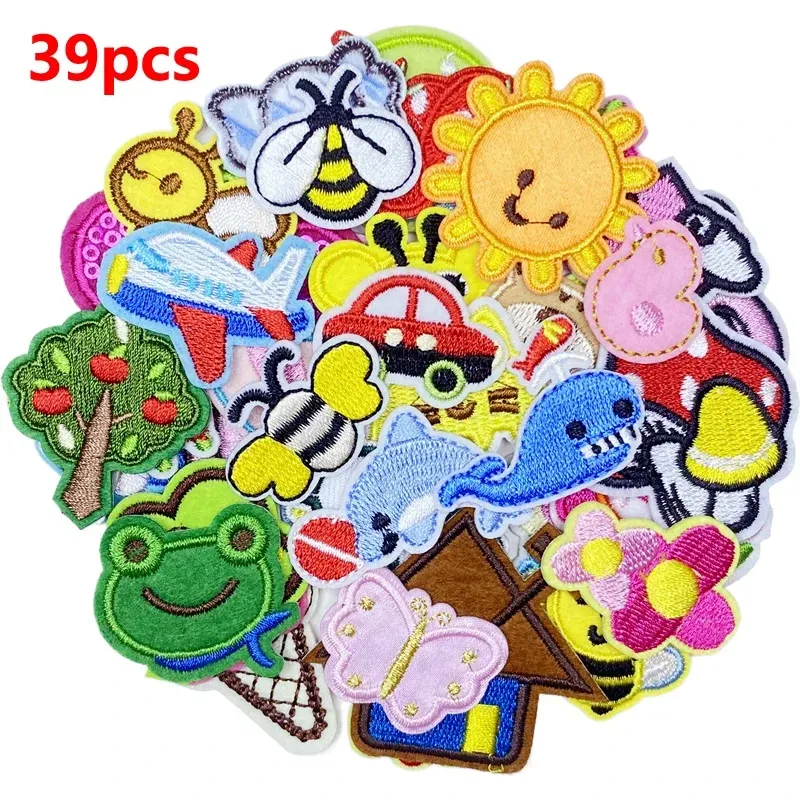
Patches for Kids’ Clothes offer a fun, practical way to refresh favorite outfits while teaching young makers that care and creativity can coexist. From iron-on patches to sew-on patches, these options let families tailor looks quickly or sew for lasting durability. DIY clothing patches invite kids to pick colors, shapes, and characters, turning repairs into creative projects that feel like personalization rather than chores, and these kid-friendly patches can cover wear. Choosing safe, non-toxic designs and age-appropriate sizes helps little ones participate confidently, with patches staying secure through washing and wear. Whether you’re patching a knee on jeans or adding flair to a backpack, patches for kids clothes extend garments’ life and celebrate personal style.
Beyond patches, there are fabric embellishments and clothing appliques that refresh kids’ wardrobes without compromising comfort. These repair accents, sometimes called garment decorations or fabric embellishments, provide a durable alternative that supports budding designers. Using kid-friendly design ideas and simple stitching basics, families can transform worn items into personalized pieces. This approach blends creativity with practicality, promotes sustainable fashion, and keeps safety at the forefront.
Frequently Asked Questions
What are Patches for Kids’ Clothes and why should I use them?
Patches for Kids’ Clothes are fabric patches used to repair, reinforce, and personalize children’s garments. They can cover stains or holes, strengthen worn knees, and let kids participate in design, making outfits fun and more long-lasting. They support kid-friendly patches and DIY clothing patches as approachable, everyday mending.
Iron-on patches vs sew-on patches: which is better for Patches for Kids’ Clothes?
Iron-on patches attach with heat for a quick fix and are ideal on cotton, denim, and similar fabrics, making them great for busy mornings. Sew-on patches require stitching and tend to be more durable through frequent washing, offering a robust option for patches for kids’ clothes.
How do I apply patches for kids’ clothes at home?
Iron-on patches: test the fabric, position the patch, cover with a cloth, and press with a hot iron for 15–20 seconds, then let it cool; optional extra stitches around the edge add security. Sew-on patches: place the patch, pin it, and stitch around the edge with a blanket stitch or zigzag for durability. Always follow patch instructions and use a pressing cloth.
What should I look for when buying patches for kids’ clothes?
Choose patches that are non-toxic and kid-safe, with smooth edges and secure embroidery. Look for durable materials, appropriate sizes for the garment, and kid-friendly designs that reflect a child’s interests to boost wearability of patches for kids’ clothes.
How should I care for patches for kids’ clothes?
Turn garments inside out before washing, use a gentle cycle with cold or warm water, and avoid hot water that can weaken adhesives. For iron-on patches, air dry or use low heat; for sew-on patches, avoid aggressive tumble drying and re-seal or re-stitch if edges start to peel.
Can patches for kids’ clothes be a learning activity?
Yes. DIY clothing patches invite kids to choose designs, practice basic sewing, and learn about upcycling—turning worn garments into memory pieces and teaching durability and care, while using kid-friendly patches.
| Topic | Key Points |
|---|---|
| Purpose and benefits | Breathes new life into garments, extends garment life, covers stains or rips, and empowers kids to express their personalities. |
| Safety and inclusivity | Uses non-toxic materials and dyes; avoids small detachable parts; selects age-appropriate designs and sizes; considers skin safety. |
| Versatility across ages and styles | Works for school uniforms, weekends, sports, and creative costumes; supports iron-on or sew-on methods; combinations are common. |
| Basics: iron-on vs. sew-on | Iron-on patches use heat-activated adhesive; sew-on patches require stitching and are often more durable; suitable fabrics and care instructions matter. |
| Choosing patches | Prioritize durability, safe designs, and kid appeal; choose smooth-edged patches for younger children; bolder designs for older kids; ensure secure embroidery or attachment. |
| DIY patches | Encourage kids to participate by repurposing fabric scraps, drawing designs, and learning about materials and care. |
| Applying patches: iron-on (steps) | Prepare fabric; position patch; cover with cloth; press with a hot iron for 15–20 seconds; cool completely; optional reinforcement with stitches. |
| Applying patches: sew-on (steps) | Pin patch; stitch around edges with a matching or decorative thread; finish by knotting and trimming; may add extra stitches for durability. |
| Care and washing | Turn garments inside out; use gentle cycles with cold/warm water; avoid high heat on iron-ons; sew-ons tolerate regular washing but avoid aggressive tumble drying; re-seal or re-stitch as needed. |
| Safety considerations | Choose reputable brands with clear safety standards; avoid patches with tiny detachable parts; supervise children during DIY to prevent injuries. |
| Creative ideas and learning | Create themed outfits, collages from multiple patches, memory pieces from scraps, school/team patches, and patch-based storytelling; involve kids in decisions to reinforce skills. |
| Ongoing learning | Patches foster practical skills, discussion of durable fabrics and care, and environmental awareness through upcycling, helping kids value handmade items. |
Summary
Patches for Kids’ Clothes provide a versatile, joyful approach to wardrobe management, blending creativity with practicality and sustainability. They offer a balance of quick fixes and lasting customization, empowering kids to take pride in their clothing while learning care and repair. Iron-on patches deliver speedy updates suitable for busy mornings, while sew-on patches offer durability for items that go through frequent washing and active play. DIY patches invite hands-on learning, repurposing fabric scraps into meaningful designs and teaching important skills about materials, care, and upcycling. By choosing age-appropriate designs, prioritizing safety, and embracing kid-friendly patches, families can build a wardrobe that grows with their child rather than outgrows it, turning ordinary outfits into personalized keepsakes that celebrate creativity, care, and personal style.