
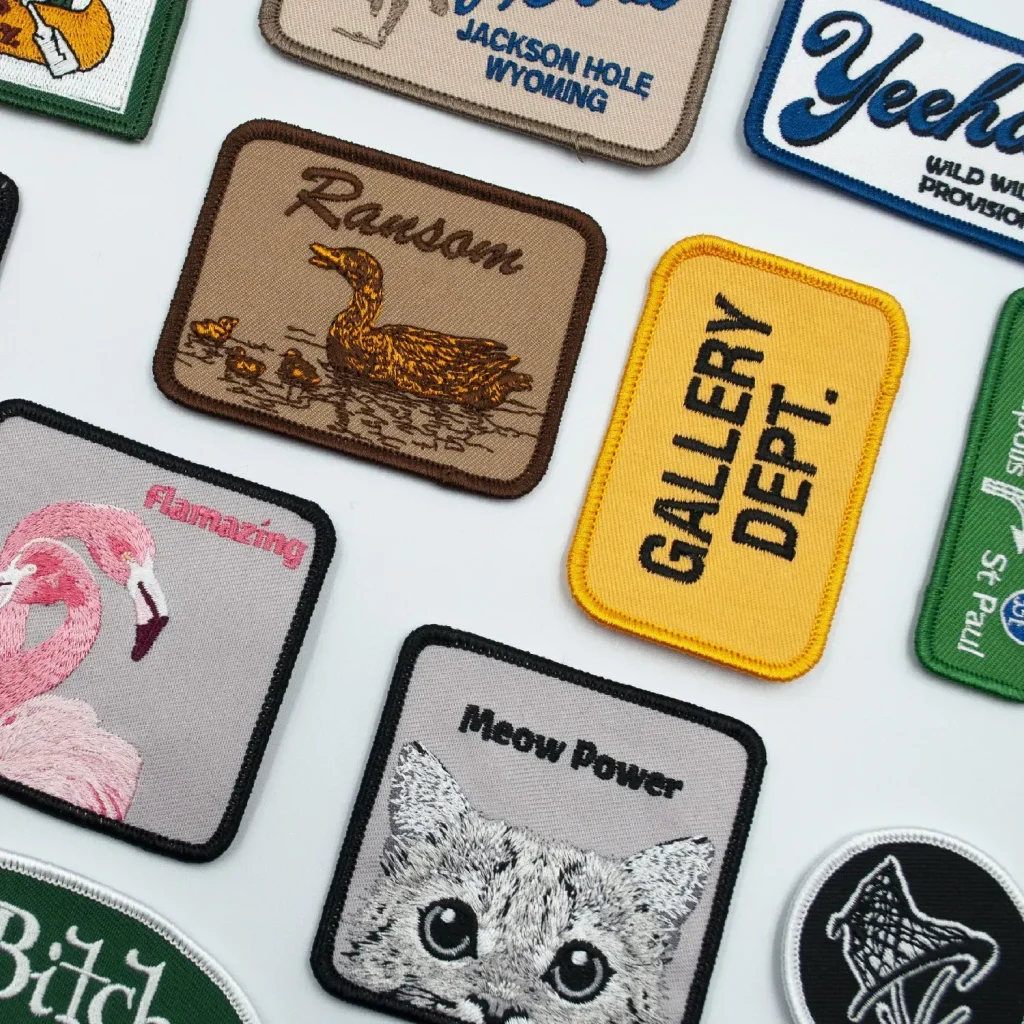
Embroidered patches are a colorful language that lets you tell personal stories through fabric and texture, turning simple garments into canvases of memory. They turn ordinary items into one-of-a-kind pieces, helping you upcycle jeans with patches and make lasting memories, while offering a practical way to mend wear. In this guide, you’ll discover embroidery patches ideas and DIY patches for denim to extend garment life and refresh gear, with real-world checklists and project suggestions. Whether you’re reviving a favorite pair of jeans or personalizing a backpack, patches for backpacks provide creative, durable options that survive daily use and travel. This approach blends craft, style, and sustainability, inviting you to build a cohesive look that travels with you across seasons and lets your personality shine.
Seen from a textile art perspective, these embellishments function as decorative emblems, sew-on motifs, and cloth appliques that personalize bags, jackets, and denim. They also serve as a practical way to repair wear, refresh color stories, and build a coordinated look across gear. By mixing stitches, thoughtful placement, and different backing options, you create a cohesive narrative rather than scattered trims. Think of them as wearable badges and fabric patches that convey your interests, travels, and daily rituals.
Embroidered Patches: Personal Storytelling on Denim and Backpacks
Embroidered patches transform everyday fabrics into wearable narratives. By selecting patches that reflect memories, trips, and personal interests, you turn jeans and backpacks into canvases that tell your story without saying a word. This approach blends artful stitching with practical upcycling, giving new life to items you already own and reducing waste in the process.
As you start, think of patches as chapters in a visual diary. Consider placement, color, and size to create a cohesive sequence that feels intentional. With a little planning, you can mix large statement patches with smaller details to build a narrative that travels with you from season to season, all while embracing sustainable fashion and the joy of self-expression.
Upcycle Jeans with Patches: Practical DIY Patches for Denim
Upcycling jeans with patches is a satisfying way to extend the life of your favorite denim. Start by evaluating areas with wear, then choose patches that reinforce both function and style. A well-placed patch can stabilize fabric while adding a bold focal point, turning frayed knees into a feature rather than a flaw.
This approach thrives on DIY patches for denim: pick a color palette that complements the denim wash, layer patches for texture, and balance placement across the legs. Whether you prefer a subtle enhancement near a pocket or a dramatic collage across an entire leg, denim repair can become a creative ritual that keeps garments relevant and unique.
Designing a Patch Collection: Color, Theme, and Cohesion Across Jeans and Backpacks
Designing a patch collection starts with a clear color story and a unifying theme. A cohesive set can seamlessly bridge items like jeans and backpacks, creating a recognizable signature across your wardrobe and gear. Begin with 2–3 central patches that define the theme, then add 4–6 supporting patches that echo motifs and hues.
Color theory helps you build harmony: pair analogous tones for subtle cohesion or contrasting colors for bold impact. Consider how textures—embroidery, velvet, or metallic accents—will coexist across denim and bag fabric. By drawing on embroidery patches ideas to shape the collection, you’ll craft a durable, versatile kit that remains fresh as tastes evolve.
Patches for Backpacks: Crafting a Bold, Travel-Ready Look
Backpacks become portable canvases when you add patches for backpacks. A well-curated mix can brighten a bag used for daily commutes or travel, helping it stand out in crowded spaces while reflecting personal style. Focus areas like front panels, flap pockets, and strap edges provide opportunities for visual interest without hindering function.
Begin with a focal patch anchored by supporting pieces in complementary tones. When selecting patches, draw colors from hardware accents like zippers and buckles to create a cohesive feel. Experiment with textures—velvet, denim, canvas, or metallic embroidery—to add depth, and consider durability by choosing patches with sturdy backing and secure stitching for everyday wear.
Techniques and Tools: Applying Patches with Iron-On, Sew-On, and Hybrid Methods
A strong patch installation combines practical techniques with creative intent. Iron-on patches offer quick results, but long-term durability often benefits from a sew-on edge. A hybrid approach—positioning with heat and then securing edges with stitches—gives you the best of both worlds for both jeans and backpacks.
Stock up on essential tools: sharp needles, fabric chalk, small scissors, and a thimble. Plan your layout with temporary baste stitches to test placement before final sewing, especially when layering patches. For those exploring DIY patches for denim, pair a secure back-stitch around each patch with a light topstitch to reinforce edges and maintain a clean finish.
Care, Maintenance, and Longevity: Keeping Patched Garments Fresh
To preserve embroidered patches, wash patched items inside out on a gentle cycle with similar fabrics and colors. Avoid high-heat drying, and air-dry when possible to minimize stress on patch edges. If a patch begins to peel, re-sew the edges or replace its backing to restore adhesion and extend life.
Backpacks also benefit from mindful care: spot-clean when feasible and limit frequent machine washing to reduce wear on patches. Regular inspections of stitching and patch backing help prevent unexpected loosening. By combining mindful care with smart patch choices, you can maintain a cohesive, durable look across your denim and bags for seasons to come.
Frequently Asked Questions
How can embroidered patches help upcycle jeans with patches into stylish, sustainable wardrobe staples?
Embroidered patches transform worn jeans into expressive pieces by adding color, texture, and coverage. To upcycle jeans with patches, choose a small to mid-sized set that complements the denim wash, decide between iron-on and sew-on methods, and layer a focal patch with supporting accents for balance. For longevity, sew around the edges or use a hybrid technique and follow gentle washing to keep colors vibrant.
What embroidery patches ideas work best to create a cohesive look across denim and backpacks?
Start with embroidery patches ideas that reflect your story—travel, music, or nature—and select a color palette that works on both denim and backpacks. Use 2–3 main patches as anchors and add 4–6 coordinating accents to tie items together, creating a cohesive collection that travels with you.
What are the essential steps for DIY patches for denim to apply on jeans securely?
Plan your layout first, then choose your method (iron-on, sew-on, or a hybrid). Position patches on clean fabric and pre-press if using iron-on. Secure edges with stitching for durability, and consider basting patches before final sewing to refine placement.
How do patches for backpacks fit into a coordinated design when using embroidered patches on both backpacks and jeans?
Treat backpacks as a wearable canvas by selecting patches that echo the color story and motifs used on jeans. Begin with a focal patch on the bag, add complementary patches along panels or straps, and ensure the edges are securely finished for durability in daily use.
How can design principles from embroidery patches ideas guide placement and color on jeans and backpacks?
Use design principles like balance, contrast, and a clear color story from embroidery patches ideas. Start with 2–3 anchor patches, then sprinkle 4–6 supporting patches to create a woven look across items, choosing colors that harmonize with the base fabrics and hardware.
What care and maintenance tips keep embroidered patches looking fresh on jeans and backpacks?
Wash items inside out on a gentle cycle with similar fabrics and colors; avoid high heat and air-dry when possible. If a patch peels, resew the edges or add backing. For backpacks, spot-clean when possible to reduce wear and preserve patch vibrancy.
| Aspect | Key Points | Practical Tips |
|---|---|---|
| What are embroidered patches and why they matter | Patches are wearable art that combine practicality with storytelling; they enable upcycling and personalization of jeans and backpacks; they reflect tastes, memories, and aspirations. | Choose a cohesive theme, plan a color palette, and balance patches across items for a unified look. |
| Jeans ideas | Repair and personalize denim; select colors that suit the denim wash; place patches around wear areas and consider layering with larger and smaller patches; choose iron-on or sew-on methods and follow washing guidance. | Identify wear zones, start with a base patch, ensure durability, and balance patches across legs; layer patches thoughtfully and wash with similar colors. |
| Backpack ideas | Transform backpacks into personal canvases; use a focal patch and coordinate with the bag’s colorway; explore different textures and depth; consider themed patch sets. | Anchor a focal patch, echo bag hardware colors, choose durable edges, and consider textures; finish with a sealant if needed. |
| Techniques and tools | Iron-on, sew-on, or a hybrid approach using fusible backing plus stitching; basic stitches help secure edges; common tools include a sharp needle, scissors, fabric chalk, and a thimble. | Protect fabric with a cloth, test heat settings, baste patches before final stitching, and keep a sharp needle and matching thread handy. |
| Designing a patch collection | Build around a central theme or color story; start with 2-3 main patches and add 4-6 supporting patches; use color theory (complementary or analogous) and vary textures for interest. | Plan patches to work across jeans and backpacks; coordinate with base fabric color and hardware to keep a cohesive look. |
| Care and maintenance | Wash items inside out on a gentle cycle; air-dry when possible; re-sew edges or add a new backing if peeling occurs; spot-clean backpacks to reduce wear. | Match washing methods to fabrics; test adhesives on a small area; handle patches gently to preserve adhesion and appearance. |
| Practical ideas and examples | Start small—two to three patches on jeans or a few on a backpack; rotate patches over time to create a living collection. | Evaluate interaction with denim fading, plan future additions, and document arrangements to refine your patch kit. |
Summary
Embroidered patches offer a versatile path to upcycling jeans, enriching backpacks, and expressing personal style. In this descriptive overview, patches become more than decorative details: they tell stories, reflect memories, and invite sustainable fashion across your wardrobe. By selecting thoughtful patches, applying them with durable methods, and coordinating color and motif themes across items, you can craft looks that feel intentional, inspired, and uniquely you. Whether you’re repairing wear, building a capsule patch collection, or simply adding small touches of personality, embroidered patches extend the life of garments and travel with you as a signature craft that turns everyday pieces into keepsakes.