
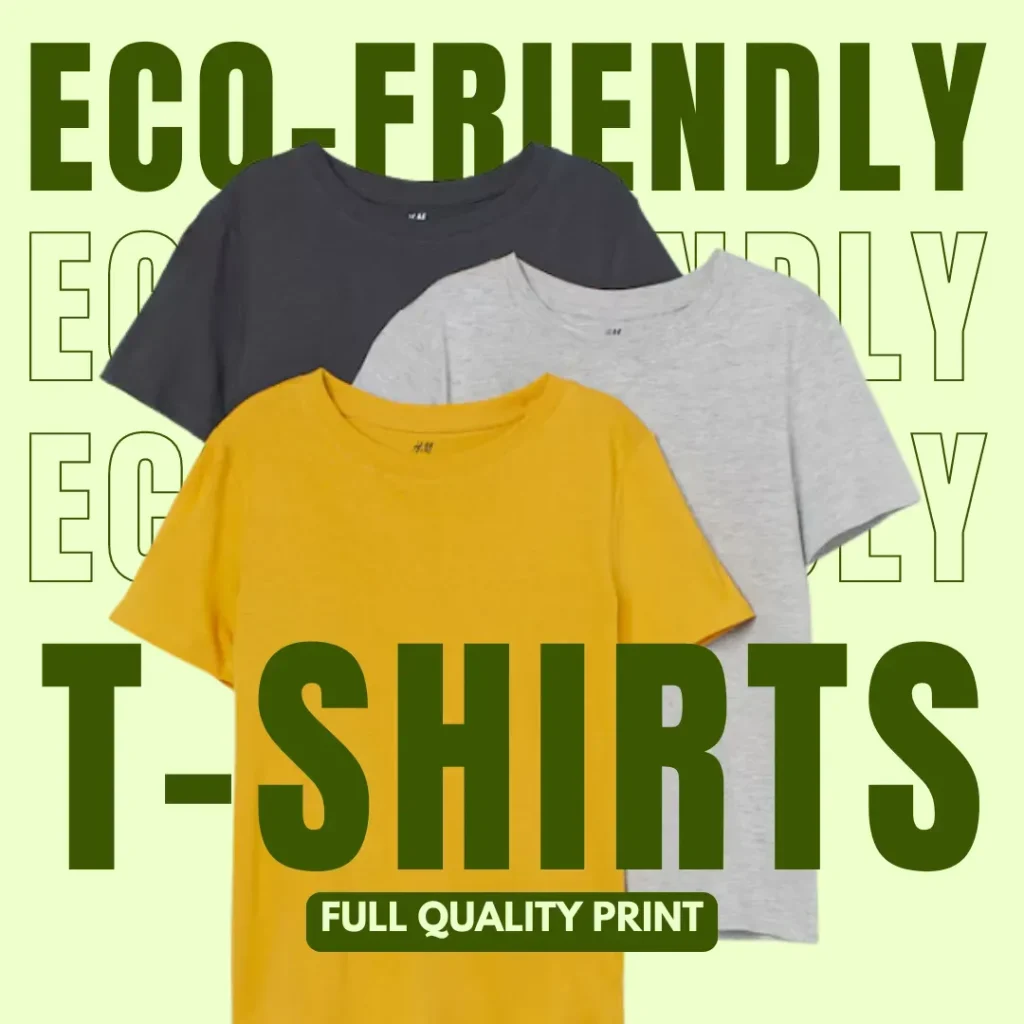
Sustainable Custom Shirts are redefining fashion as a commitment to style with responsibility. By prioritizing eco-friendly fabrics and thoughtful sourcing, these shirts pair durability with a lighter footprint. Ethical sourcing guides every step from fiber to finish, ensuring fair labor and transparent supply chains. Printing and materials choices lean on water-based inks and low-impact dyes, while recycled materials provide additional sustainability. The result is versatile apparel that looks great, lasts longer, and carries a clear environmental promise.
Viewed through an alternative lens, this approach to shirtmaking centers on conscious textiles and accountable manufacturing. The focus shifts to green apparel practices, traceable supply chains, and long-lasting garments crafted from responsible fibers. Brands emphasize recycled content, transparent reporting, and ethical production to connect with shoppers who value integrity as much as style. In this way, sustainable custom shirts become a credible, values-driven choice for modern wardrobes.
Sustainable Custom Shirts: Foundations in Eco-friendly Fabrics
Sustainable Custom Shirts begin with a foundation of eco-friendly fabrics that minimize water use, energy consumption, and chemical exposure while maximizing comfort and durability. Options such as organic cotton, hemp blends, bamboo viscose, and TENCEL Lyocell produced in closed-loop systems offer strong performance with lower environmental footprints, and incorporating recycled materials—like post-consumer recycled polyester or recycled cotton fibers—can further reduce virgin resource demand while maintaining a soft hand.
Selecting fabrics should align with the shirt’s intended use and audience, balancing feel, weight, breathability, and care. For brands aiming to minimize impact, a blended approach—recycled materials for durability and natural fibers for softness—often delivers the best balance. When paired with strategies such as low-impact dyes and water-based inks in later steps, the overall lifecycle impact of Sustainable Custom Shirts can be further reduced.
Printing with Water-Based Inks and Low-Impact Dye Strategies
Printing decisions are a major lever for sustainability. Water-based inks reduce volatile organic compounds (VOCs) and typically offer a softer hand feel than solvent-based alternatives, while also improving worker safety in the production environment.
When evaluating print partners, consider ink composition, curing temperatures, and waste management practices. Look for printers who prioritize low-impact chemistries, water filtration, and air handling, and who explore plant-based or soy-based inks as complementary eco-friendly options. Some brands also experiment with low-impact dyes in the dyeing stage to minimize effluent and support a cohesive sustainable approach.
Ethical Sourcing and Transparent Supply Chains for Credible Apparel
Ethical sourcing sits at the core of credible apparel. This means selecting suppliers who treat workers fairly, pay fair wages, and maintain safe working conditions, while also applying environmental stewardship across the supply chain. Certifications such as Global Organic Textile Standard (GOTS), OEKO-TEX Standard 100, Bluesign, and Fair Trade help buyers identify suppliers who meet rigorous social and environmental criteria.
Transparency goes beyond logos and certificates. Sharing supplier social audits and environmental data, along with a clearly defined supplier code of conduct and traceability of raw materials, builds trust with customers and reduces risk for brands. Ethical sourcing is an ongoing journey of improvement that strengthens brand integrity and customer loyalty.
Recycled Materials and Circular Design in Enduring Garments
Recycled materials play a vital role in reducing the environmental footprint of apparel. Recycled polyester, recycled cotton, and other post-consumer fibers can dramatically lower virgin resource demand and energy usage, while circular design considerations—such as modular construction and ease of disassembly—support long-term usability.
Designers pursuing circularity should think about fabrics that are easier to separate at end-of-life and communicate the recycled content and end-of-life options to customers. A Sustainable Custom Shirts program can incorporate recycled materials without sacrificing comfort or style, turning long-wearing garments into assets rather than waste.
Low-Impact Dyes and Waste Reduction Across the Dyeing Cycle
Dye chemistry strongly influences both environmental impact and garment appearance. Low-impact dyes are formulated to use fewer hazardous substances and to minimize effluent, while dye houses may adopt water recycling, closed-loop processing, and on-site treatment to conserve water and energy.
For Sustainable Custom Shirts, it helps to require dye partners who implement wastewater treatment and energy reclamation, and to consider regional dyeing facilities to shorten transport. Clear communication about dye chemistry and transparency around dyeing practices can become a differentiator for sustainable apparel lines.
Care, Longevity, and End-of-Life Considerations for Sustainable Shirts
A garment crafted from eco-friendly fabrics and produced with sustainable printing methods should be easy to care for and designed for longevity. Clear care instructions that optimize washing cycles, along with durable stitching and reinforced seams, help extend the garment’s life and keep it out of landfills longer.
In addition, programs for repurposing, upcycling, or take-back schemes to recycling at end-of-life close the loop and reinforce a stewardship narrative. By guiding customers on care, repairs, and recycling options, brands strengthen credibility and encourage longer use of Sustainable Custom Shirts.
Frequently Asked Questions
What are Sustainable Custom Shirts and why do they matter?
Sustainable Custom Shirts refer to garments designed with a lifecycle mindset from fiber to care and end of life. They prioritize transparency in sourcing, printing methods, and product care, using eco-friendly fabrics, water-based inks, ethical sourcing, recycled materials, and low-impact dyes to reduce environmental impact while maintaining style.
How do eco-friendly fabrics influence Sustainable Custom Shirts?
In Sustainable Custom Shirts, eco-friendly fabrics like organic cotton, hemp blends, bamboo viscose, and TENCEL Lyocell reduce water and energy use and chemical exposure while delivering comfort and durability. Recycled materials can further cut resource demand, though fabric choice should match the shirt use and audience.
What role do water-based inks play in printing Sustainable Custom Shirts?
Water-based inks in Sustainable Custom Shirts lower volatile organic compounds and often feel softer on the skin than solvent-based inks. They work with both screen printing and direct-to-garment processes while enabling lower emissions and safer work environments; partner with printers who optimize curing and waste management.
Why is ethical sourcing important for Sustainable Custom Shirts?
Ethical sourcing in Sustainable Custom Shirts means choosing suppliers who treat workers fairly, pay fair wages, and maintain safe conditions, while applying environmental stewardship in the supply chain. Certifications such as GOTS, OEKO-TEX, Bluesign, and Fair Trade help verify standards. Sharing supplier audits enhances trust and accountability.
How do recycled materials and circular design fit into Sustainable Custom Shirts?
Recycled materials and circular design reduce virgin material use and improve end-of-life outcomes for Sustainable Custom Shirts. Use post-consumer fibers and design for ease of disassembly, while communicating recycled content to customers to reinforce stewardship.
What are low-impact dyes and how do they contribute to Sustainable Custom Shirts?
Low-impact dyes reduce hazardous substances and wastewater in Sustainable Custom Shirts. They include fiber-reactive and natural dye systems and are paired with dye houses that recycle water and employ closed-loop processing. Selecting regional or lower-transport dyeing options can lower carbon footprint.
| Aspect | Key Points |
|---|---|
| Eco-friendly Fabrics | Minimize water, energy, and chemical use; durable, comfortable options include organic cotton, hemp blends, bamboo viscose, and TENCEL Lyocell; consider recycled materials and balance feel, breathability, and care; align fabric choices with the shirt’s use and audience. |
| Printing Methods | Water-based inks reduce VOCs and often yield softer hand feel; suitable for screen printing and DTG; consider ink composition, curing temps, waste management; include soy-based/plant-based inks as options; aim for long-lasting designs with minimal waste. |
| Ethical Sourcing & Transparent Supply Chains | Fair labor practices, wages, and safe conditions; environmental stewardship in supply chains; certifications like GOTS, OEKO-TEX 100, Bluesign, Fair Trade; share supplier audits and data; implement supplier code of conduct and traceability; ongoing improvement. |
| Recycled Materials & Circular Design | Use post-consumer fibers (recycled polyester, recycled cotton); design for recyclability and end-of-life disassembly; communicate recycled content and options to customers; align with stewardship narrative. |
| Low-Impact Dyes & Waste Reduction | Low-impact dye systems; wastewater treatment, water recycling, and regional dyeing to shorten transport; transparency about dye chemistry; reduce effluent and water use. |
| Care, Longevity, & End-of-Life | Clear care instructions; durable stitching and reinforced seams; design for resilience; guidance on repurposing, upcycling, or take-back programs to close the lifecycle. |
| Practical Steps to Build Program | Materials audit; verify certifications; evaluate printers for ink chemistry and efficiency; share data on water, energy, waste; publish progress and offer sustainability tiers. |
| Brand Case Studies & Real-World Applications | Brands combine organic cotton or hemp with water-based inks and transparent sourcing; case studies show consumer positive response to sustainability paired with style. |
| Choosing a Partner | Prioritize transparency, certifications, and evidence of responsible practices; supply chain mapping, chemical management, data sheets; involve sustainability teams early. |
Summary
Sustainable Custom Shirts represent a thoughtful approach to fashion that prioritizes people, planet, and performance. By choosing eco-friendly fabrics, printing with water-based inks, pursuing ethical sourcing, embracing recycled materials, and applying low-impact dyes, you can craft shirts that stand up to everyday wear and washing while respecting the environment. This integrated approach to material selection, production methods, supply chain transparency, and end-of-life considerations is the backbone of responsible apparel. As consumer expectations shift toward sustainable choices, brands that communicate their commitments clearly and deliver on them will build trust and loyalty. Sustainable Custom Shirts are not just a trend; they are a tangible pathway to a more sustainable future for fashion, one garment at a time.