
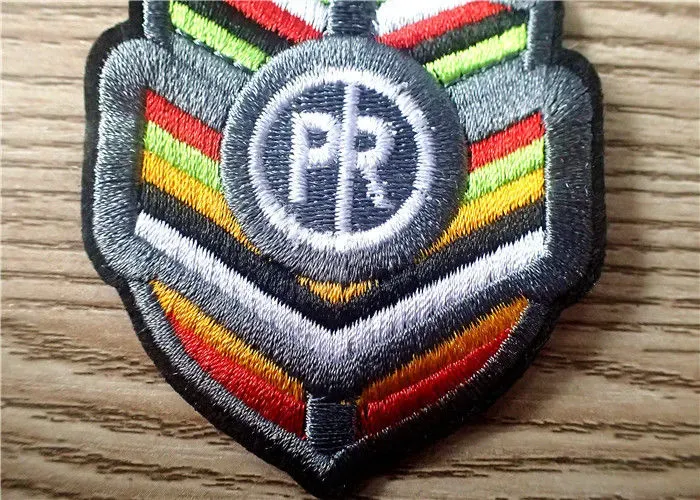
Durable Embroidered Patches can refresh your wardrobe by adding personality to jackets, jeans, and bags while promising long-lasting wear. Beyond looks, durability matters when items go through regular washing and daily use. Choosing the right patch depends on material quality, embroidery density, size, and border finish, as well as practical care to keep colors vibrant. To maximize longevity, consider backing options for patches and how the patch will be attached, whether sew-on or heat-activated. With a thoughtful selection and a few patch durability tips, you can enjoy patches that stay secure and vibrant through years of wear.
A broader take on this idea uses terms like long-lasting fabric appliques and sturdy badge patches that endure daily wear. Focus shifts to stitching quality, edge finishing, and the adhesive approach suitable for denim, leather, or canvas. Options range from sew-on to iron-on methods, with some designs offering a combined approach for extra security. Durability comes from dense embroidery, colorfast threads, and careful care practices that protect adhesion and fabric integrity. When selecting embellishments for jackets, jeans, or bags, matching material compatibility and maintenance routines helps preserve the look.
Durable Embroidered Patches: Key Factors for Longevity
Durability starts at the core: the patch material, embroidery quality, and the finish around the edges. High-density stitching, a crisp fill, and a clean merrowed border work together to resist fraying and thread breakage as the patch rubs against fabric during movement. Polypropylene or polyester threads are common choices for durable patches because they resist fading, UV light, and moisture better than many natural fibers. When you pick patches, prioritize dense stitch counts and a well-defined outline to keep the design legible after repeated wear and washing.
Colorfast inks and UV-resistant threads further extend life, especially for items that spend time outdoors or under bright light. Fabric compatibility matters too: a patch designed for thick denim or leather may not perform the same on a lightweight bag. Look for patches labeled for jackets, jeans, or bags to ensure the embroidery is optimized for the intended garment. By starting with embroidery quality, you set a strong foundation for long-lasting durability.
Backing Options for Patches: Sew-On, Iron-On, and More for Rugged Use
Backing choices dictate how a patch ultimately stays attached through daily wear and frequent washing. Sew-on backing provides the strongest, most enduring bond, making it a reliable option for jackets and heavy denim where movement and abrasion are common. If you’re aiming for maximum durability without relying on heat, a sew-on patch with the border stitched all the way around often outlasts other methods.
Iron-on backing offers convenience, but its performance hinges on fabric density, heat application, and laundering. High-quality heat-activated backings can last a long time when applied correctly, yet repeated machine washing and dryer heat can loosen the adhesive. Self-adhesive or Velcro-like backings are easy to reposition but typically don’t endure heavy washing. For best results, consider combo backings that combine heat-activation with an additional stitch line, or choose patches that can be sewn on for extra security.
Patches for Jackets: Maximizing Longevity on Denim and Leather
Jackets present unique wear patterns, with frequent rubbing at the shoulders, chest, and cuffs. Durable patches for jackets benefit from dense embroidery and a solid merrow edge to resist edge wear. When possible, choose patches that can be sewn on or have a secondary stitching line to prevent edges from curling and to bolster durability against motion and laundering on heavier fabrics like denim or leather.
The garment type also guides design decisions. For denim jackets, reinforced borders and a strong backing help prevent snagging on zippers, belt loops, or bike chains. On leather or heavy canvas jackets, a sew-on approach often delivers the most secure attachment, while a heat-activated option with extra stitching can offer convenient initial application without sacrificing longevity.
Patches on Jeans: Embroidery Quality and Border Finishes for Long-Lasting Wear
Denim imposes abrasion and frequent washing, so embroidered patches on jeans should feature robust stitch density and a tight border. A merrowed edge helps prevent unraveling at the seam line, while clear embroidery outlines maintain legibility as the patch undergoes repeated contact with hardware, seams, and denim textures. Select patches designed specifically for denim or heavy fabrics to ensure the backing and thread choices hold up under daily wear.
Smaller patches placed on back pockets or thigh areas can deliver a durable statement without overwhelming the garment. Opt for patches with reinforced borders and backing suited to denim’s rugged surface. When aligned with jeans, patches that emphasize sturdy stitching and minimal fine details tend to keep their shape and image after multiple wash cycles.
Choosing Between Iron-On vs Sew-On Patches: Durability and Attachment Security
Iron-on versus sew-on patches presents a trade-off between quick application and long-term resilience. Iron-on patches offer convenience, but their longevity depends on proper heat application and the fabric’s ability to hold the adhesive through washing. For gear that endures frequent laundering or high abrasion, sew-on patches provide a more dependable, lasting bond.
A practical approach is to use iron-on patches for quick branding, then reinforce with a stitch or choose patches that offer a combination: heat-activated backing plus a sewn border. Combining attachment methods is a common strategy for jackets or heavy bags where durability is a priority. When deciding, weigh your wash routine and wear pattern against the patch’s backing and border construction to maximize resilience.
Care and Maintenance: Patch Durability Tips to Extend Life
Careful maintenance dramatically extends patch life. Always follow washing guidelines, turning garments inside out to minimize surface abrasion on the patch. A gentle cycle with cold water for denim, canvas, or similar fabrics reduces stress on threads and adhesives, helping patches resist fraying or loosening over time. Avoid hot water, which can accelerate wear on threads and adhesives alike.
Air-dry when possible, and limit dryer heat to protect both the patch and the garment. Use mild detergents and avoid chlorine bleach that can degrade threads and adhesives. If you notice a loose edge, re-stitch around the perimeter to restore durability, and store items in a cool, dry place to prevent adhesive degradation for heat-backed patches. With mindful care, Durable Embroidered Patches stay vibrant and securely attached wear after wear.
Frequently Asked Questions
What are Durable Embroidered Patches, and why are they a good choice for jackets?
Durable Embroidered Patches combine dense embroidery with a sturdy merrowed edge and a durable backing to withstand regular wear. For jackets, the most reliable option is a sew-on backing (or a heat-activated patch that’s reinforced with a secondary stitch). High stitch density, colorfast threads, and fabric-appropriate sizing all contribute to long-lasting durability on jackets.
What are the best backing options for patches to maximize durability?
Backing options for patches vary: sew-on backing is typically the most durable because stitching creates a permanent bond; heat-activated backings can last well when applied correctly, often with an extra stitch for security; self-adhesive options are convenient but less durable in frequent washing; combo backings offer redundancy. For durability on jackets and heavy fabrics, choose sew-on or heat-activated with a stitching line.
Iron-on vs sew-on patches: which is more durable for everyday wear?
Generally, sew-on patches deliver the best durability for everyday wear because they are stitched around the edge, creating a secure bond that endures washing and movement. Iron-on patches can be durable if properly applied and heat-set, but repeated washing and dryer heat can loosen them over time. Durable Embroidered Patches often perform best when reinforced with a stitch.
What should I look for when choosing embroidered patches on jeans?
For embroidered patches on jeans, prioritize patches labeled for denim or heavy fabrics, with dense embroidery and reinforced borders to resist edge wear. A sew-on backing provides the strongest hold on jeans, and a strong thread colorfastness helps the patch survive frequent washing and abrasion from movement and hardware on denim.
What are patch durability tips for keeping Durable Embroidered Patches looking new in jackets, jeans, and bags?
Careful washing and handling extend patch life: turn garments inside out, use cold water on gentle cycles, air-dry when possible, and avoid harsh detergents or chlorine bleach. If a border edge loosens, re-stitch around the perimeter. Store garments properly to prevent adhesive degradation for heat-backed patches. These patch durability tips help maintain vibrancy and secure attachment.
How do size and border finish affect the durability of Durable Embroidered Patches on bags?
Size and border finish influence wear resistance: larger patches have more stitching surface but add weight; a clean merrowed border minimizes edge fray and maintains shape after rubbing against hardware. For bags, choose patches with sturdy backing and a border designed to resist abrasion, and ensure the patch design uses solid color fills and clear outlines to stay legible over time.
| Factor | Key Points | Practical Tips |
|---|---|---|
| Materials and embroidery quality |
|
Tip: Choose patches labeled for the garment type (denim, canvas, leather); prioritize dense embroidery and a clean border. |
| Backing and adhesion: how patches stay on |
|
Tip: For jackets and heavy bags, prioritize sew-on or heat-activated patches with added stitching for durability. |
| Size, design, and border finish |
|
Tip: Balance patch size with the garment area and abrasion level; simple shapes stay legible after washing. |
| Maintenance, care, and longevity |
|
Tip: Regular inspection and re-stitching extend patch life. |
| Patches for jackets, jeans, and bags: practical tips |
|
Tip: For bags, choose patches with strong backing and edge protection in high-abrasion areas. |
| Practical checklist for selecting Durable Embroidered Patches |
|
Tip: Use this checklist to compare options before purchase. |
Summary
Durable Embroidered Patches can elevate clothing and accessories while lasting through daily wear if you choose wisely. By prioritizing embroidery quality, selecting the right backing, matching patch size and border to the garment, and following sensible care practices, you’ll enjoy patches that stay vibrant and securely attached to jackets, jeans, and bags for a long time. Whether you’re personalizing a work jacket, updating a favorite pair of jeans, or branding a bag for a club or team, the right patches deliver lasting appeal and reliable durability. Remember to weigh your options—sew-on patches often provide the best longevity, while heat-activated patches offer quick attachment with the option to reinforce with a stitch for added resilience. Above all, choose patches designed for the garment type and care routine you use most, and your patches will continue to look great wear after wear.