
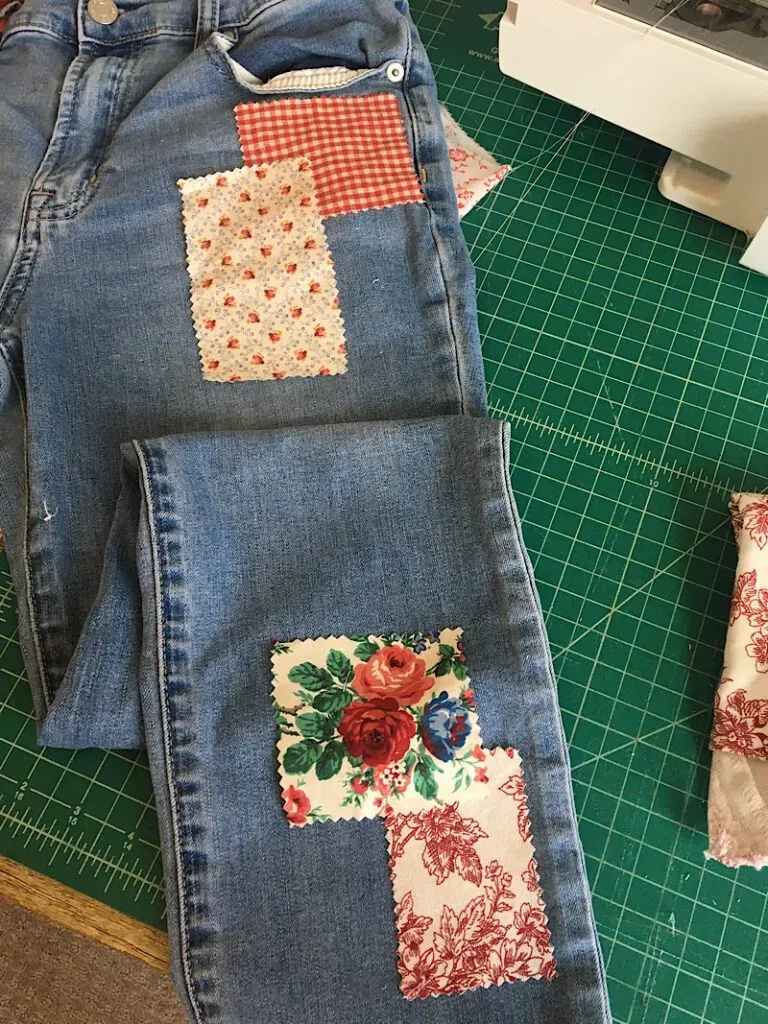
Sewing patches on jeans is a practical, creative skill that can extend the life of your favorite denim. By selecting sturdy patches and durable thread, patching jeans becomes a personal project that also helps reduce waste. In this jean patch tutorial, you'll learn where to place patches, how to prepare the fabric, and the best stitches to use. With clear steps and the right tools, you'll gain confidence as you mend worn areas and restore durability. You'll customize colors and textures to suit your wardrobe, exploring different patch options.
Viewed through an eco-conscious lens, this practice blends practical garment repair with creative expression. Many crafters frame it as upcycling and mending, turning fabric scraps into patches that tell a story. The approach also sits alongside sustainable fashion, helping reduce textile waste while expanding your wardrobe with customized details. Whether you call it denim repair, patchwork embellishment, or fabric art on jeans, the core idea remains the same: extend wear by thoughtful stitching. As you practice, you'll discover versatile techniques and placements that suit different washes, weights, and styles.
1) Sewing Patches on Jeans: Extend Denim Life and Personal Style
Sewing patches on jeans is more than a quick fix; it’s a practical way to extend the life of your favorite denim, reduce waste, and add a personal touch. By repairing worn areas, you can keep cherished jeans in rotation longer and give them a second story that reflects your lifestyle. This aligns with the idea of repair jeans with patches, turning a tear into a distinctive feature rather than a reason to discard.
Patching jeans also embodies a fashion-forward mindset—function meeting style. A jean patch tutorial mindset helps you balance durability with aesthetics, choosing patch shapes, colors, and stitching patterns that complement or contrast with the original denim. Whether you opt for inside patches for a clean exterior or visible patches for a bold statement, you’ll learn how to patch denim with confidence and clarity.
2) Choosing the Right Patch Materials for Denim Repair
Selecting patch materials sets the foundation for a durable, stylish repair. Start with sturdy patches designed for denim or repurpose fabric scraps from old jeans. Consider options like fabric patches with raw edges for a rugged look, iron-on patches for quick fixes, and ready-made denim patches that blend or contrast with your jeans. Each choice carries a distinct aesthetic and level of durability for patching jeans.
Denim patch ideas range from minimalist to expressive, so you can tailor the repair to your wardrobe. When you weigh patching jeans, think about color harmony, patch size, and edge treatment. A thoughtful combination of patches and stitching can transform worn areas into intentional design elements.
3) Step-by-Step Tutorial: How to Sew Patches on Denim
This step-by-step guide is designed for beginners and seasoned sewers alike and centers on how to sew patches on denim. Begin by preparing the patch and the area—cut the patch slightly larger than the hole, position it where you want, and secure with pins or clips. If you’re using iron-on patches, follow the package instructions and apply a light pre-press for a smooth surface.
Next, mark the stitching path with chalk, then start sewing with a sturdy stitch like the backstitch or a small running stitch around the edges. Secure threads on the inside when you finish, and consider an interior backing patch for extra stability. For a durable finish, you can reinforce with a second line of stitches or switch to a tight zigzag along the edge.”
4) Placement, Alignment, and Finishing Techniques for Durable Patches
Where you place patches matters just as much as how you sew them. Decide whether to place patches inside for a clean exterior or outside for a bold, decorative effect. Consider knee, seat, or pocket patches based on wear patterns, and keep the patch orientation balanced or intentionally asymmetric for style.
Finishing techniques anchor the patch securely. Use running stitches, backstitches, or a blanket stitch to secure the perimeter, and trim excess threads to prevent snagging. If you want no visible exterior stitches, you can use a dense zigzag stitch along the edge or extend interior stitching to the visible surface for a seamless yet durable result.
5) Creative Denim Patch Ideas to Personalize Your Jeans
Creative denim patch ideas offer a canvas for personal storytelling and wardrobe coordination. Mix geometric shapes, florals, or embroidered elements to reflect hobbies or interests, turning worn knees into a curated feature. Patch placement can frame outfit silhouettes—think patches that echo your belt color, shoes, or top layers.
Exploring denim patch ideas allows you to build a mini gallery on your jeans. Whether you favor cohesive color schemes or bold contrasts, the right patches transform a practical repair into a statement piece. This approach makes patching jeans not just a repair task but a deliberate styling choice.
6) Care, Maintenance, and Longevity of Patches on Jeans
To maximize patch lifespan, wash jeans on a gentle cold cycle and air-dry when possible. High heat can weaken stitches and reduce patch adhesion over time. Gentle handling helps maintain both the denim and the patches, preserving the repair’s integrity through many wears.
Over time, you may need to resew edges or touch up stitching as jeans age. Inspect patches regularly for edge fraying and resecure loose threads. By treating patches as an ongoing part of the garment, you can keep repairing jeans with patches and preserve their look and function longer.
Frequently Asked Questions
What is the basic process for Sewing patches on jeans?
Start by selecting sturdy patches and deciding where to place them. Place the patch inside or on the outside and secure with pins, then trace a stitching path with chalk. Sew around the patch edge with a strong backstitch or running stitch, keeping tension even. Tie off and press the patch with a cloth for a neat, durable finish. This approach keeps Sewing patches on jeans durable and stylish.
How do you repair jeans with patches?
Cut a patch larger than the hole, place it behind or on the outside as you prefer, and secure with pins. Stitch around the hole’s edge with a durable stitch (backstitch or running stitch) to anchor the patch. If you use an interior patch, it adds backstopping against further tearing. Trim threads and press to finish.
Can you share a jean patch tutorial for beginners?
This jean patch tutorial for beginners covers the essentials: start with simple patches, optionally use an iron-on patch for quick fixes, then reinforce edges with basic hand stitches or a simple seam. Gather a few tools, align patches, sew around the edges, and finish with a light press. With practice, you’ll master how to sew patches on denim.
What are some denim patch ideas to customize jeans?
Denim patch ideas include geometric shapes, florals, embroidery, or hobby-themed patches. Mix contrasting colors or textures and place patches on knees, pockets, or seats for both durability and style. Whether inside or outside, denim patch ideas help you express personal style while extending the jeans' life.
How can I prevent fraying and ensure durability when sewing patches on denim?
Prevent fraying by trimming frayed edges and marking a clear stitching path. Use longer, even stitches to increase durability, and finish with a secure edge stitch (running, backstitch, or blanket stitch). If you don’t want visible outside stitching, you can use a tight zigzag along the edge or extend interior stitching to the visible surface. Avoid pulling the fabric as you sew to prevent puckering.
How should I care for jeans after sewing patches on jeans to extend their life?
Care for patched jeans by washing on a cold, gentle cycle and air-drying when possible. If you use a dryer, choose a low heat setting and remove promptly to reduce wear on stitches. Resew any edges showing wear over time and press with a cloth to maintain the finish.
| Aspect | Key Points | Notes |
|---|---|---|
| What it is | Sewing patches on jeans is a repair plus a creative craft to extend denim life and express personal style. | From torn knees to decorative patches. |
| Why do it | Eco-friendly, durable, personal touch, reduces waste. | Good for durability and fashion; supports sustainable wardrobe choices. |
| Patch Types | Fabric patches with raw edges; iron-on patches; ready-made denim patches; decorative patches. | Durability varies; edge stitching often recommended. |
| Tools & Materials | Patches, denim thread, needles or sewing machine, scissors, pins, chalk, seam ripper, fabric glue (optional). | Optional: thimble, ruler, pressing cloth. |
| Preparation | Decide location (knees, pockets, seat); inside/outside patches; clean/dry; trim frayed edges; mark placement. | Inside patches for clean exterior; alignment matters. |
| Stitching Options | Running stitch, backstitch, blanket stitch; zigzag edge for no visible outside stitches. | Durability depends on stitch choice and tension control. |
| Step-by-step | Prep patch and area; mark path; sew; secure; finish; optional iron-on plus sewing. | Follow patch directions for iron-ons; ensure proper adhesion and set. |
| Common Mistakes | Short seams, misalignment, unsecured edges, over-stretching fabric. | Test layout first; transfer marks accurately; finish edges securely. |
| Care & Longevity | Wash cold, gentle cycle; air-dry; resew edges as needed; patches may soften over time. | Avoid high heat to protect stitches and patches. |
| Creative Ideas | Mix patches, express personal interests; geometric, floral, or hobby-themed patches. | Use color and texture to create a deliberate, stylish look. |
Summary
Sewing patches on jeans is a repair plus a creative craft that can extend the life of denim while letting you express personal style. This table highlights key aspects: what patching is, why it’s beneficial, patch types, essential tools, how to prepare and plan, stitching options, a step-by-step approach, common mistakes to avoid, care for longevity, and creative ideas to customize jeans. Following these points helps ensure durable, stylish results that endure wear and washing.