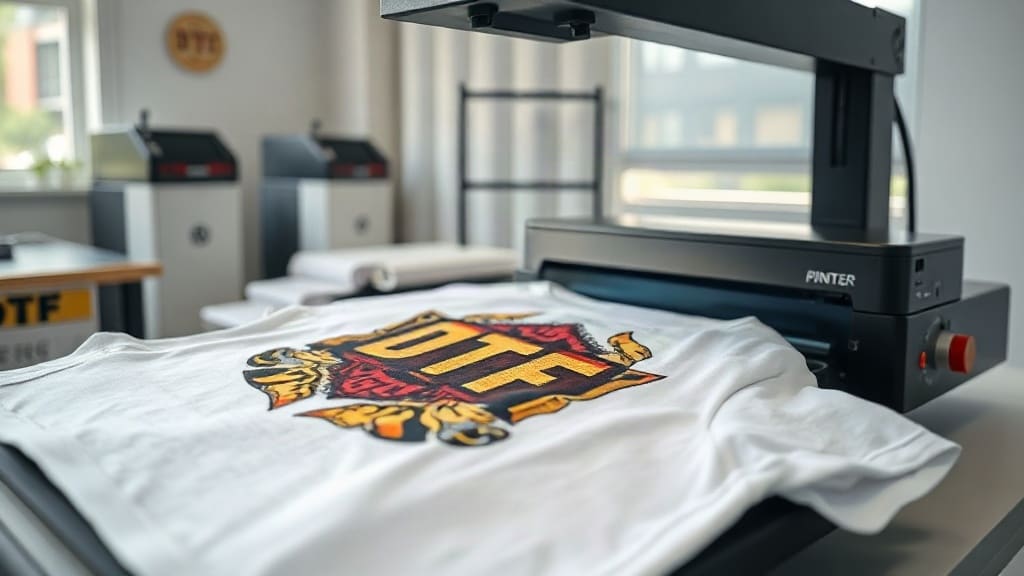
DTF Printing: A Complete Guide for Custom Apparel
Discover how DTF printing works, why it's a game-changer for custom apparel, and how to get started with your own designs.

Discover how DTF printing works, why it's a game-changer for custom apparel, and how to get started with your own designs.
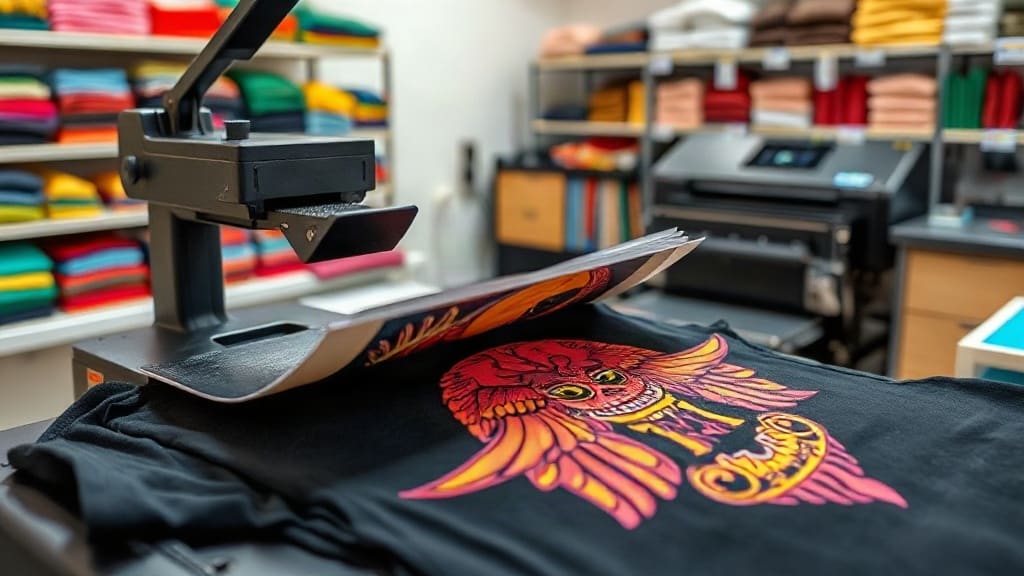
Discover why DTF transfers are revolutionizing custom apparel. Learn the process, benefits, and expert tips to create vibrant, durable designs for your brand or personal projects.
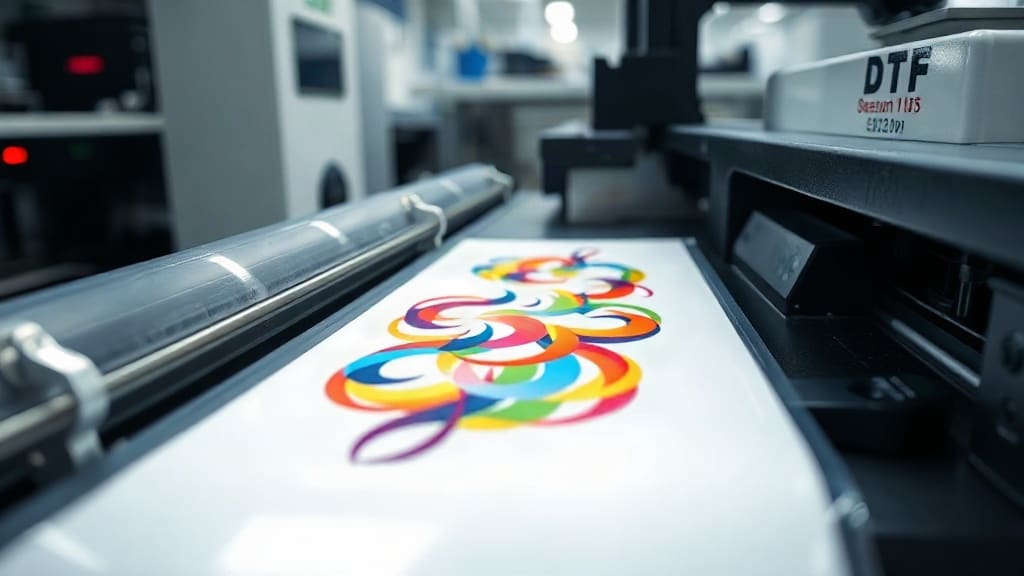
Discover how DTF printing works, why it's a game-changer for custom apparel, and how to get started with your own designs.

DTF transfers and embroidery solve very different problems. Here is how to pick the right decoration method for each garment, budget, and deadline.
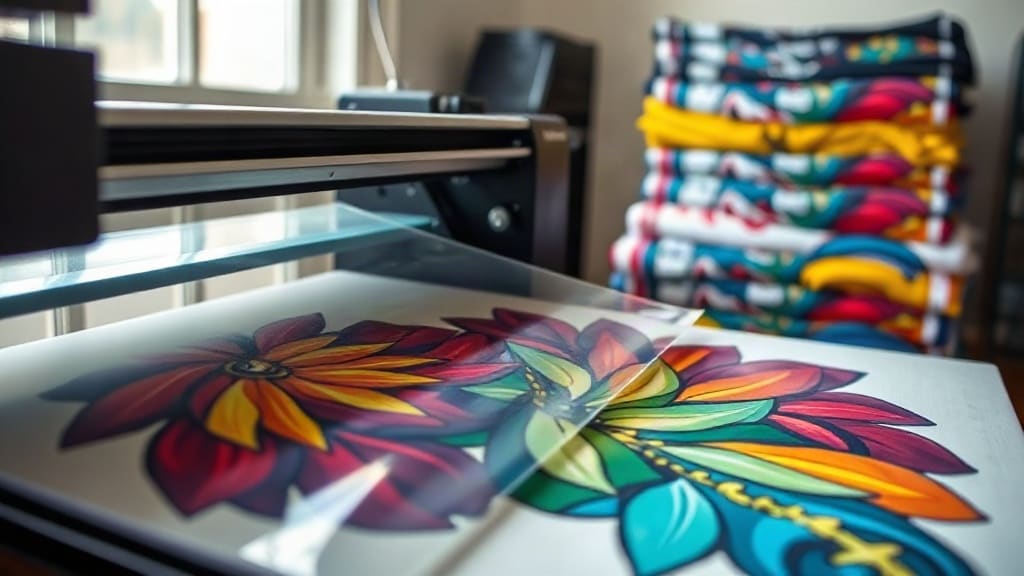
Discover how DTF printing works, its benefits, and how to use it for custom apparel. Learn step-by-step and compare with other methods.
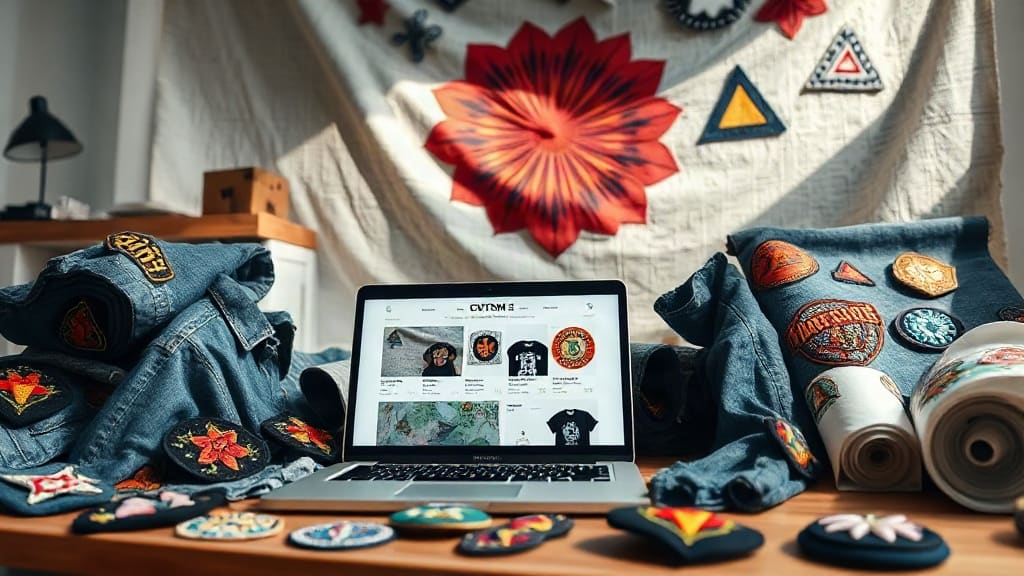
Discover how to leverage print on demand with custom patches and banners to grow your brand. From design tips to marketing strategies, this guide covers everything you need to know.
This Beginner's guide to print on demand is designed for complete newcomers who want to launch a store with confidence and minimal upfront risk.Print on demand lets you turn creative ideas into real products without stocking inventory, making it ideal for a low-risk POD store setup.
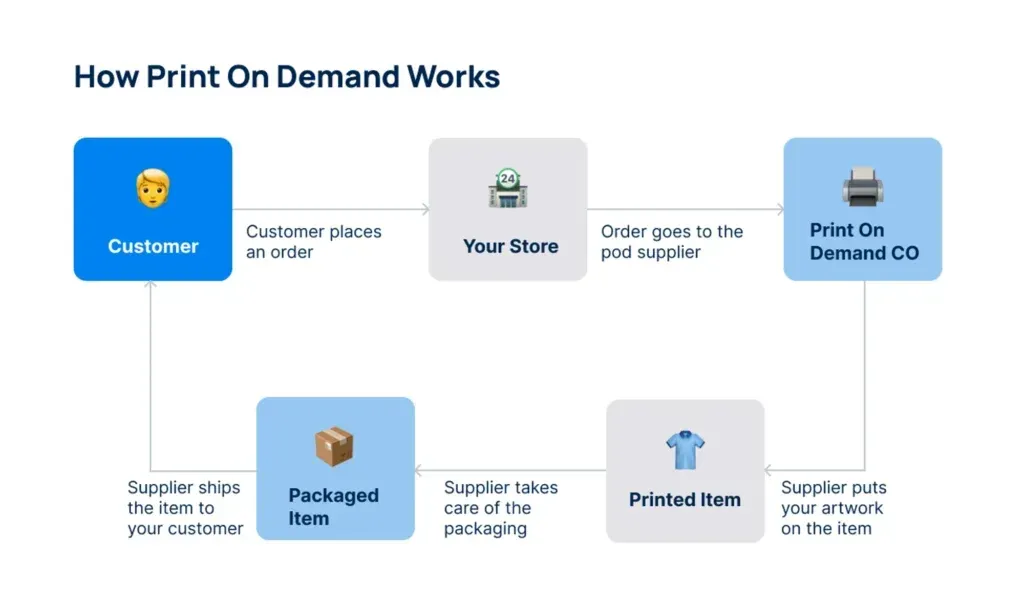
Automated workflows for print on demand are transforming how merchants run their businesses, delivering faster turnarounds, precision in customization, and reliable results that meet rising customer expectations.By coordinating order intake, artwork checks, production scheduling, and fulfillment into one cohesive flow, these systems remove the bottlenecks that slow teams during peak seasons and empower operators to invest time in design, testing, and strategic growth rather than repetitive data entry.
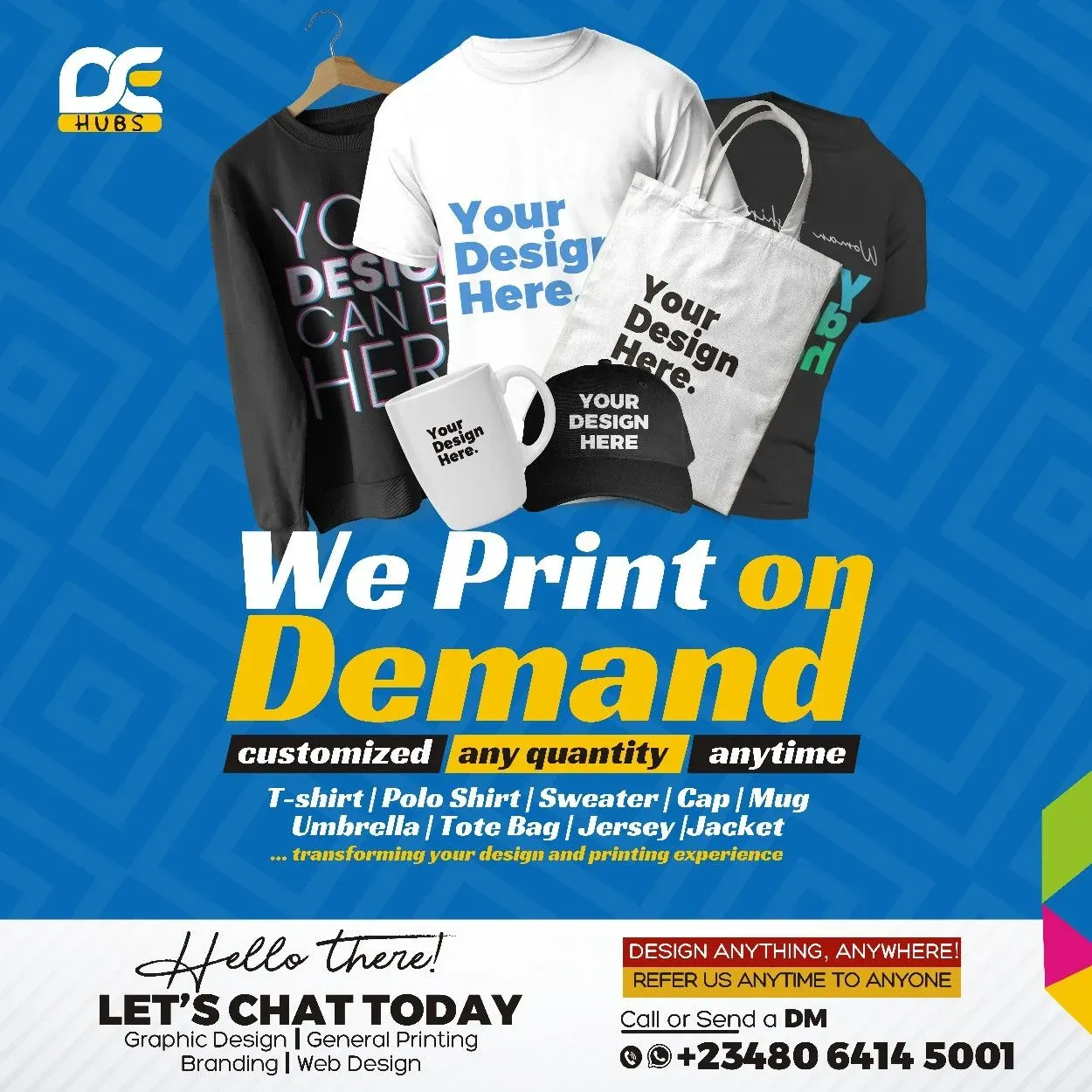
Branding Your Print on Demand Store goes beyond a single logo, shaping how customers perceive every interaction—from cart to receipt and across product packaging and branding.A cohesive approach to POD branding strategies helps your store stand out in a crowded market and builds lasting trust, guiding messaging, visuals, and customer expectations across channels.
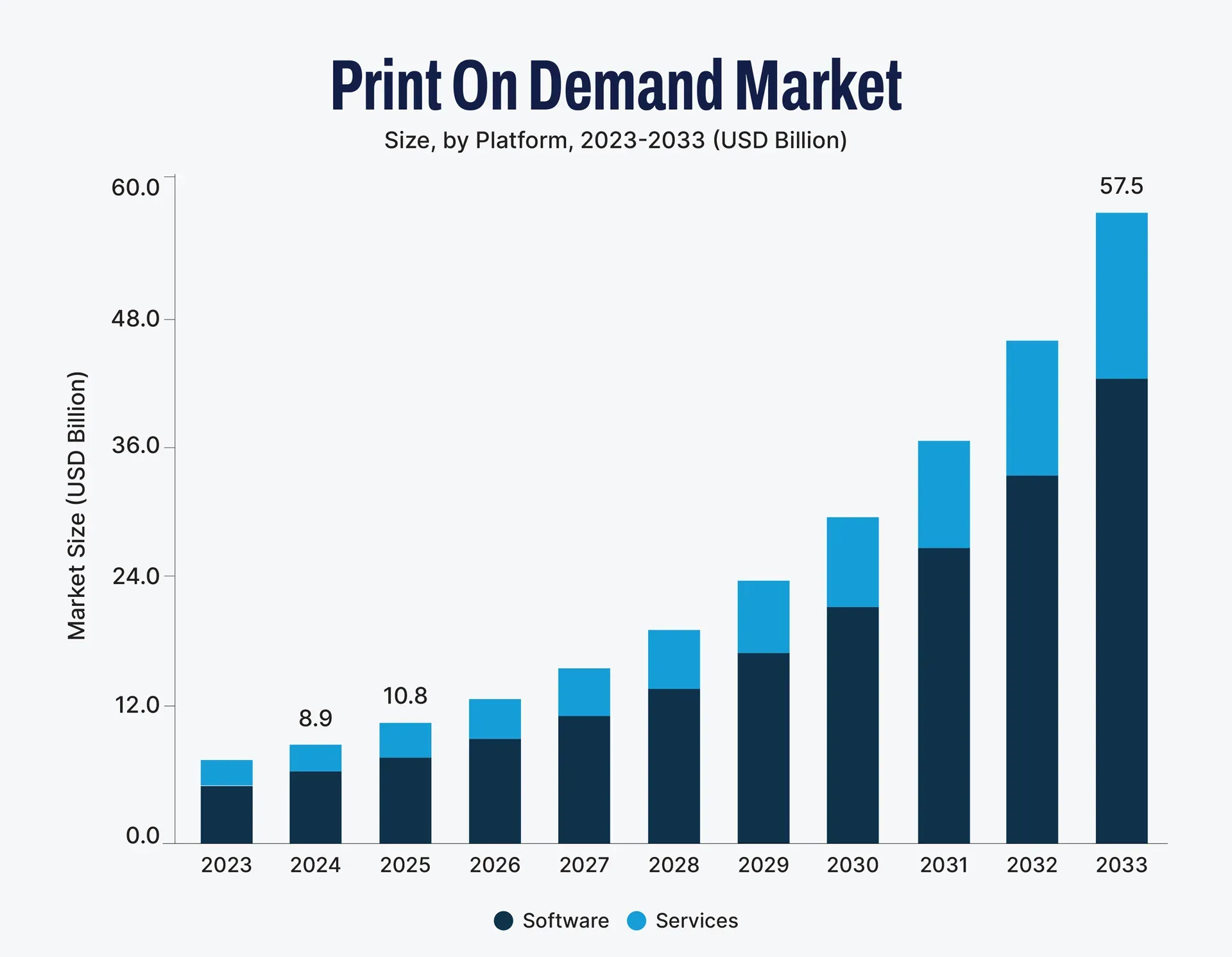
Print on Demand Trends 2026 is more than a forecast; it's a practical framework for designers, brands, and marketplaces seeking to stay ahead in a rapidly evolving space, where rapid experimentation, rigorous quality control, ethical sourcing, and transparent storytelling increasingly define what it means to stand out in crowded markets.As consumer expectations tilt toward faster turnaround, deeper customization, and more transparent sourcing, this snapshot reveals how the POD model is maturing, with tangible improvements in color management, automation, modular production protocols, and resilient supply chains that empower creators to test ideas at scale without sacrificing consistency.
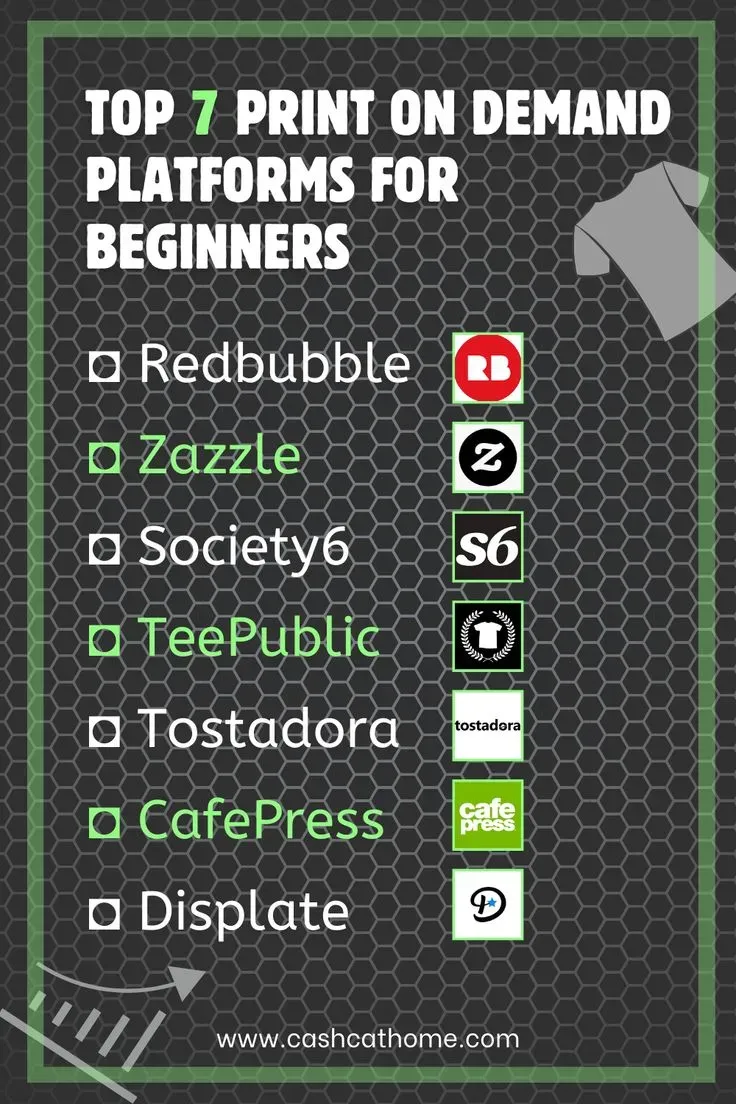
For creators exploring a POD platform for niche markets, the best print on demand platform can redefine how a brand scales, shaping product quality, fulfillment speed, and profitability.If you're selling specialty apparel, customized accessories, or distinctive home decor, the right platform impacts print methods, branding flexibility, and how easily you can grow—especially when you weigh print on demand integrations and pricing.
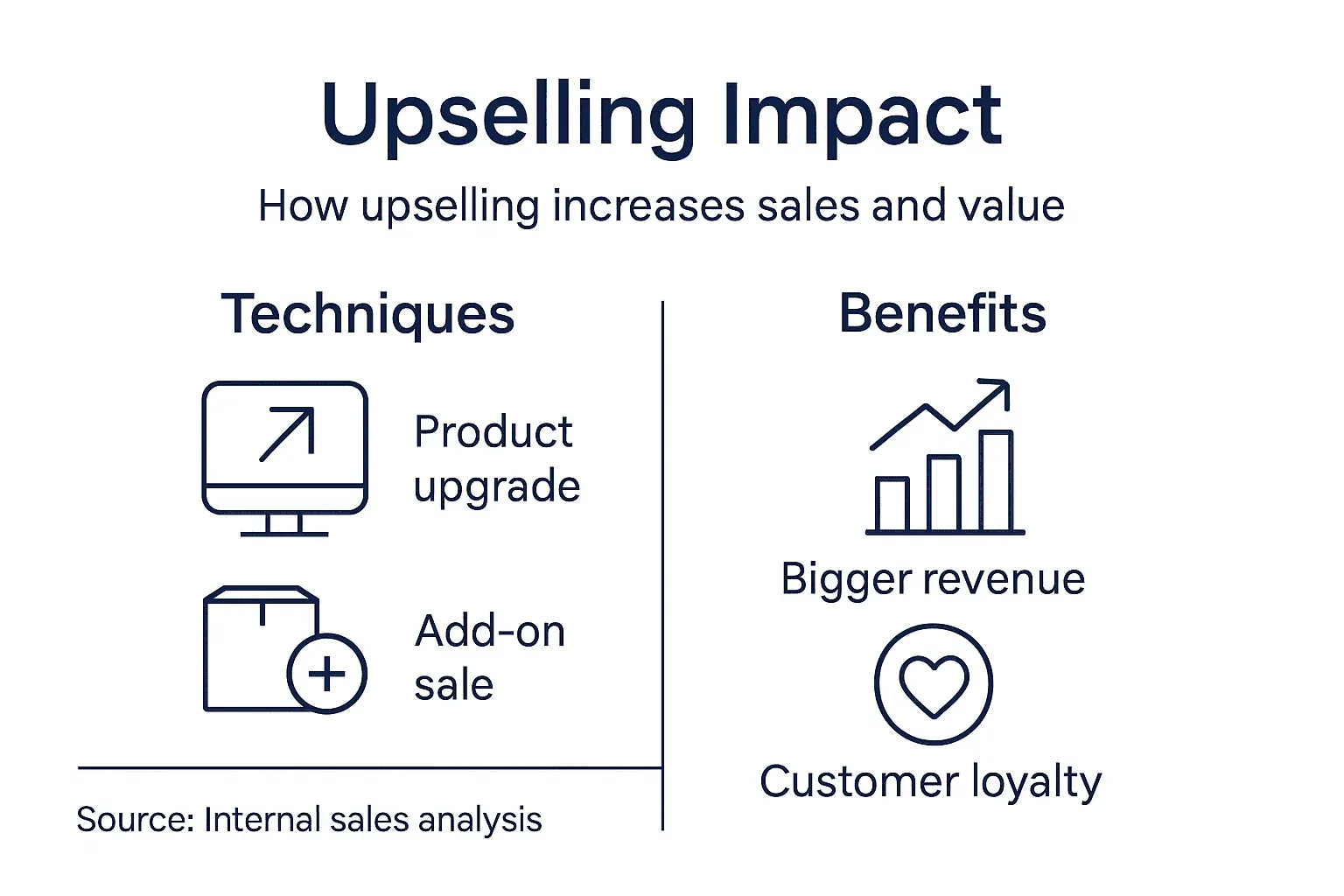
Upselling and Bundling in Print on Demand offer a practical path to growing revenue without sacrificing the customer experience.With low upfront costs and fast design iterations, POD shops can leverage targeted add-ons to expand the cart thoughtfully.
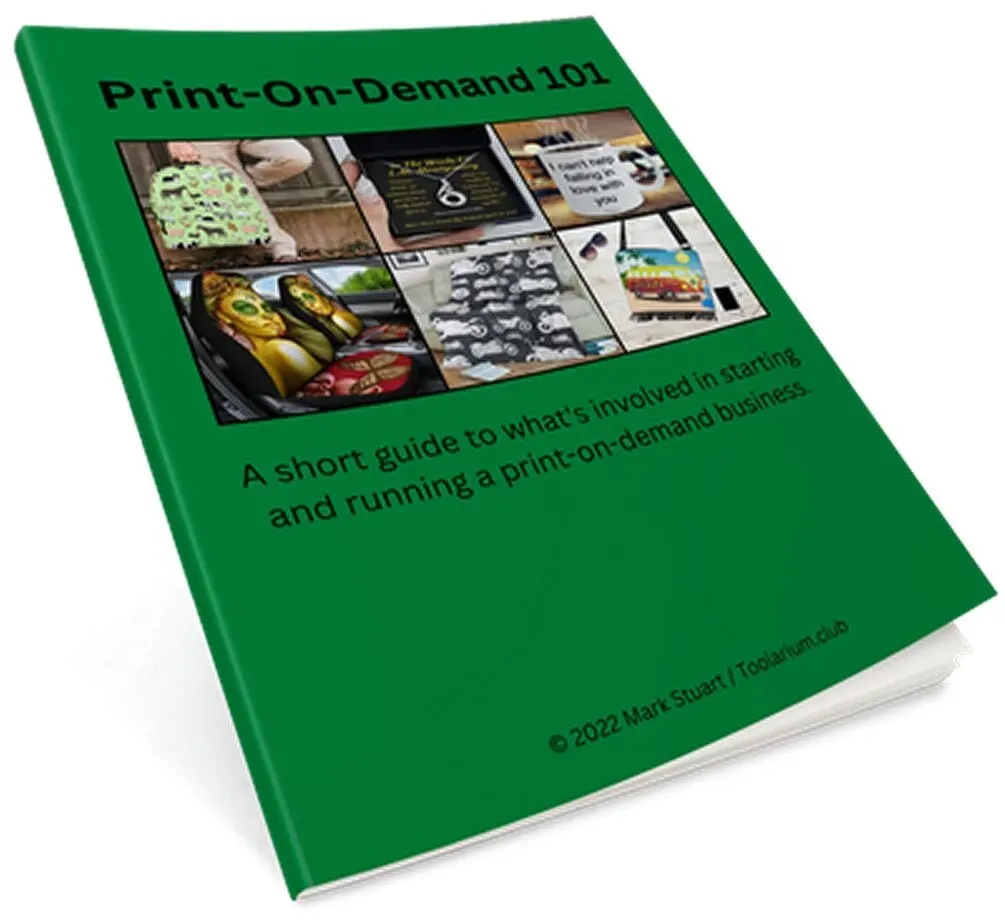
Print on Demand 101 opens with a clear promise: you can build a brand with minimal upfront risk by producing products only after customers order them.This order-driven model eliminates the need for large inventories and reduces the cash tied up in stock, enabling faster experimentation and iteration.
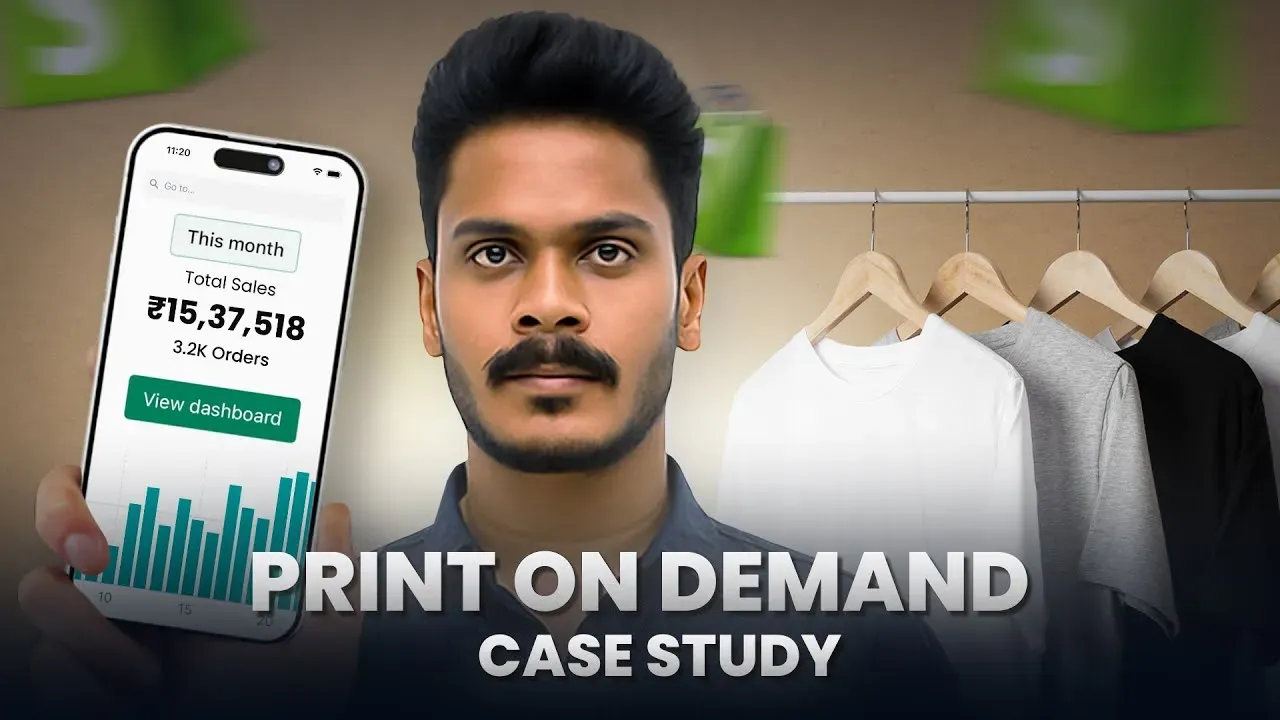
Print on Demand Case Study has emerged as a blueprint for small brands seeking scalable growth without heavy upfront inventory, offering a practical lens on how startups can test ideas without risking large stock commitments.The narrative follows a modest, up-and-coming label as it uses on-demand production to expand from a handful of SKUs to a broader, resonant lineup that resonates with a loyal audience and sustains margins.
Print on Demand Design Tips unlock practical, repeatable strategies for sellers of shirts, mugs, and accessories, helping you stand out in a crowded marketplace, capture attention within seconds, build trust through consistent visuals, and present a compelling first impression that invites further exploration of your product line.By focusing on color harmony, legible typography, deliberate composition, and imagery that translates cleanly across fabrics, ceramic surfaces, and accessory panels, as well as on lifestyle photography and marketing assets, including POD mug design tips, so you can craft designs that grab attention, drive clicks, and convert casual browsers into loyal buyers who return for more.
Zero-Inventory Print on Demand unlocks a thriving online storefront by letting you sell custom products without ever stocking inventory.By pairing compelling designs with trusted fulfillment partners, you can offer a broad catalog—from apparel and home goods to notebooks and phone accessories—and ship directly to customers as orders arrive, supported by a POD shop setup and fulfillment automation that streamlines order routing, real-time tracking, returns handling, and ongoing quality control while preserving healthy margins.
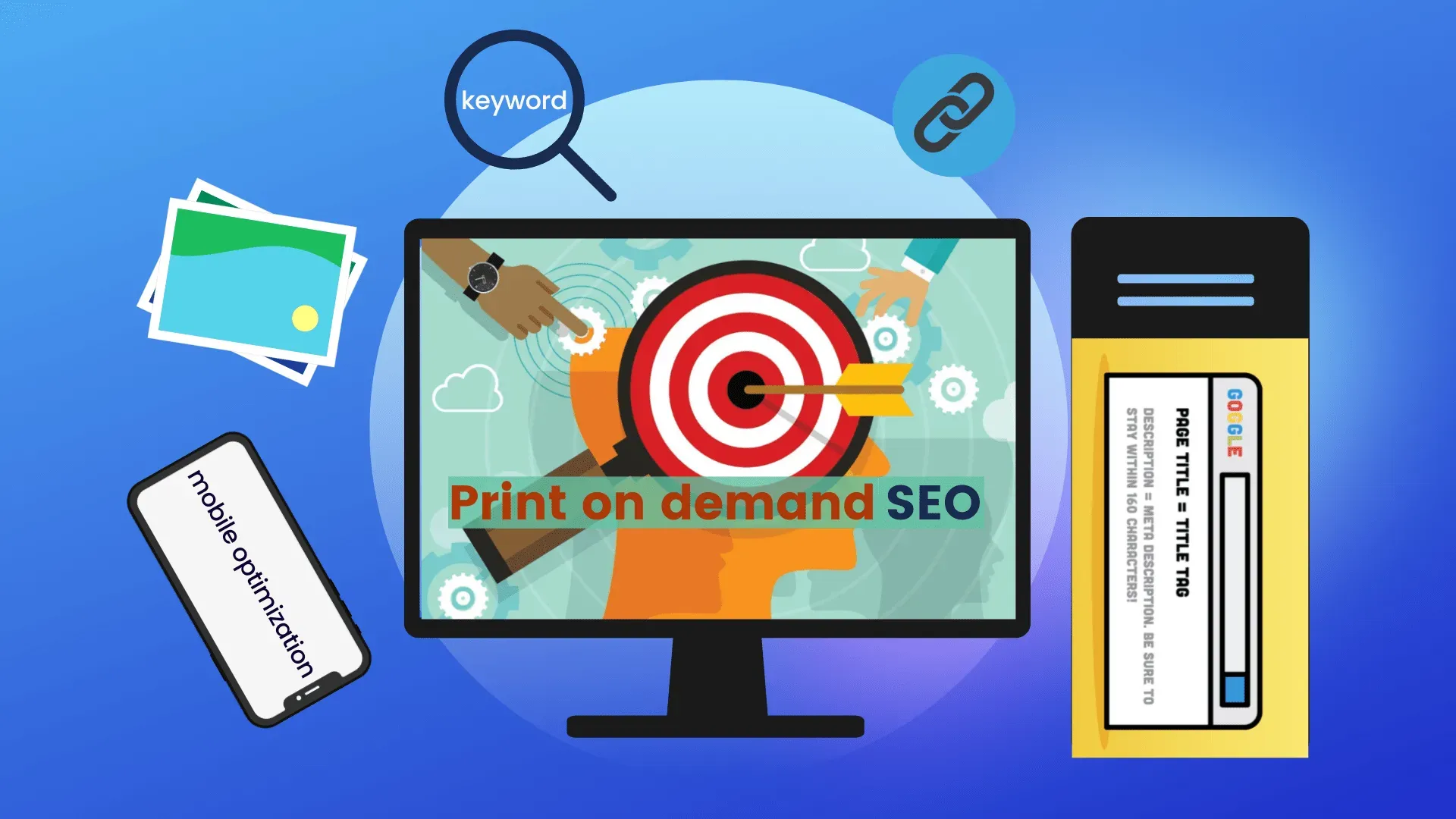
SEO for print on demand stores is the compass that helps your custom goods rise above the noise in a crowded online marketplace.This approach aligns product pages with shopper intent, so designs like graphic tees and mugs appear when people search for relevant ideas.
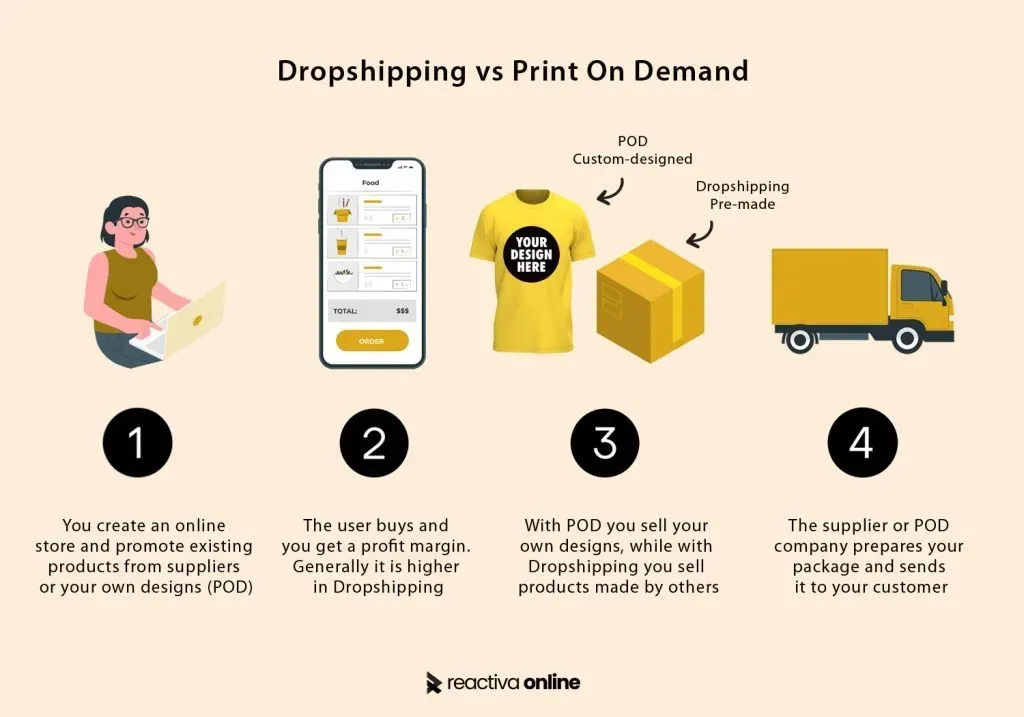
Print on Demand vs Dropshipping is a decision that can shape your online store's speed to market and long-term profitability.Understanding print on demand advantages can help you assess inventory risk, design flexibility, and how you iterate products with demand.
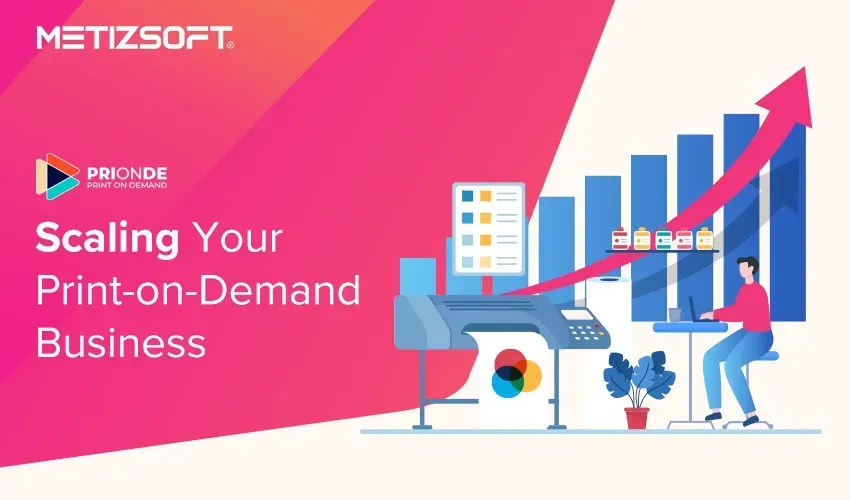
scaling print on demand is about more than adding stock; it means orchestrating a repeatable, automation-driven system that can grow with demand, withstand seasonal spikes, and preserve the quality and brand experience customers expect, with an approach that blends integrated order processing, supplier alignment, and data-informed decision making to create a path from first sale to scalable, consistent fulfillment, and it requires governance, metrics, and continuous improvement to stay ahead of curveballs.To get there, you’ll map your current end-to-end workflow, identify the bottlenecks where automation can trim handoffs, and design a governance model that ensures accountability across designers, printers, and logistics partners while keeping margins intact, then document roles, SOPs, and SLAs so teams can execute consistently and stay aligned during growth; include governance, risk assessments, and change-management plans to ensure adoption across teams and to help suppliers meet evolving SLAs.
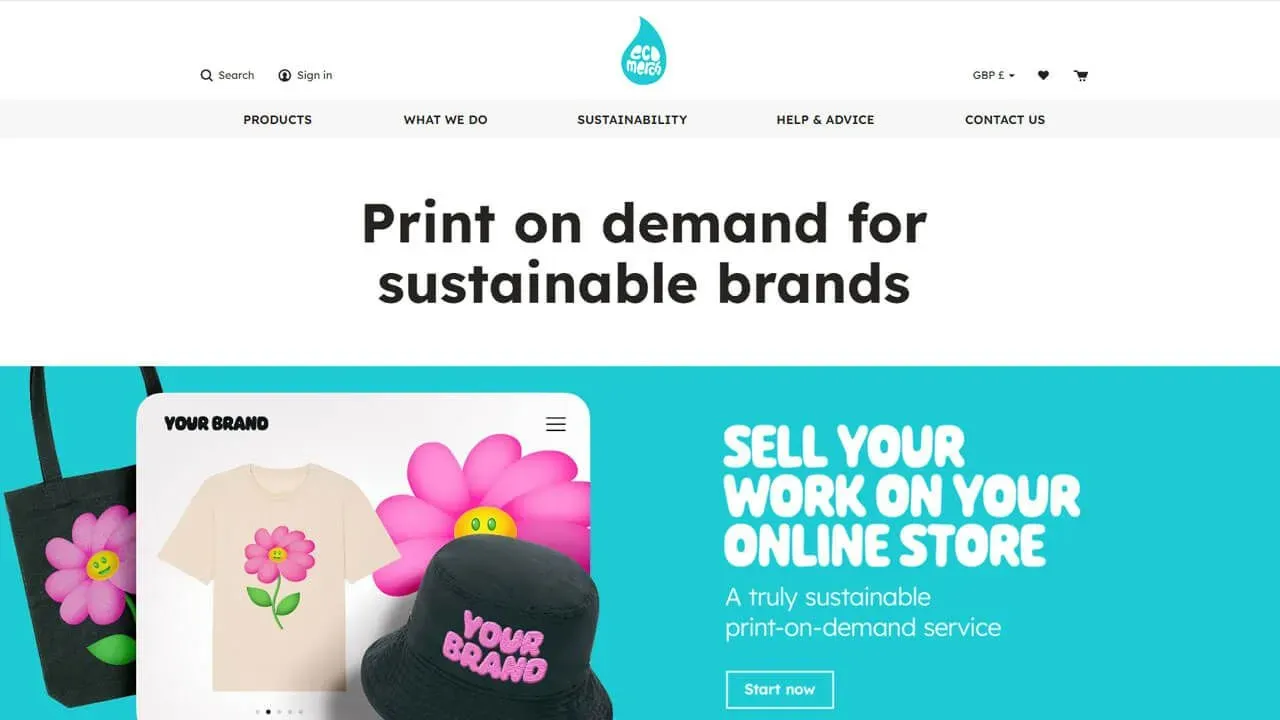
Eco-Friendly Print on Demand is reshaping how brands and creators bring products to market, blending creativity with responsibility.As ecommerce and on-demand fulfillment grow, sustainability isn’t a luxury—it’s a core requirement that can differentiate a brand, reduce costs over time, and appeal to a growing audience that cares about how products are made.
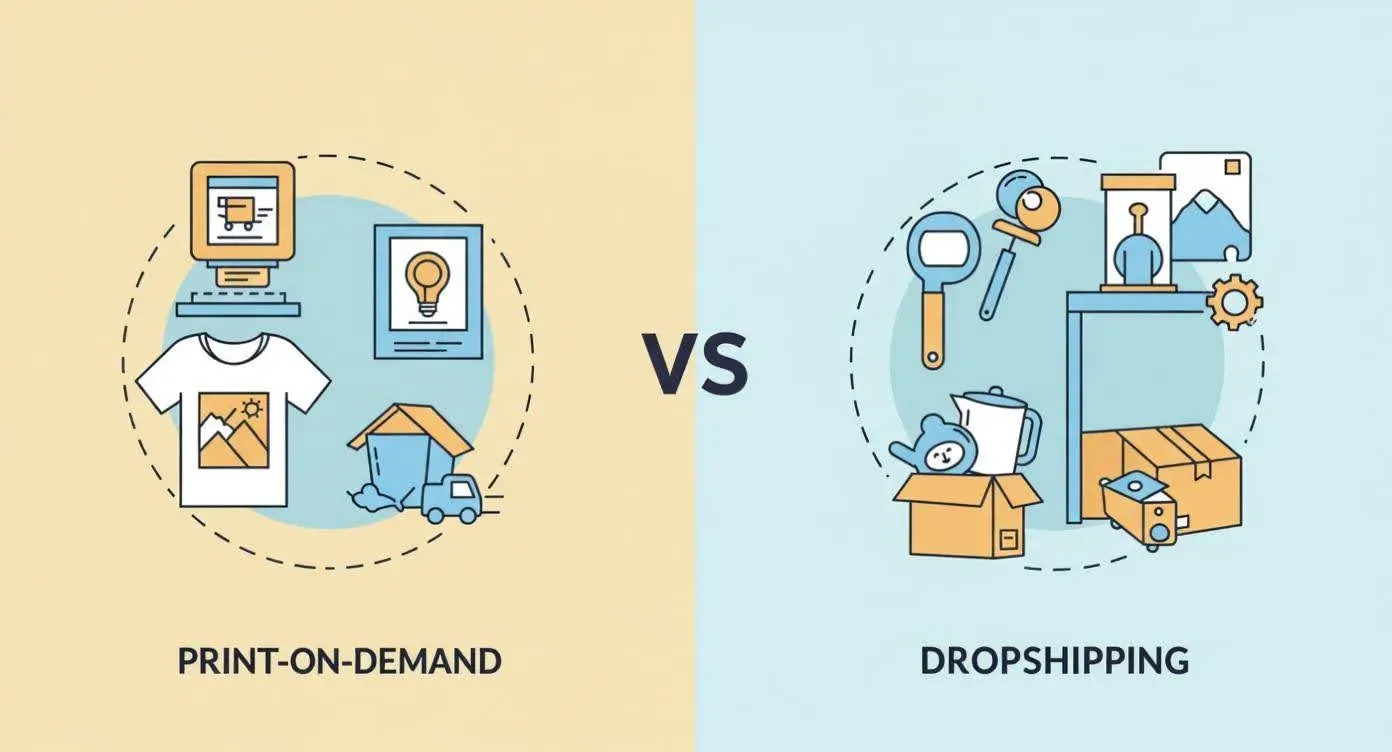
Print on Demand vs Dropshipping is a foundational choice for modern ecommerce, shaping branding, production, and fulfillment strategies from day one.Both models let you sell without holding large inventories, but POD emphasizes customization and branding, while dropshipping relies on supplier-driven catalogs.

POD marketing is a holistic approach that blends ads, social media, and email to grow a print on demand business.In a crowded marketplace, the magic unfolds when you synchronize messaging, creative, and timing across channels so potential customers encounter your brand at multiple touchpoints, from social feeds and video tutorials to search results, emails, and product pages, building recognition and trust long before a purchase decision is made.
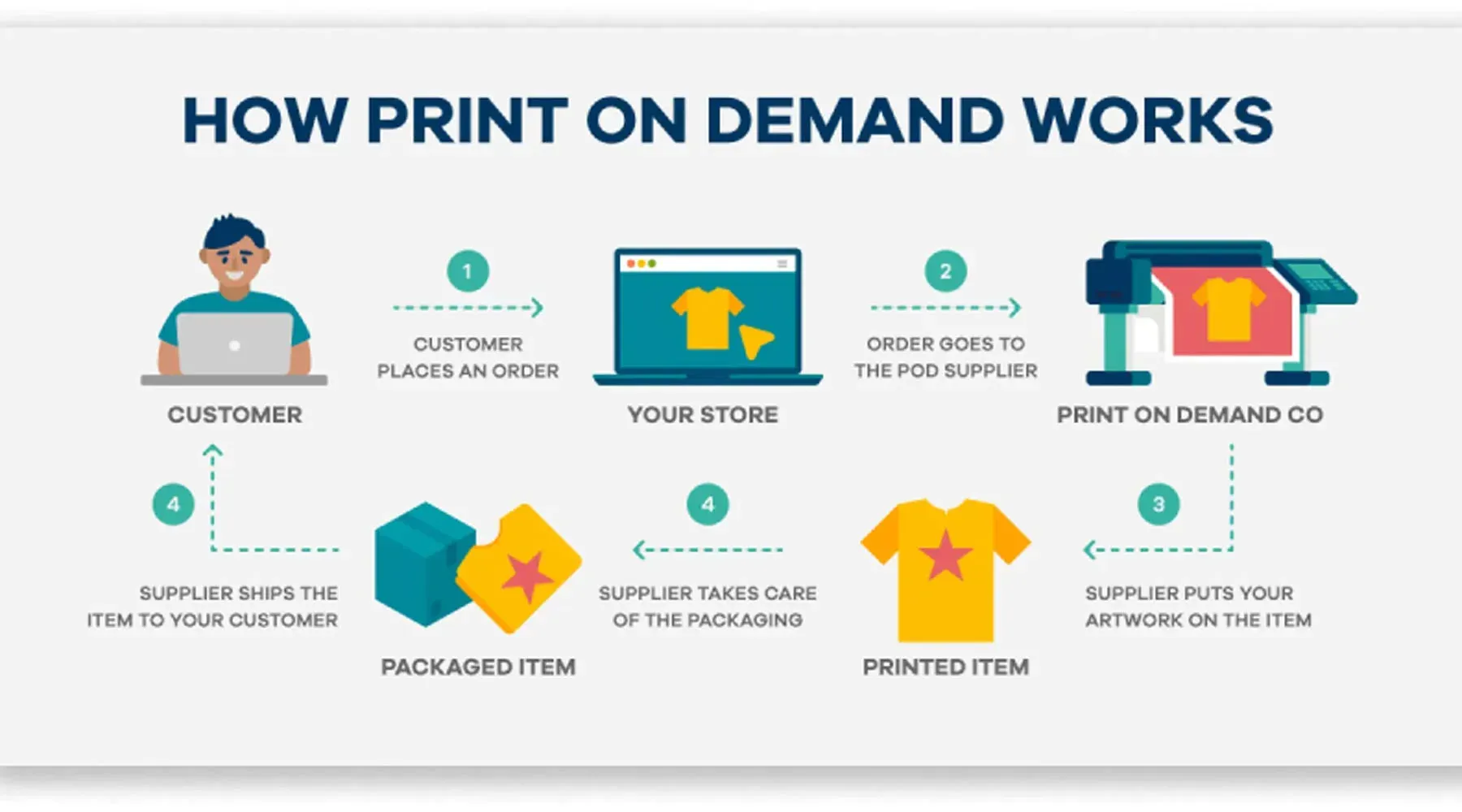
Print on Demand has revolutionized how aspiring entrepreneurs launch online stores, letting you offer custom-printed products without carrying inventory.The Print on Demand business model reduces upfront risk and enables testing multiple designs before committing to stock.
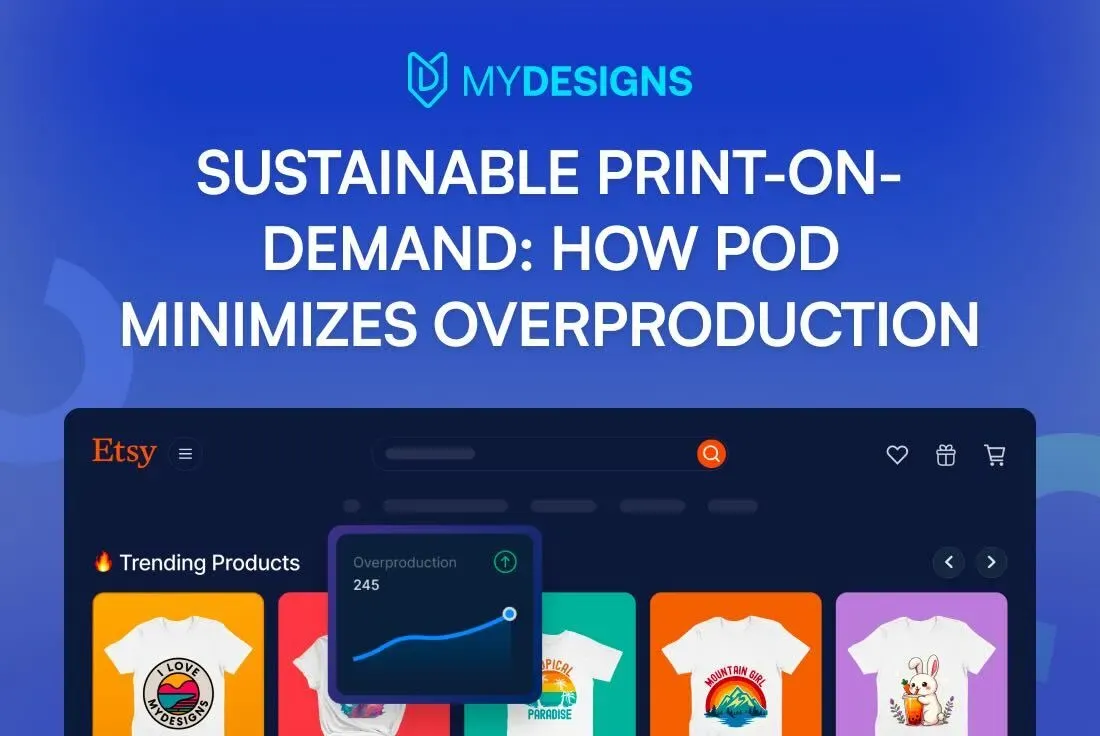
Sustainable print on demand is redefining how brands scale responsibly, offering a flexible, low-waste path to customized products.By producing items only after purchase, it minimizes overproduction and aligns with eco-friendly print on demand principles.
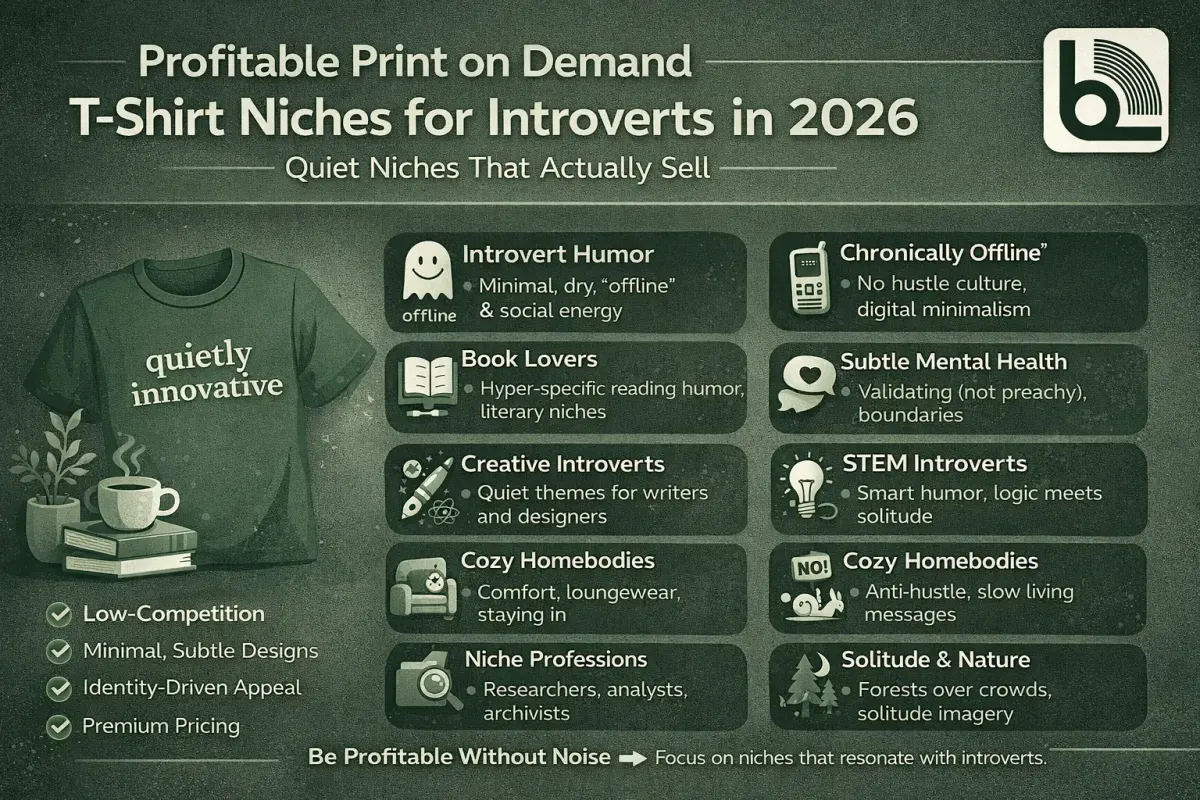
Print on Demand Niches 2026 are redefining how aspiring entrepreneurs enter the e-commerce space.From targeted 'POD niches 2026' that align with passionate communities to 'best POD niches 2026', savvy store owners can test ideas with minimal upfront cost.

Print on Demand for Authors reshapes how writers promote their books, offering a flexible, low-risk path to test ideas, craft a consistent brand, and engage readers before the first page is opened, whether at a local bookstore, a virtual launch, or a library event.POD for authors makes it practical to create tangible assets like book-embossed marketing materials that convey quality and professionalism at events, libraries, and online launches, turning casual encounters into lasting impressions.
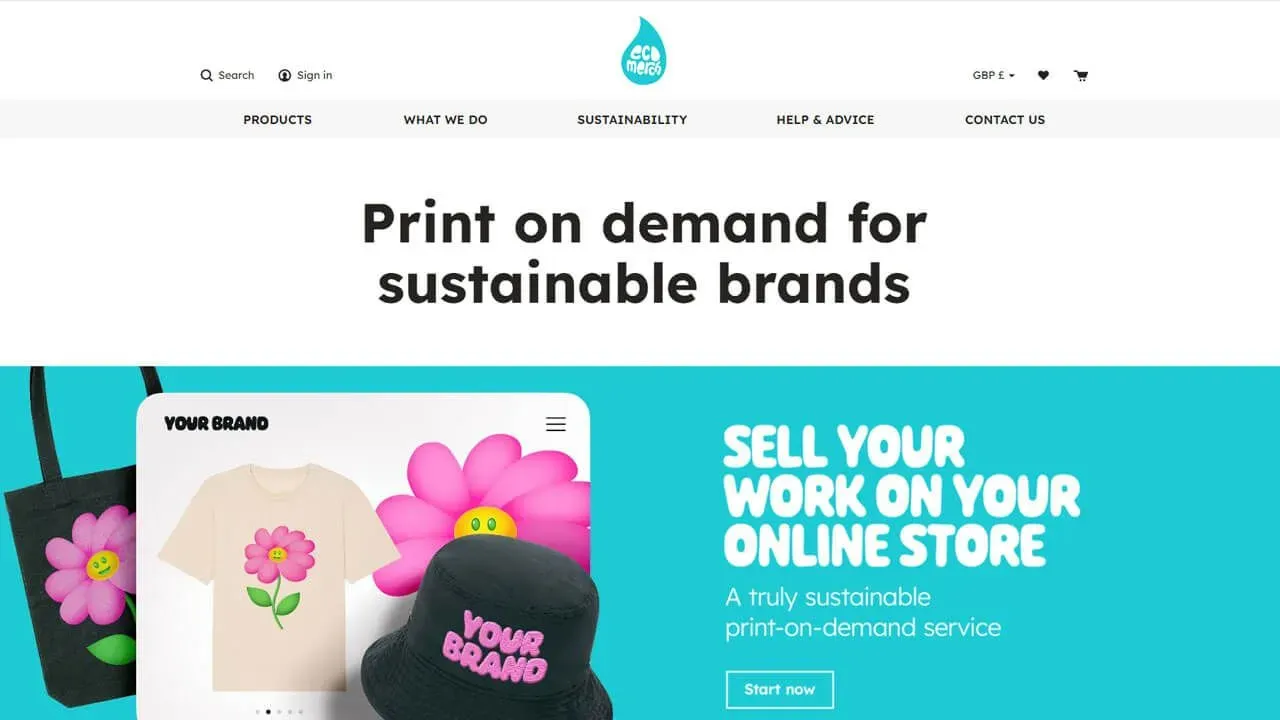
Eco-Friendly Print on Demand is redefining how brands balance customization with care for the planet.By prioritizing sustainable materials for print on demand, businesses reduce waste and support ethical sourcing.
Print on Demand SEO is the foundation of helping your POD store connect with the right buyers as they search online, guiding you to align products, categories, and content with real consumer intent rather than relying on guesswork.It weaves keyword research for POD with technical health, on-page optimization, site architecture, and ongoing content strategy to boost visibility, relevance, and trust across product pages, category pages, and blog assets.
Print on Demand Brand is redefining how creators reach customers with thoughtfully crafted apparel and accessories.This article presents a real-world print on demand case study showing how branding decisions drive growth and trust.
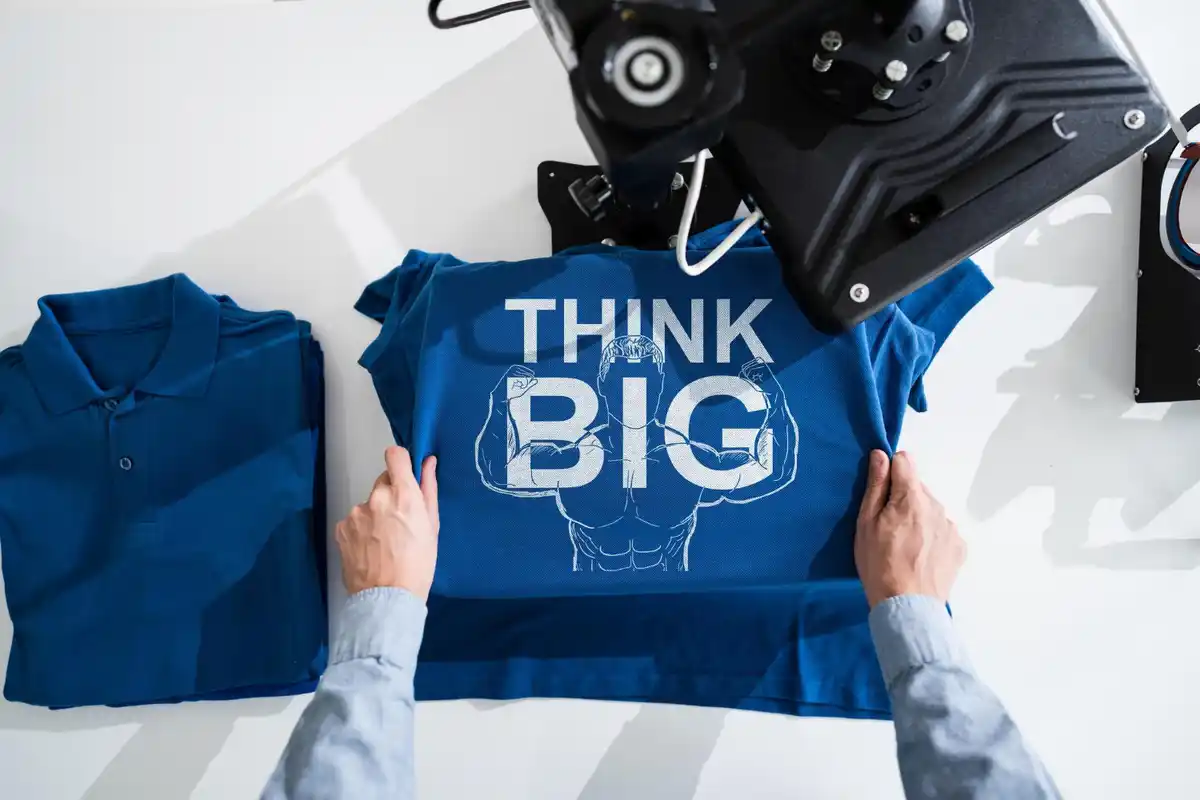
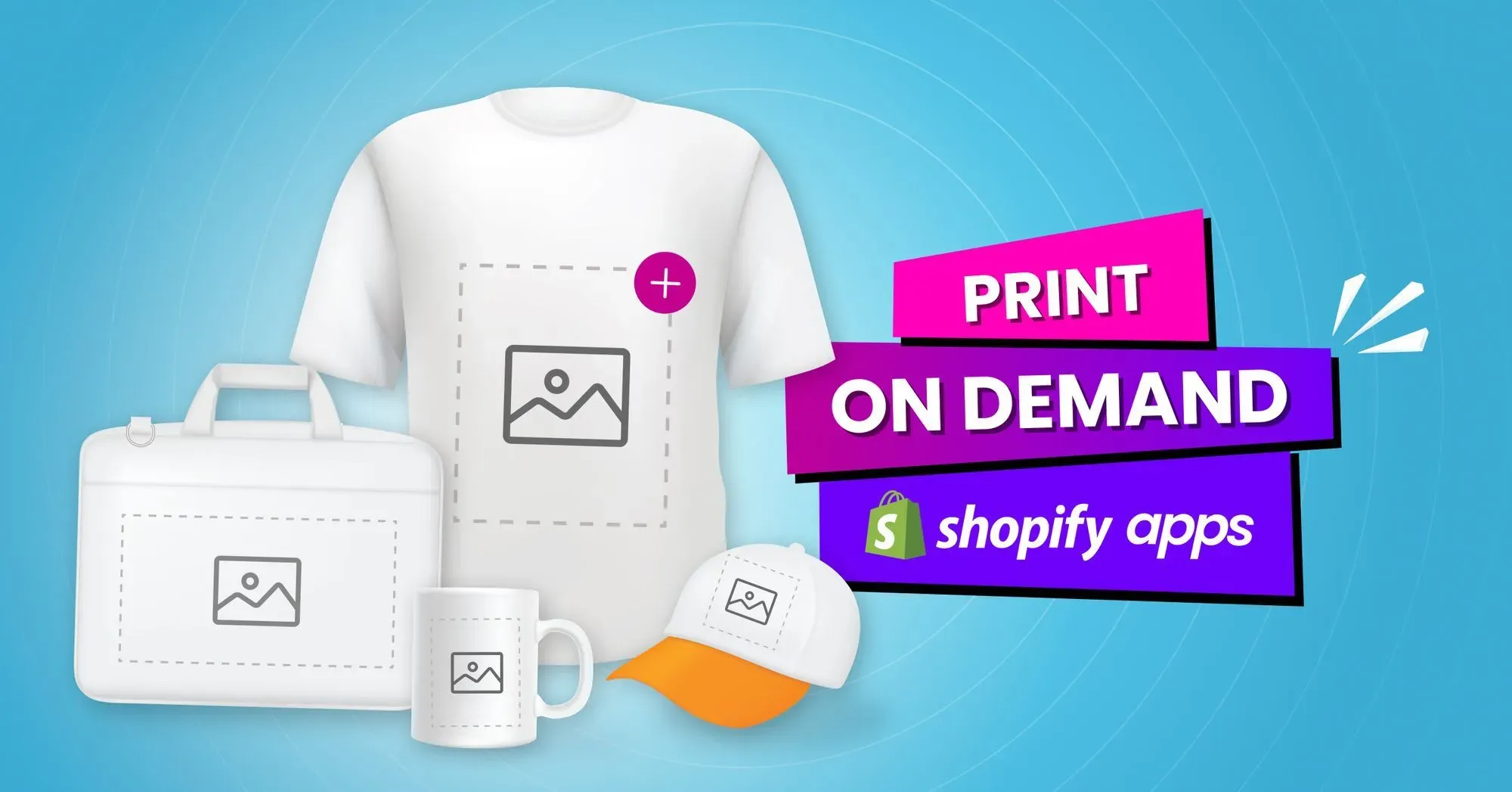
Print on demand apps have transformed how modern stores offer customized products without maintaining large inventories.By connecting your online storefront to printing partners, these apps handle the heavy lifting—from product templates to order routing and shipping labels—and the strength of print on demand integrations lies in automating catalog synchronization, dynamic pricing, and real-time order updates across channels.
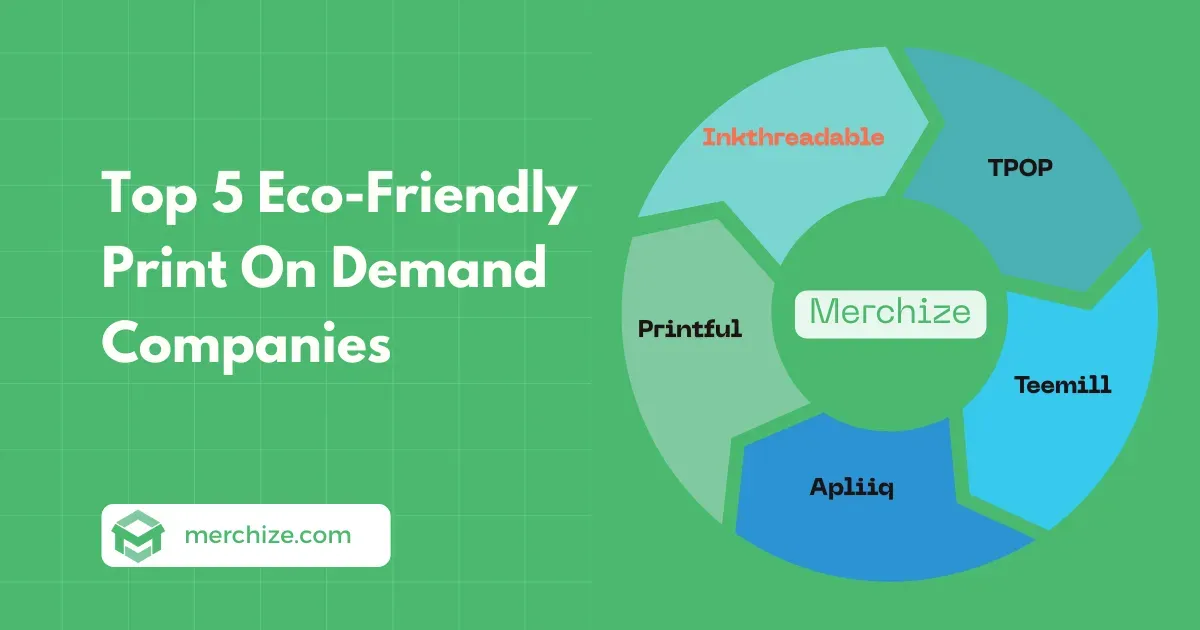
Eco-Friendly Print on Demand is not just a trend; it is a strategic commitment that can differentiate a creator in a crowded market.As online shopping grows, customers increasingly expect brands to take responsibility for their environmental impact, making sustainable packaging a top consideration.

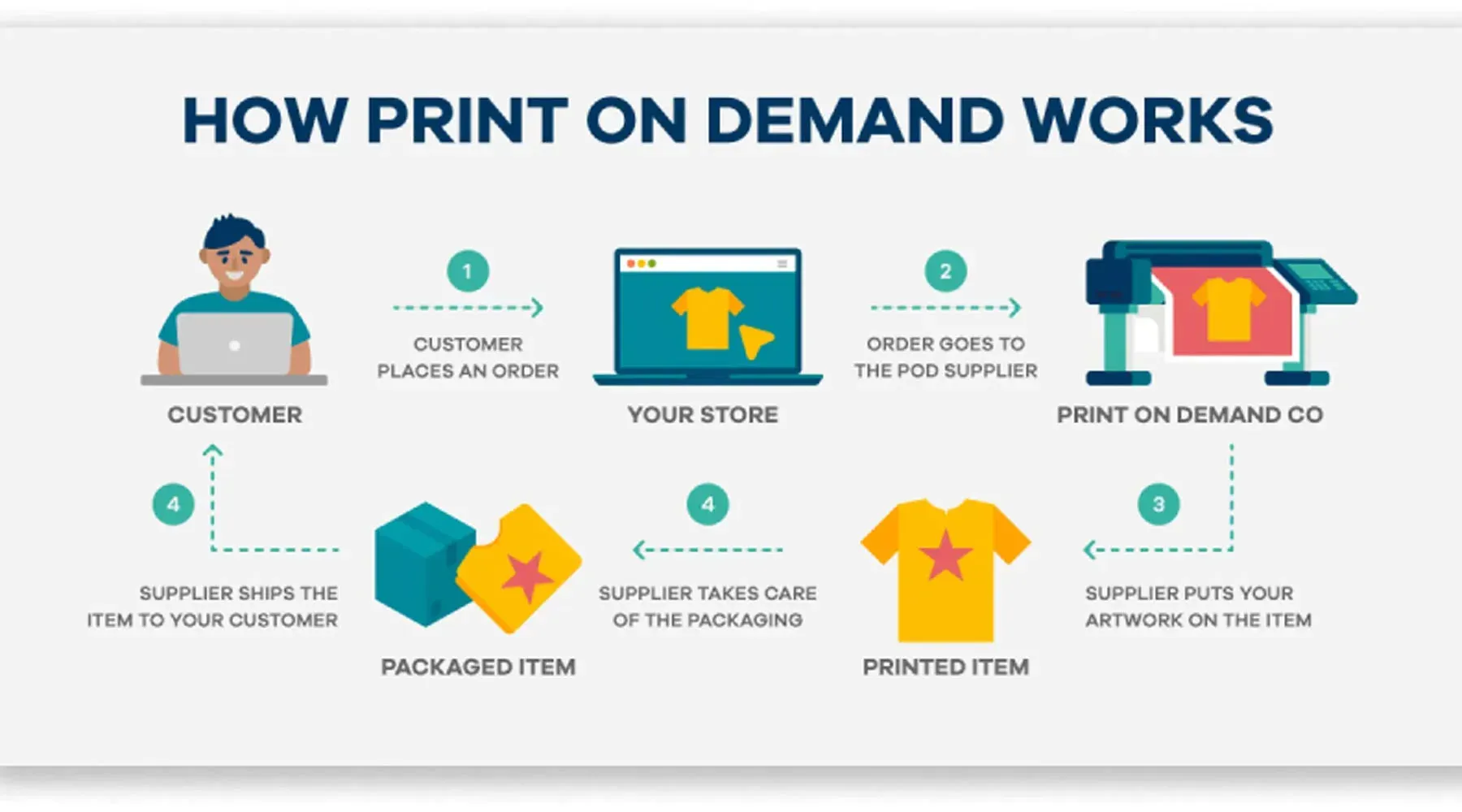
Print on Demand has transformed how creators bring ideas to life, letting them launch products without the burden of inventory.By printing only after a customer orders, it minimizes upfront costs and reduces the risk of unsold stock.
Print on Demand Marketing is the engine behind scalable growth for businesses that produce products only after an order is placed.Smart POD marketing strategies help you attract the right customers, reduce waste, and turn interest into verified sales.
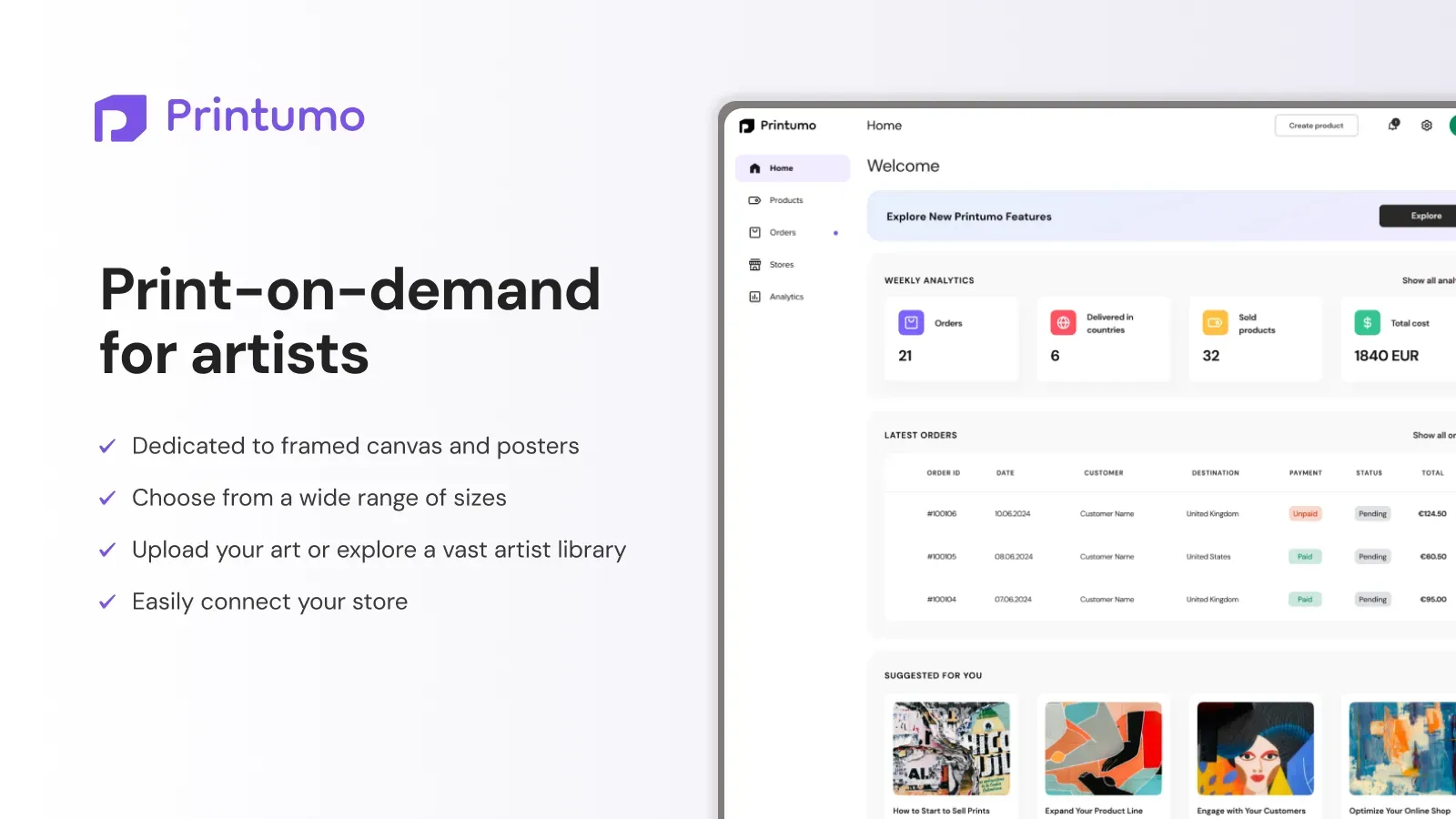
Print on Demand for Artists is a practical framework that lets creators turn sketches into market-ready products without inventory.With POD platforms for artists, you can reach a global audience while keeping full creative control.
Print on Demand Success begins with a clear strategy and a deep understanding of your audience.In today’s crowded ecommerce landscape, turning a clever idea into a scalable POD business requires more than luck.
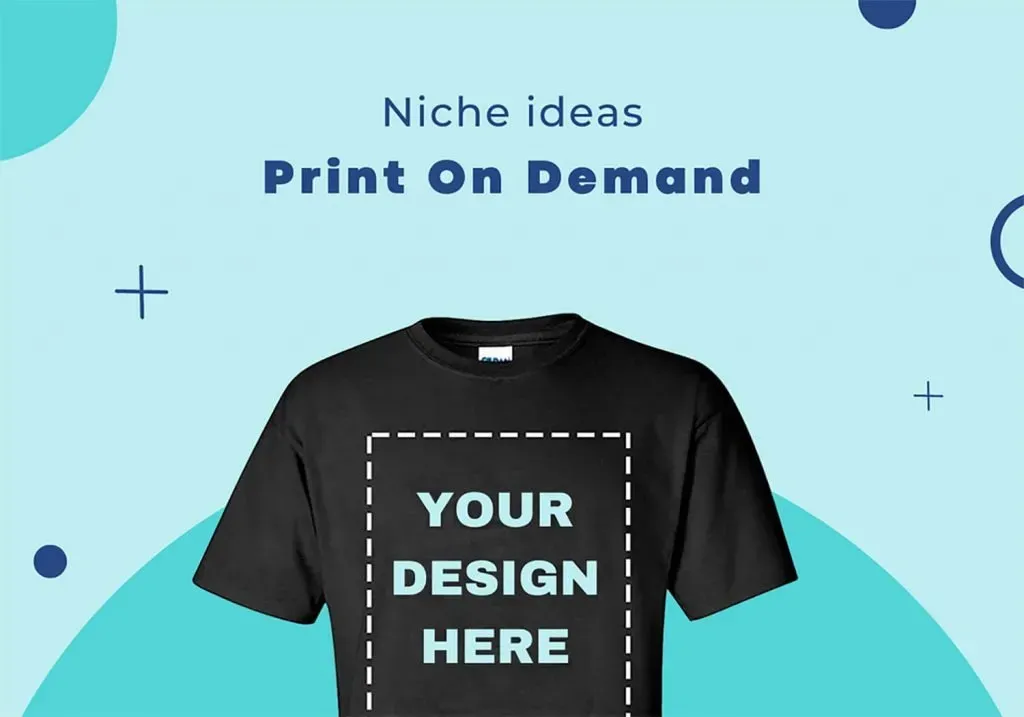
Print on Demand niche ideas are the compass for building a sustainable POD business in a crowded market.Choosing a focused niche reduces competition, improves margins, and makes it easier to optimize listings for search.
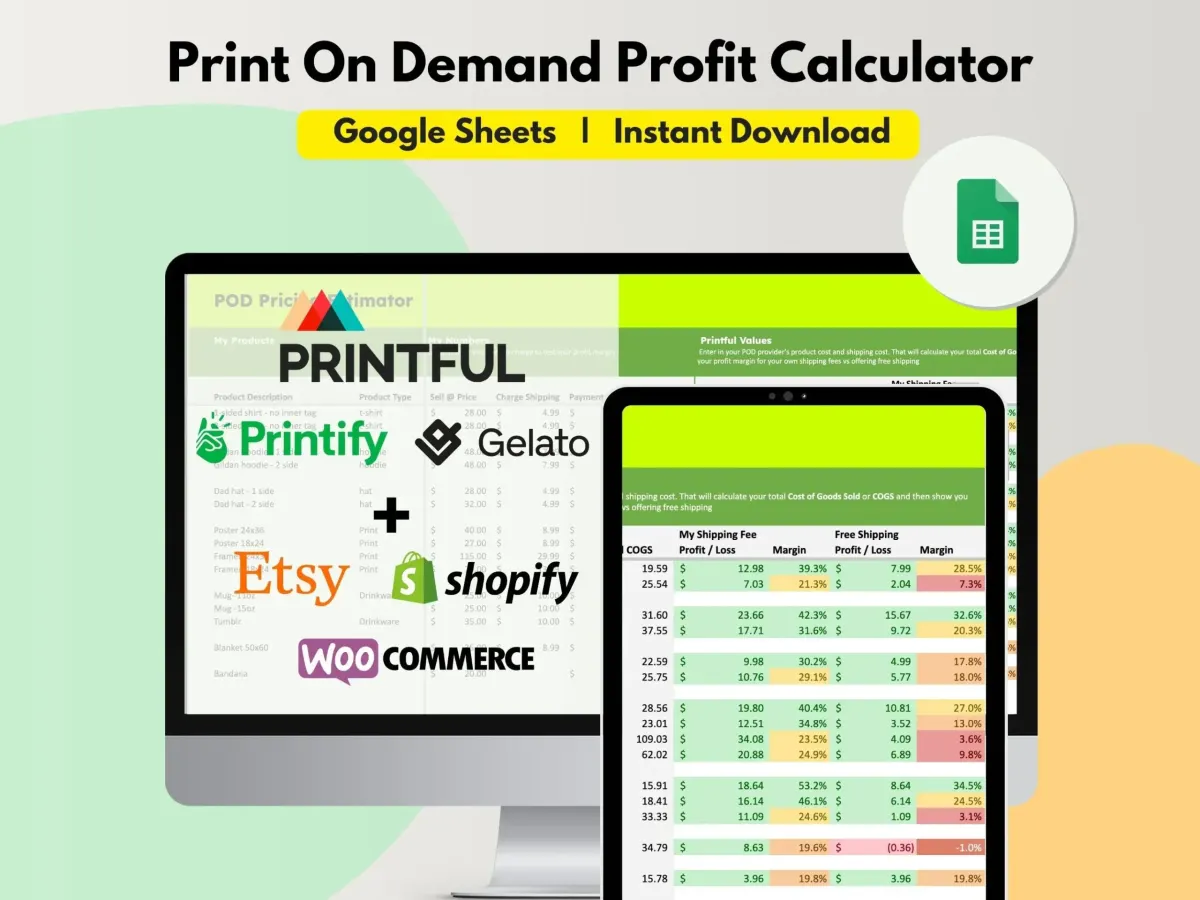
Print on Demand pricing for profit and volume is a strategic guide for turning every sale into sustainable growth.Pricing is one of the most powerful levers in a POD business, influencing POD profit margins and long-term scalability.
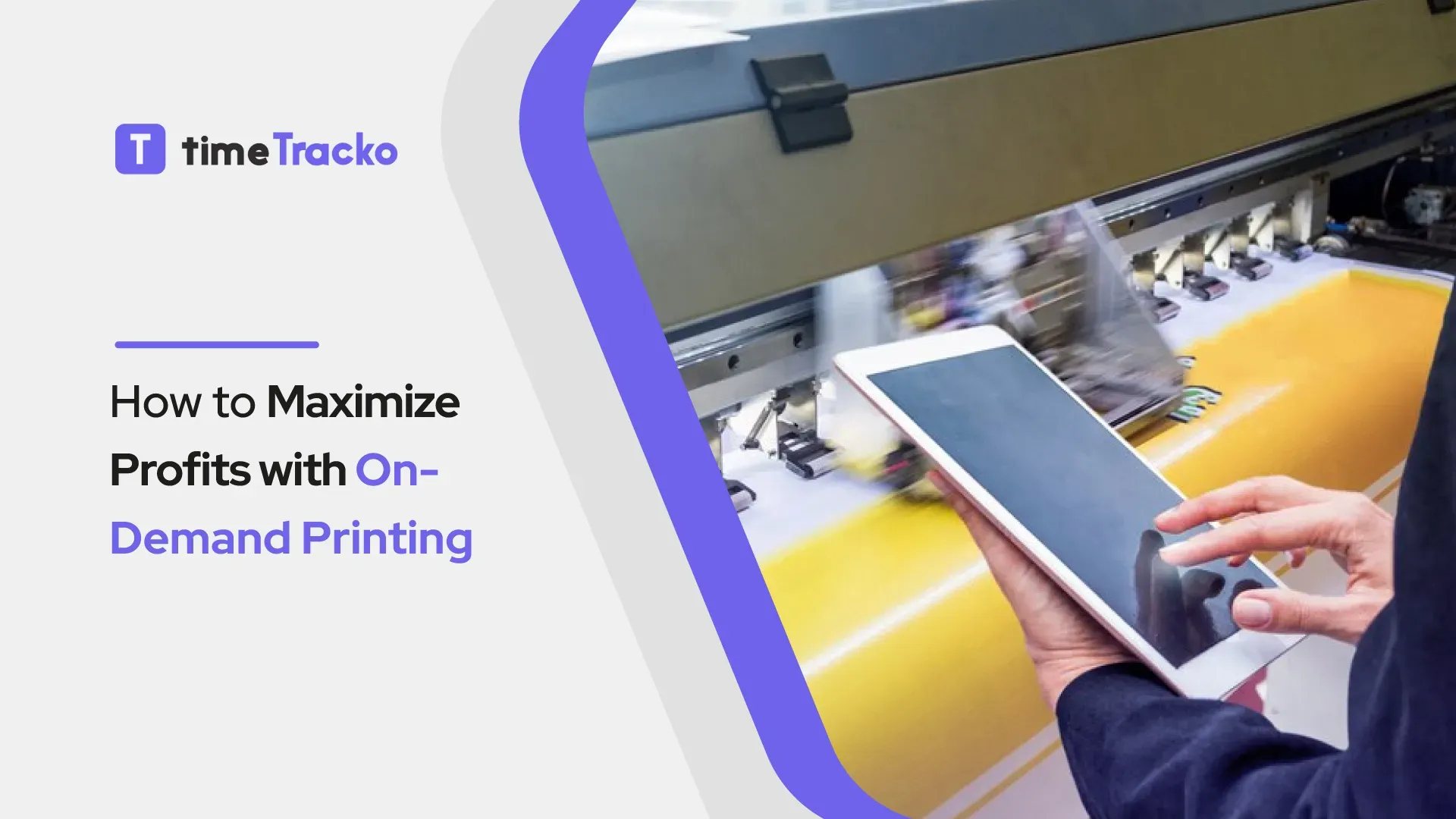
Maximizing Profit in Print on Demand is not a wish; it's a repeatable framework that helps brands grow margins while keeping customers satisfied.Smart pricing hinges on balancing perceived value with cost, and print on demand pricing strategies show you how.
Future of print on demand is reshaping how brands, creators, and retailers think about inventory, customization, and speed to market.As consumer expectations shift toward personalized products and rapid delivery, the POD model offers a flexible, scalable solution that reduces risk while expanding creative possibilities.
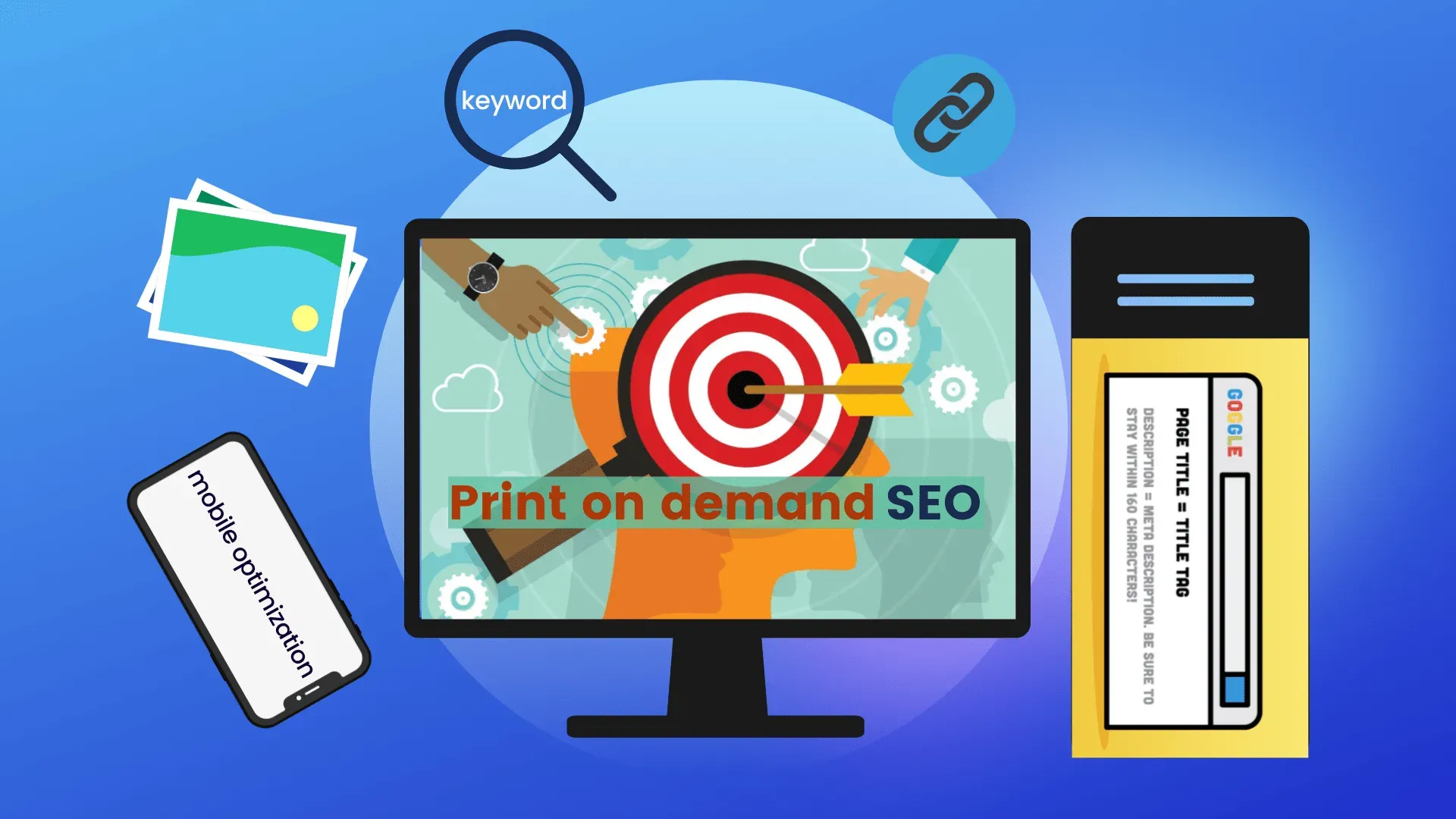
Print on Demand SEO is the compass that guides a POD store from obscurity to visibility in search results.This approach blends keyword research, on-page optimization, user experience, and credible linking to boost organic traffic for designs, niches, and products.
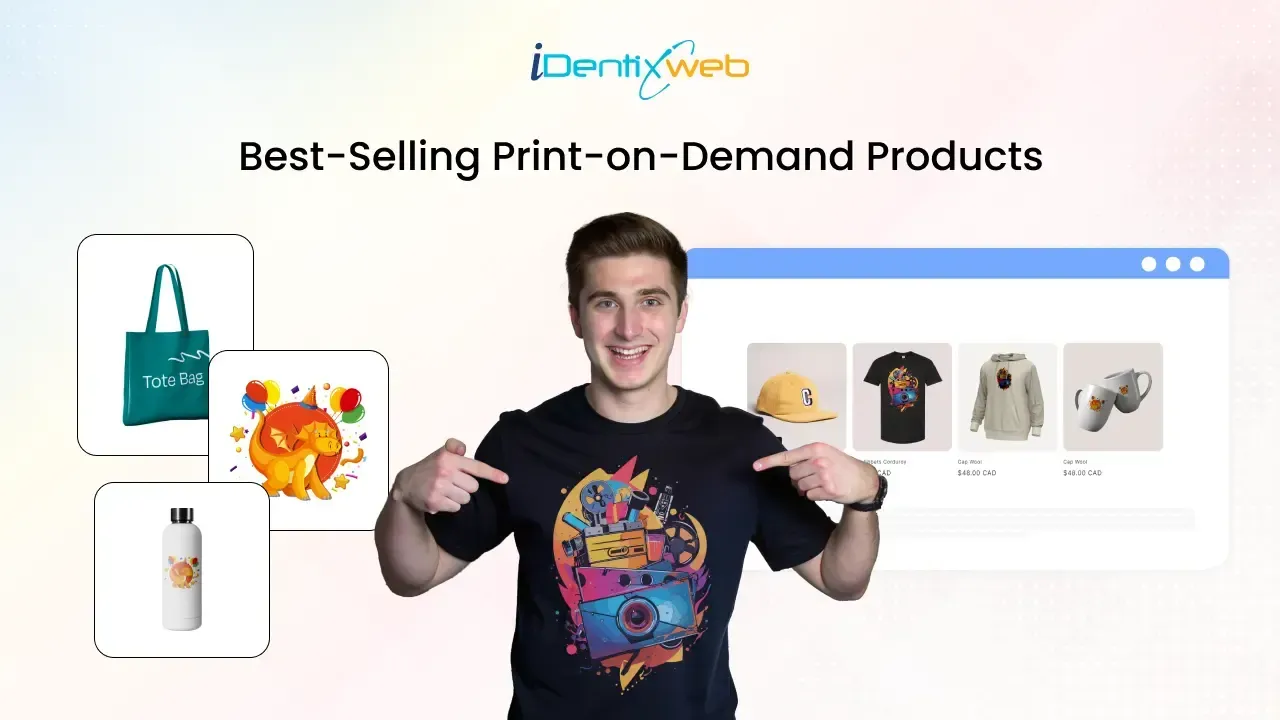
print on demand brands case studies reveal patterns that data alone can't show, offering practical lessons for aspiring creators, marketers, and designers seeking repeatable success in a crowded market, enabling them to craft more focused product lines, smarter launches, and durable brand value over time.In the world of POD, where new brands launch daily and competition is intense, a careful look at successful POD brands helps identify repeatable branding and growth moves that withstand shifts in consumer taste, seasonality, and platform dynamics.
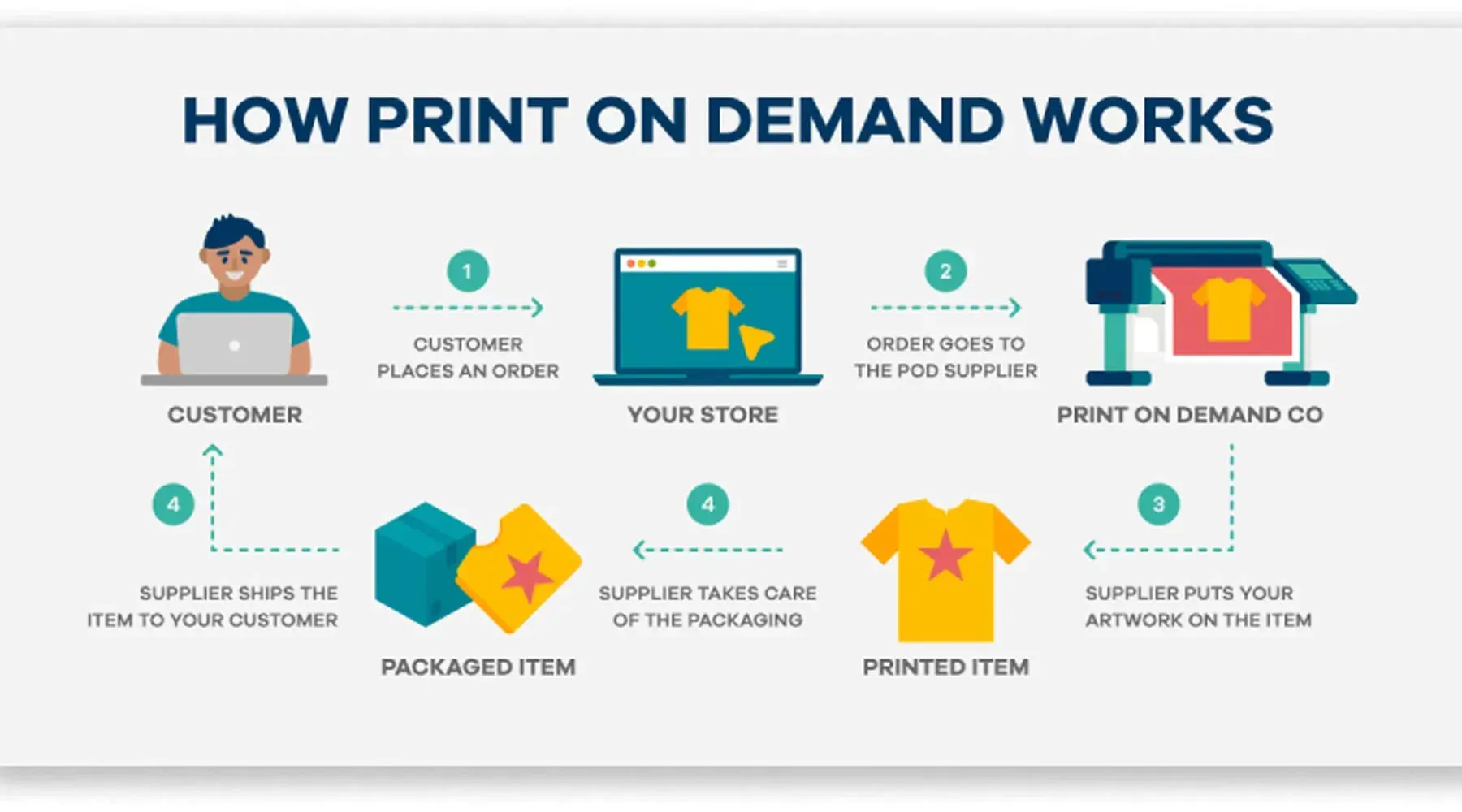
Print on Demand for Creators is a flexible, low-risk pathway that turns art and ideas into products with minimal upfront cost.For artists, designers, and makers, this model makes it easy to test designs, iterate with feedback, and monetize work, aligning with print on demand for artists.
If you're building a successful print on demand business, knowing print on demand product ideas that sell fast can dramatically shorten the path to revenue.Smart product selection blends print on demand ideas that sell with trends, turning fast-selling POD products into repeat customers.
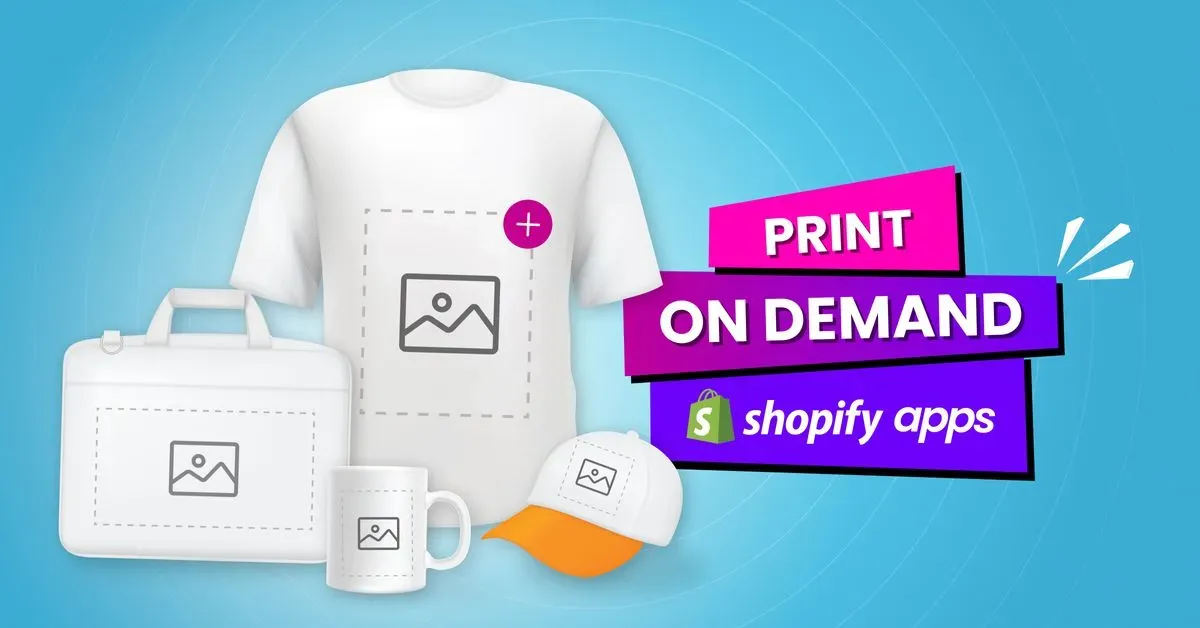
A scalable print on demand store starts with a clear strategy, robust systems, and disciplined execution.As you navigate custom products, this guide emphasizes scaling strategies that balance speed with quality, and shows how POD store automation can keep orders flowing smoothly.
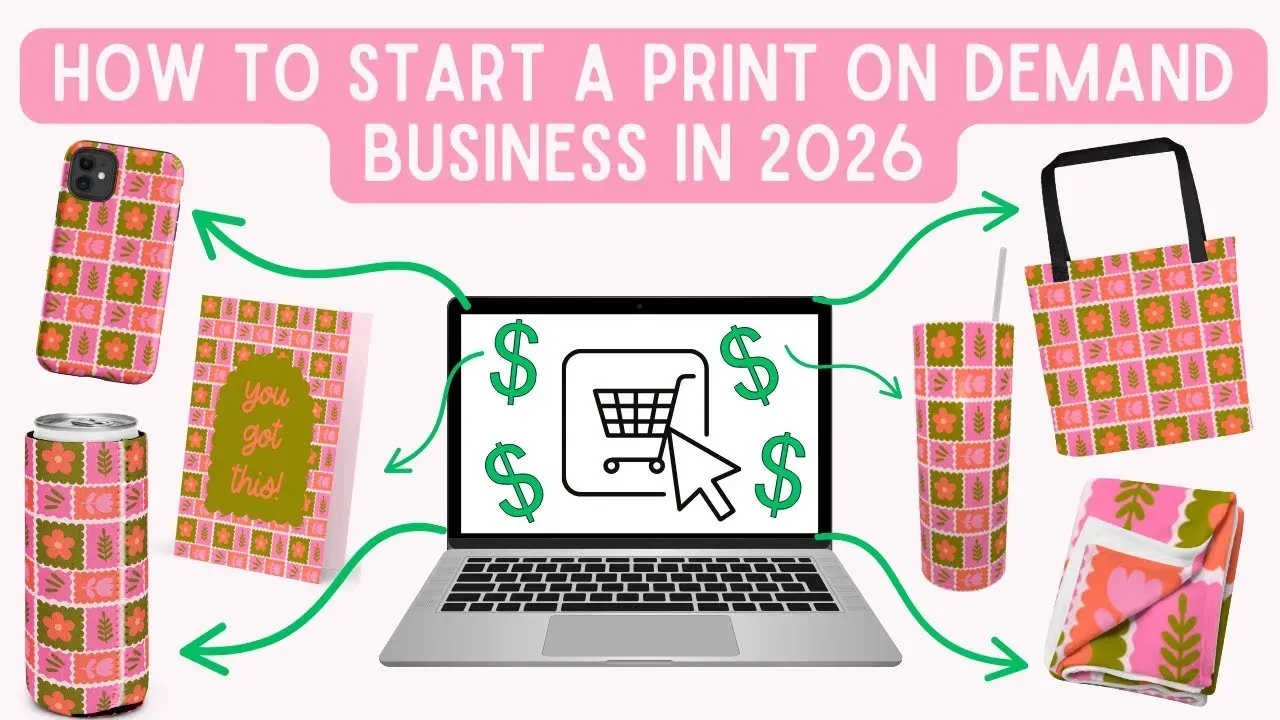
Print on Demand platforms 2026 have evolved into reliable, scalable solutions for creators, solo entrepreneurs, and growing brands across diverse niches and regions, enabling scalable testing for digital merchandise, apparel, accessories, and home goods across global markets.From the perspective of POD platforms 2026, the days of inventory risk and upfront manufacturing costs are fading as platforms refine their networks, improve print quality, shorten fulfillment times, and offer deeper integrations with storefronts, enabling smoother launches and iterative testing, while this shift also enables more niche experiments, seasonal drops, and strategic collaborations with creators, retailers, and marketplaces.
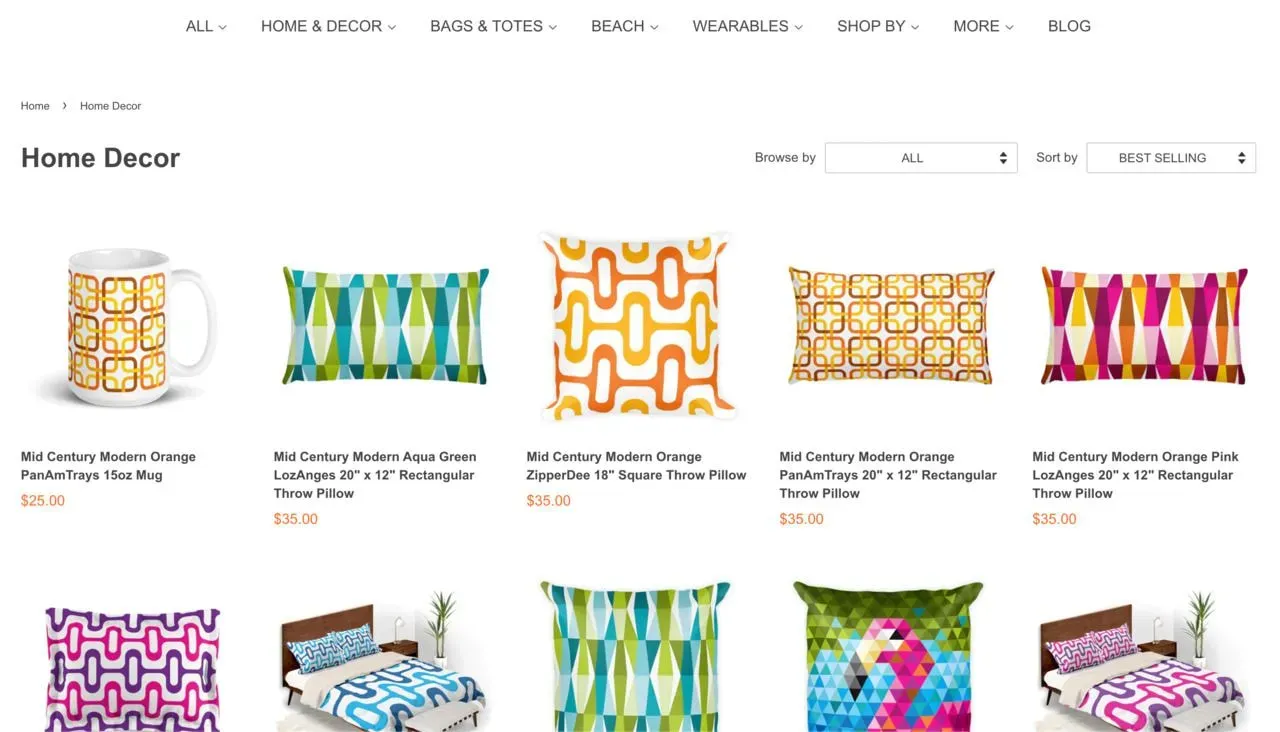
A print on demand store can turn a spark of an idea into a reliable, scalable income, offering the simplest, most flexible route.At its core, you design or curate graphics, partner with a trusted fulfillment network, and sell products without holding inventory; these POD store ideas can help you begin your journey.
A profitable print on demand brand starts with a clear niche, a compelling brand story, and a plan to scale with minimal upfront risk.This framework blends branding, product strategy, pricing discipline, and smart marketing to turn ideas into sustainable revenue.
Pricing Strategies for Print on Demand set the foundation for profitable, customer-friendly growth in a crowded market.In a POD business, margins hinge on price perception as much as on production costs, making print on demand pricing strategies essential to protect margins.