
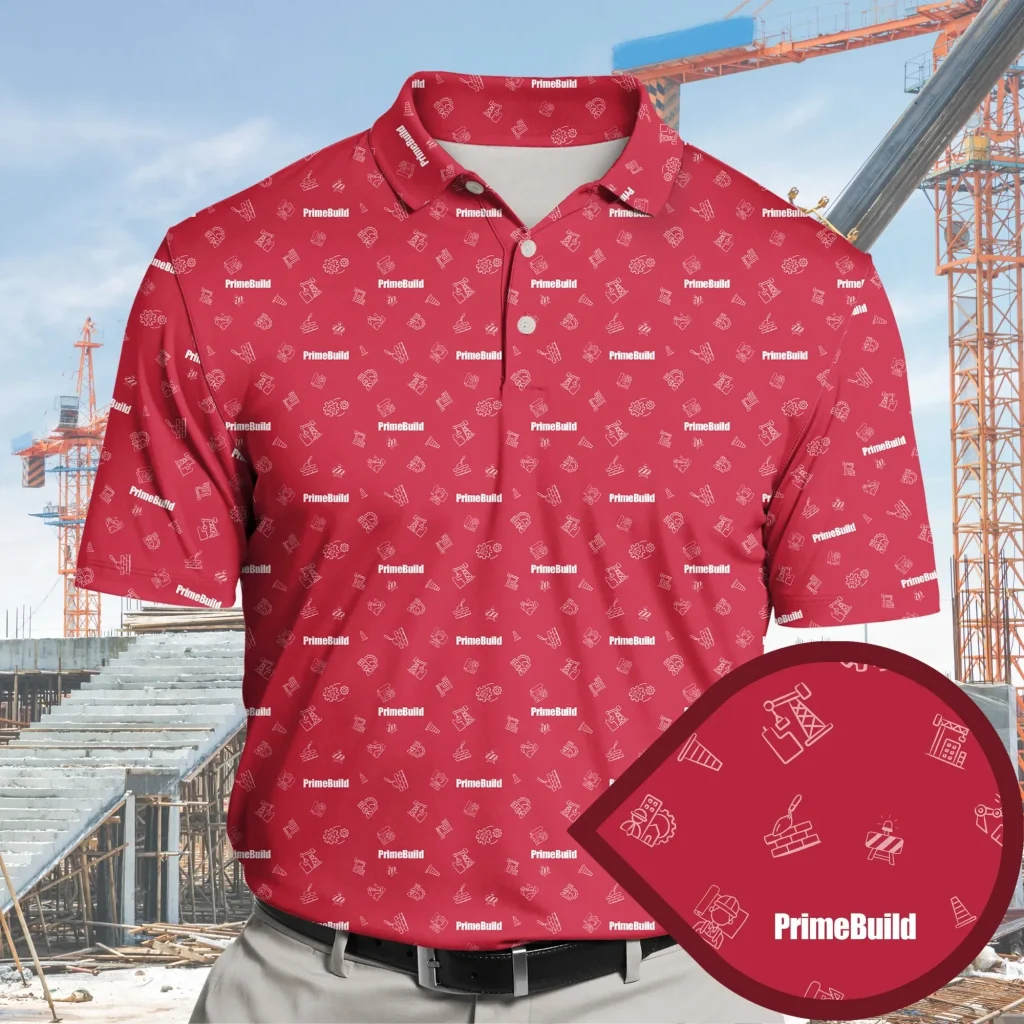
Fabric for custom shirts sets the tone for comfort, fit, and long-lasting wear. Understanding breathable fabrics for shirts helps you select options that stay cool and comfortable all day. This overview highlights the best fabrics for custom shirts while explaining fiber families, weaves, and finishes. We also compare cotton vs synthetic shirt fabric and discuss how shirt fabric weight and finish influence drape, wrinkle resistance, and care. Whether you’re designing formalwear or casual staples, the goal is a balanced choice that matches climate, use, and personal style.
Think of fabric selection as a material strategy rather than a trend. In other words, the garment material you choose for a bespoke shirt hinges on fiber type, weave, weight, finish, and care needs. Designers and makers should map climate, activity, and wear patterns before narrowing options. Natural fibers such as cotton, linen, and wool each offer a distinct hand—from soft, breathable comfort to crisp structure—while blends and synthetics provide durability and wrinkle resistance. For those weighing cotton against synthetic blends, consider how the fabric handles dye, moisture, and wrinkling under real-world conditions. Weight and finish play a central role in achieving the intended silhouette; lighter fabrics feel cooler, while heavier ones hold shape and resilience. To validate choices, order swatches, run wear tests, and compare drape, texture, and colorfastness across lighting and laundering cycles. The goal is a practical wardrobe solution that delivers comfort, easy care, and the look you want, whether the shirt is for business, travel, or weekend wear.
Understanding Fabric Families: Natural vs Synthetic for Shirts
Understanding fabric families is the first step to great shirts. When customers ask about the best fabrics for custom shirts, they’re weighing natural fibers against synthetics for comfort, durability, and care. Natural fibers such as cotton, linen, and wool bring breathability, temperature regulation, and a soft hand that many wearers prefer for daily or formal wear.
Synthetics and blends add wrinkle resistance, moisture-wicking, and durability that can be critical for travel, uniforms, or performance contexts. Blends—where cotton or linen meet polyester or nylon—often deliver a practical middle ground, balancing feel with care and versatility.
Cotton vs Synthetic Shirt Fabric: Choosing the Right Balance
Cotton vs synthetic shirt fabric: each offers distinct strengths. Cotton feels natural against the skin and handles dyes well, delivering a wide color range and a soft, breathable experience.
Synthetic fabrics, including polyester or blends, resist wrinkles, dry faster, and maintain shape in challenging environments. For many wardrobes, a cotton-rich blend offers the best of both worlds: comfort and easy care.
Breathable Fabrics for Shirts: Keeping Cool and Comfortable
Breathable fabrics for shirts are essential in warm climates or long days. Cotton remains inherently breathable, while linen offers exceptional air flow and a cooler feel.
Consider moisture-management blends such as cotton-modal or cotton-Tencel, which wick moisture away and stay comfortable over extended wear. The right breathable fabric depends on climate, activity level, and desired drape.
Weave, Weight, and Finish: How to Evaluate Shirt Materials for Your Brand
When choosing the fabric for custom shirts, weigh weave, weight, and finish. Weave types like poplin, broadcloth, Oxford, and twill each bring a distinct hand and drape.
Weight, usually measured in GSM or ounces per yard, controls warmth and stiffness. Finishes such as mercerization or pre-shrinking alter color uptake and feel, affecting how crisp or soft the shirt looks after washing.
Custom Shirt Fabric Guide: Testing, Swatches, and Real-World Wear
This custom shirt fabric guide helps you compare options, interpret specs, and sample fabrics before committing. Phrased perspectives like identifying the best fabrics for custom shirts help align product lines with customer expectations.
Swatches, wear tests, and real-world trials help move beyond the spec sheet; this reduces risk and aligns expectations. Implementing a swatch program or move-to-sample options lets buyers feel the fabric, assess weight and drape, and compare candidates before placing larger orders.
Practical Considerations: Climate, Use Case, and Care
Practical decisions connect fabric choice to climate and use-case; map weight and finish to seasons and activities, ensuring alignment with customer expectations and brand goals. Referencing shirt fabric weight and finish helps set clear product benchmarks for fall, spring, or year-round lines.
Care instructions, shrinkage potential, and colorfastness influence long-term appearance and fit. Providing clear care guidance, pre-shrinking options, and color-retention notes helps customers avoid surprises and maintain the shirt’s look after multiple washes.
Frequently Asked Questions
What are the best fabrics for custom shirts for everyday wear?
For everyday wear, the best fabrics for custom shirts are cotton-rich options and blends that balance softness, breathability, and care. Classic choices like poplin or broadcloth in cotton ensure a smooth hand and reliable drape, while blends with polyester or modal add wrinkle resistance and durability. Choose fabrics for custom shirts that match your climate and how often you wash them to maintain the look over time.
In a custom shirt fabric guide, how should I compare cotton vs synthetic shirt fabric?
A solid cotton vs synthetic shirt fabric comparison weighs comfort and performance: cotton offers natural breathability and dye uptake, while synthetics deliver wrinkle resistance and quick-dry behavior. A cotton-rich blend often provides the best balance for fabric for custom shirts, combining softness with added durability. Consider your climate, activity level, and care preferences when evaluating options.
Which breathable fabrics for shirts should I consider in fabric for custom shirts selection?
Breathable fabrics for shirts include 100% cotton, linen blends, and performance blends with modal or Tencel. For the fabric for custom shirts, prioritize fibers and weaves that promote airflow and moisture management in your climate. Swatch testing can confirm how breathability feels in real wear.
How do shirt fabric weight and finish influence the look and care of a custom shirt?
Weight affects drape, warmth, and wrinkles: lighter weights (roughly 90–120 GSM) feel cooler and crisper, midweights offer balance, and heavier weights provide structure and better crease resistance. Finish choices like mercerized cotton or pre-shrunk treatments influence color depth, durability, and care. Together, weight and finish help define the shirt’s silhouette and maintenance needs.
According to a custom shirt fabric guide, which weave and weight combinations work best for professional wear?
For professional wear, a smooth poplin or broadcloth weave in a midweight fabric (about 120–160 GSM) offers crisp drape and minimal wrinkling. A fine twill can add subtle texture while maintaining a polished look. Always consider pre-shrinking and a suitable finish to preserve color and fit.
Why are swatches important when selecting fabric for custom shirts, per the custom shirt fabric guide?
Swatches let you feel true weight, hand, and fall before committing to a large order, reducing surprises after tailoring. They also let you compare color, finish, and breathability across options in realistic wear conditions. Offering swatch kits or a sample program helps buyers make informed decisions with confidence.
| Aspect | Key Points |
|---|---|
| Fabric families overview},{ | |
| Cotton | Breathable, soft, versatile; varies by yarn, weave, and finish; durability is strong but certain weaves may wrinkle. |
| Linen | Very breathable and cool; matte texture; distinctive drape; wrinkles are typical; high-twist or blended linen can yield crisper looks. |
| Wool and wool blends | Lightweight wool/blends regulate temperature; smooth hand; good color retention and shape; suitable for cooler climates; less common in summer lines. |
| Silk and silk blends | Luxurious hand, sheen, and drape; delicate care; blends balance ease of care and cost while preserving luxury. |
| Synthetics | Polyester, nylon, and blends add wrinkle resistance, durability, and moisture-wicking; common in performance or travel shirts; blends balance comfort and performance. |
| Common weaves (and their look) | Poplin: tight plain weave, smooth and crisp; Broadcloth: similar but softer; Oxford: basket weave, textured and casual; Twill: diagonal with drape; Jersey/knit: stretch and soft hand. |
| Weight ranges | Light 90–120 GSM for summer; Mid 120–160 GSM balances structure and comfort; Heavy 160+ GSM for warmth and a defined silhouette. |
| Fabric finish | Mercerized cotton adds sheen and better dye uptake; pre-washed/pre-shrunk finishes reduce surprises; finishes affect crispness vs softness. |
| Cotton vs synthetic comparison | Cotton offers natural feel and dyeability; synthetics offer wrinkle resistance and faster dry times; blends (e.g., cotton-rich or poly-cotton) combine attributes. |
| Breathability considerations | Breathable fabrics regulate temperature; cotton and linen excel; blends with modal/Tencel or performance blends improve moisture management. |
| Practical considerations | Shrinkage risk with natural fibers; pre-shrink or care instructions mitigate risk; colorfastness; provide care guidelines. |
| Swatches and trials | Order small swatches and wear-test with typical customers; online orders can offer swatch kits or sample programs to compare weight and drape. |
| Communication and language | Frame recommendations with clear criteria: professional audiences value wrinkle resistance, color stability, and crisp drape; casual wear prioritizes softness, breathability, and layering. |
| Putting it all together | Choosing fabric for custom shirts means balancing fiber, weave, weight, finish, and care; cotton-rich blends often offer breathability and wrinkle resistance; align choice with climate, use case, and brand or personal style. |
Summary
In choosing fabric for custom shirts, designers balance fiber, weave, weight, and finish to meet climate and usage. Consider practical factors like shrinkage, colorfastness, and care guidelines to set expectations. Swatches and wear tests help translate specs into real-world performance. A well-chosen fabric supports comfort, durability, and the intended aesthetic of your shirts. Fabric for custom shirts should align with climate, activity, and brand or personal style, ensuring your shirts perform as good as they look.