
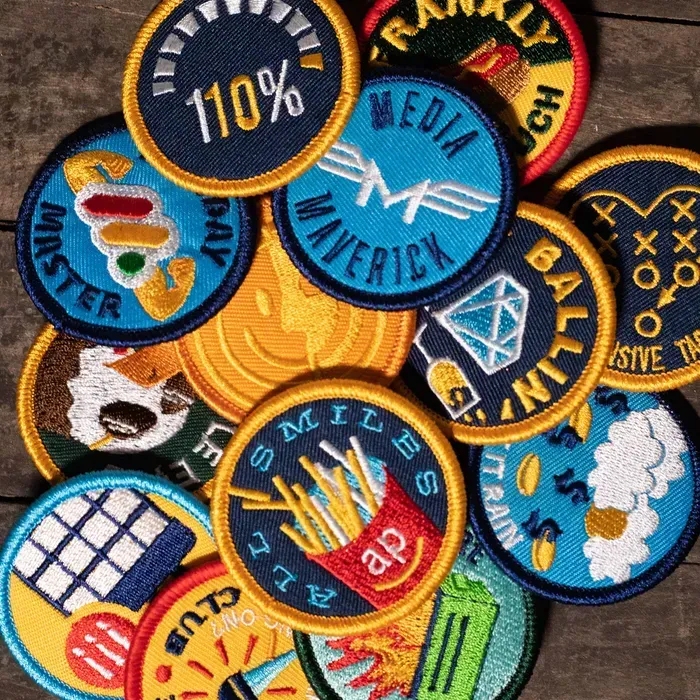
Custom patches have become a powerful way to broadcast identity, reward achievement, and boost brand visibility. From sports teams to clubs and brands, patches carry a logo and story onto fabric with lasting impact. This quick guide covers choosing the patch type, translating artwork for wear, and the convenience of order patches online. Understanding how artwork translates to fabric helps you balance detail, readability, and budget so your patches look great and wear well. Whether you’re launching a program or refreshing an existing lineup, patches can become durable, recognizable symbols.
Think of patch terminology as badge customization across apparel, where fabric emblems and stitched insignias convey a story at a glance. Designing these accents involves choosing materials like woven, embroidered, or PVC forms to suit usage and mood on garments. The production workflow—from artwork prep through digitizing, color matching, and finishing—ensures consistent results for brands and teams. For buyers, online ordering remains straightforward, with clear proofs, scalable options, and dependable delivery timelines.
Frequently Asked Questions
What are the main types of custom patches and when should I choose embroidered patches versus PVC patches?
Custom patches come in several forms. Embroidered patches are the classic, durable option great for bold logos and text. PVC patches offer a rugged, 3D look with bright colors and weather resistance, ideal for outdoor use. Woven patches provide finer detail for intricate logos. Choose based on design complexity, use case, and budget.
How does the patch design process work for custom patches from concept to production?
The patch design process starts with a brief and concept, then artwork refinement to simplify elements for patch translation. Next, decide between embroidery digits or PVC molding, followed by digitizing or molding, proofs for color and size, and final production approval. Clear communication with your vendor ensures the final patches match your vision.
What should I know when ordering patches online to ensure quality and on-time delivery?
When ordering patches online, get multiple quotes and compare MOQs, setup fees, and lead times. Request pre-production proofs and, if possible, a physical sample. Confirm backings (iron-on, sew-on, Velcro), color matching across batches, and shipping options to keep delivery on schedule.
How can I ensure color accuracy across batches for embroidered patches and PVC patches?
Color accuracy is best managed with Pantone color matching and clear guidance on thread counts for embroidery and molded colors for PVC. Request proofs for each batch, and specify close color matches and acceptable variances to maintain consistency across orders.
What backing options are available for custom patches and which should I choose for different garments?
Backing options include iron-on, heat-seal, sew-on, and Velcro. Iron-on is convenient for uniforms but may loosen with heat or washing; sew-on backs are durable for all fabrics; Velcro backs allow removable patches for interchangeable looks. Choose based on garment type and maintenance needs.
What costs, timelines, and considerations are involved in the patch design process from concept to delivery?
Costs typically include a one-time digitizing or tooling fee, plus per-piece pricing based on patch type, size, and color count. Plan for proofs, lead times, and shipping. Understanding the patch design process helps manage budget and timing from concept to delivery.
| Patch Topic | Key Points |
|---|---|
| Patch Types and Strengths | Embroidery: durable, affordable at scale; clean lines for bold logos/text. Woven: finer details and small text; sleeker look with less texture. PVC: durable, 3D designs; bright colors; weather-resistant; easy to clean. |
| Choosing the Right Patch Type | Depends on design complexity, budget, and usage. In some cases, you may combine patch types in one project for a unique look. |
| Design Essentials | Size/shape; Colors and color matching; Typography; Logos and simplicity; Backing options and installation. |
| Digitizing, Files, and Production Realities | File types; Digitizing costs and stitch counts; Color management; Print-ready options for woven/PVC. |
| Sizing, Shape, and Backing Details | Size matters; Shape considerations; Backings: iron-on, heat-seal, sew-on, and Velcro. |
| From Design to Production | 1) Brief and concept; 2) Artwork refinement; 3) Digitizing/molding plan; 4) Proofing; 5) Final production. |
| Ordering Patches | Get multiple quotes; Request proofs and samples; Confirm backings and care instructions; Plan for color matching; Packaging and labeling. |
| Costs, Budgeting, and Lifecycle | Setup fees; Per-piece pricing; Shipping and duties; Lifecycle planning for evolving designs or recurring events. |
| Use Cases and Real-World Scenarios | Teams and clubs; Brands and events; Schools and organizations. |
| Choosing the Right Patch Partner | Experience with patch types/backing; portfolios and testimonials; sampling, proofs, and workmanship warranty; lead times and MOQs. |
| Care, Maintenance, and Longevity | Follow care instructions for embroidered/woven to prevent fraying; PVC is easy to clean but avoid harsh solvents; store patches to prevent distortion. |
Summary
Conclusion: Custom patches are a versatile way to communicate identity, achievement, and brand storytelling. By understanding patch types—from embroidered to woven to PVC—and following a thoughtful design and production workflow, you can translate a logo into a high-quality, durable accessory. Choosing the right patch partner, managing color and sizing, and reviewing proofs helps keep costs predictable and delivery reliable. Whether outfitting a sports team, supporting a club, or promoting a brand, Custom patches extend reach and foster belonging long after the season ends. Ready to start your patch project? Gather artwork and preferences to begin from concept to wearing proudly.