
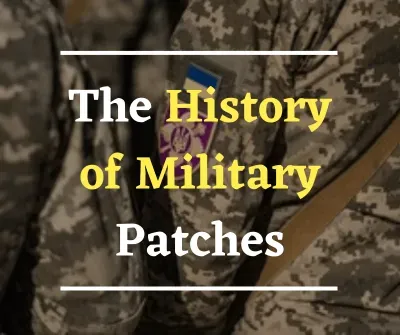
History of patches is a record of identity and allegiance that has traveled from military insignia to streetwear. From practical markers such as unit identifiers and ranks, military patches became portable symbols you could carry beyond the field. Over time, embroidered textiles transformed into wearable badges, enabling personal storytelling to move from service life to civilian wardrobes. Today, patches pepper denim jackets, backpacks, hats, and bags, linking long-standing service heritage with contemporary fashion sensibilities. This article traces their evolution, why they matter as design objects, and how collectors and casual wearers alike participate in a vibrant patch culture for enthusiasts around the world.
Seen through the lens of badge culture and textile insignia, the conversation around patches expands beyond clothing. What began as unit marks and rank emblems evolved into sewn art forms and wearable signals that communicate identity, trust, and personal history. Designers and hobbyists alike use fabric badges, memory marks, and patch-inspired badges to tell stories without words. The broader patch ecosystem includes vintage insignia, modern collaborations, and DIY pieces that reflect social movements, music scenes, and street fashion. Because these patches live on jackets and bags, they function as portable narratives that collectors curate over time.
Frequently Asked Questions
What is the History of patches and how did military patches lay the foundation for modern designs?
The History of patches begins in military life where patches conveyed unit, rank, and campaigns. These durable insignia established identity, craftsmanship, and provenance, foundations that later carried into embroidered patches worn in civilian life.
How did patch design evolution influence the rise of street style patches from embroidered patches?
Patch design evolution moves from hand-stitched insignia to machine embroidery and digital design, expanding color, detail, and backing options. This enabled embroidered patches to become street style patches with bold typography and graphic logos, linking military heritage with fashion.
Why did the History of patches shift from strictly military patches to civilian fashion and street style patches?
The History of patches shifted as civilians embraced patches as symbols of resilience, personal narrative, and DIY culture. Denim jackets and streetwear became canvases for patches, expanding from military patches to embroidered patches and street style patches.
What role does patch collecting play in understanding the History of patches?
Patch collecting preserves provenance and context, turning designs into a mapped history. Collectors track the evolution—from military patches to embroidered patches and urban street style patches— and build themed portfolios that reveal design choices and cultural moments.
How does patch design evolution today reflect differences between embroidered patches and street style patches?
Today, patch design evolution spans materials, backing, and form; embroidered patches offer texture and heritage, while street style patches emphasize oversized graphics and rapid customization.
What care and display tips help preserve patches for patch collecting and deepen the History of patches?
Store patches in a cool, dry place away from direct sunlight; use archival sleeves or a patch wall for display. For patch collecting care, rotate worn patches and repair loose threads promptly to preserve color, stitching, and fabric, keeping the History of patches alive.
| Aspect | Key Points |
|---|---|
| Origin and Purpose | Patches began as practical markers on uniforms to convey unit identity, rank, and achievements; designed to be durable and legible in field conditions. |
| Early Practicality and Durability | Initially sewn with robust thread on sturdy fabric using hand stitching or simple embroidery, creating durable badges that endure long marches and weather. |
| Language of Belonging and Cohesion | Patches became symbols of loyalty and identity, standardized over time to aid recognition and foster unit cohesion. |
| Design Evolution | From hand-stitched insignia to machine embroidery and digital design, with shifting materials from wool and canvas to twill, PVC, and iron-on options. |
| From Factory Floors to Fashion Runways | Civilians adopted patches in mid-20th century; patches moved into fashion, denim jackets as canvases, and streetwear as a form of personal expression. |
| Patch Types and Materials | Embroidered, PVC, and Velcro-backed patches, each with distinct textures and attachment methods. |
| Street Style and Pop Culture Influence | Patches became social signals and storytelling devices in music, sports, and politics, evolving into bold, expressive graphics. |
| Modern Patch Economy and Collecting | A thriving ecosystem of brands, DIY patches, limited-edition drops, and sustainability-minded practices; collectors seek provenance. |
| Care and Display | Proper storage, display, and gentle cleaning protect color, stitching, and backing to maximize longevity and storytelling value. |
Summary
History of patches shows how a practical tool evolved into a language of identity and style, bridging military heritage with fashion, DIY culture, and global streetwear. This evolution highlights craft, storytelling, and provenance, as patches move across jackets, bags, and everyday wear, inviting collectors and wearers to curate personal narratives through material choices such as embroidery, PVC, and Velcro.