
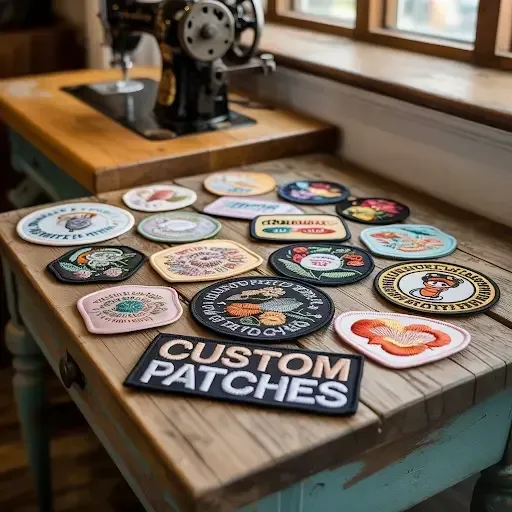
Patch collection for beginners is a fun, accessible hobby that blends history, art, and personal memory. If you’ve ever admired a patch on a jacket or backpack and wondered how to start patch collection, you’re in the right place. This guide walks you through clear steps and practical tips, showing you how to organize, display, and care for patches without feeling overwhelmed. Starting with a small, focused group of patches helps you learn what you love and why it matters. As you grow, you’ll discover that the journey is as rewarding as the patches themselves.
From a different angle, this hobby can be described as an insignia archive or badge collection for novices, where each piece records a moment in time. Think of it as a portable memory cabinet you curate on a shelf, in a binder, or on a wall. You’ll notice related ideas like memorabilia curation, enamel patch collecting, and event patches weaving into your learning curve as you expand your interests.
How to start patch collection: a practical blueprint for beginners
Starting a patch collection can feel overwhelming, but the key is to begin with a clear focus and small, meaningful choices. For how to start patch collection, pick a theme—music festival patches, travel mementos, vintage enamel designs—and commit to a handful of pieces you truly love. This keeps the process enjoyable and helps you learn what draws you to certain styles without becoming overwhelmed by a large pile of options.
With a concrete aim in mind, you can build a starter catalog and set a practical budget. Begin with 3–5 patches that you genuinely love, note where they came from, their year, and their size, and photograph them. This practical setup mirrors the steps in the guide and creates a sustainable path toward a growing, curated collection rather than a random assortment of designs.
Patch display ideas: building a visual story with your patches
Patch display ideas offer ways to turn your patches into a visual narrative. Framed displays, cork boards, and shadow boxes let colors and textures shine while protecting the fabric from dust and sunlight. A well‑thought display can transform a casual hobby into a personal gallery, revealing the stories behind your patches as you rotate items and group them by event, year, or theme.
Begin with simple options that fit your space and budget, such as a corkboard or a binder with acid-free sleeves. Label patches with origin or year to help you remember the context, and consider adding light‑weight wall frames or a travel display for conventions and meetups. As your collection grows, you can experiment with larger displays that evoke a museum‑like sense of arrival.
Patch storage solutions: protecting your patches for the long term
Patch storage solutions focus on protecting fabric and ink from sunlight, humidity, and wear. Use acid-free sleeves and breathable storage to keep patches flat and intact. The idea of patch storage solutions is a reminder that good materials—like lignin-free paper and UV‑filtering glass—extend the life of your collection.
Group similar items in labeled archival boxes or binder pages so you can locate what you need without exposing patches to the elements. Keep a simple reference log and back up digital photos; climate‑controlled storage or desiccants can be helpful in humid environments. Consistent organization reduces damage risk and makes it easier to curate future acquisitions.
Beginner patch collecting tips: practical steps to grow your hobby
Beginner patch collecting tips emphasize patience and focus. Avoid impulse buys and stay aligned with your chosen theme to ensure each addition strengthens your narrative rather than cluttering the shelf.
Seek reputable sources, prefer official events or established collectors groups, and rotate displays to keep things fresh. These practical steps support sustainable growth and help you avoid common mistakes while you learn what details matter most in a patch’s provenance and design.
Patch collecting for beginners: building a focused, sustainable habit
Patch collecting for beginners is really about building a focused, sustainable habit. Establish a routine—set a monthly goal for acquiring a single meaningful patch, document it in your catalog, and review your display periodically. A steady cadence makes ongoing collecting enjoyable rather than exhausting.
Your habit can evolve from a simple stash to a curated journey. Practice consistent cataloging and plan future acquisitions by theme, year, and source. Over time, your attention to detail will improve, and your collection will tell a richer story about the places you’ve been and the moments you’ve captured.
Defining themes and priorities: choosing a coherent collection
Defining themes and priorities helps you choose patches with intention rather than quantity. Start with a broad yet manageable focus—regional patches, bands you love, or travel memories—and refine your scope as you learn what pieces fit your evolving story. This aligns with your goal to understand how to start patch collection and stay focused.
Set thresholds for value and condition, and create a plan for growth that suits your budget. A clear priority list prevents decision fatigue at flea markets or online auctions and helps you build a small, meaningful core you’re proud to display.
Starter catalog and inventory basics: organizing patches efficiently
Starter catalog and inventory basics help you organize efficiently. Create a simple template—patch name, origin, year, size, material, condition, and a photo—to capture essential context.
Photograph patches in natural light with neutral backgrounds and keep digital backups. A well‑maintained catalog makes future displays and patch storage decisions easier, reduces the risk of buying duplicates, and helps you track provenance over time.
Budget-friendly patch collecting: starting small and growing smart
Budget-friendly patch collecting focuses on starting small and growing smart. Define a monthly budget and resist market splurges; prioritizing quality over quantity helps you build a durable, enjoyable collection.
Consider trading with other collectors or attending local meetups to expand your patch horizons without breaking the bank. This approach aligns with beginner patch collecting tips and encourages sustainable, community‑driven growth.
Displaying patches on a budget: affordable ways to showcase
Displaying patches on a budget explores low‑cost methods to showcase your growing archive. Use binder sleeves, cork boards, or a wall‑mounted grid to create an appealing display that’s easy to update.
Invest in good lighting and consistent spacing to improve readability and color accuracy. Simple, affordable solutions let you enjoy your collection while you plan more ambitious exhibitions later.
Preserving vintage patches: safety and care tips
Preserving vintage patches focuses on care and safe storage. Keep them away from direct sun, heat, and moisture, and use archival materials to slow fading and fiber deterioration.
Handle patches gently, store backings flat, and label carefully. Regular checks for signs of wear let you intervene early, ensuring your patch collection stands the test of time.
Frequently Asked Questions
How to start patch collection for beginners?
To begin patch collection for beginners, start with clarity: choose a focused theme (e.g., music festivals, travel patches, or vintage enamel designs) and start with 3–5 patches you truly love. Learn basic patch types (woven, embroidered, printed) and note their size range. Create a simple catalog (patch name, origin, year, size, condition, photo) to track what you own and why you chose it.
What are patch display ideas for patch collection for beginners?
Patch display ideas for beginners include framed collages with UV-protective glass, cork boards or pegboards for easy rearrangement, and shadow boxes for a premium look. Use labels to add context (origin, year) and arrange by theme or year to tell a visual story. For small patches, binder sleeves in a ring binder offer an inexpensive, accessible option.
Which patch storage solutions work best for beginner patch collecting tips?
Patch storage solutions for a beginner patch collection include acid-free sleeves and binders to protect patches, archival boxes with dividers for organization, and careful placement to avoid light and humidity. Store patches flat to prevent creases and label each container with its theme or year. A simple routine of regular checks keeps patches in good condition and easy to locate.
What beginner patch collecting tips should I know when starting patch collecting for beginners?
Beginner patch collecting tips: set a theme and a modest budget, start with 3–5 patches you love, and avoid impulse buys. Buy from reputable sellers or event organizers to minimize fakes, rotate displays to keep interest, and document every acquisition in your catalog. Connect with other collectors for advice and opportunities.
How to choose a theme for patch collecting for beginners?
How to choose a theme for patch collecting for beginners? Start with what excites you: hometown patches, bands, travel, or clubs. A clear focus helps you evaluate patches, avoids duplicates, and guides your display and storage decisions. You can start broad and refine your theme as your collection grows.
How can I catalog and track patches in a patch collection for beginners?
Catalog and track patches in a patch collection for beginners by using a simple template: patch name, origin or event, year, size, material, condition, source, price, and a photo. Keep terminology consistent (e.g., 1-inch woven, 2.5-inch embroidery) and photograph backs for provenance. Back up digital records and review your catalog as you add new patches to guide displays and storage.
| Section | Key Points |
|---|---|
| Introduction |
|
| How to start patch collection: Define your focus quickly |
|
| How to start patch collection: Start small and intentional |
|
| How to start patch collection: Learn basics |
|
| How to start patch collection: Track acquisitions |
|
| Step-by-step approach: Decide on a theme or source |
|
| Step-by-step approach: Set a budget and a scale |
|
| Step-by-step approach: Build a starter catalog |
|
| Step-by-step approach: Source thoughtfully |
|
| Step-by-step approach: Accept wear and teardowns |
|
| Patch display ideas |
|
| Patch storage solutions |
|
| Cataloging and record-keeping |
|
| Beginner patch collecting tips |
|
| Common beginner mistakes |
|