
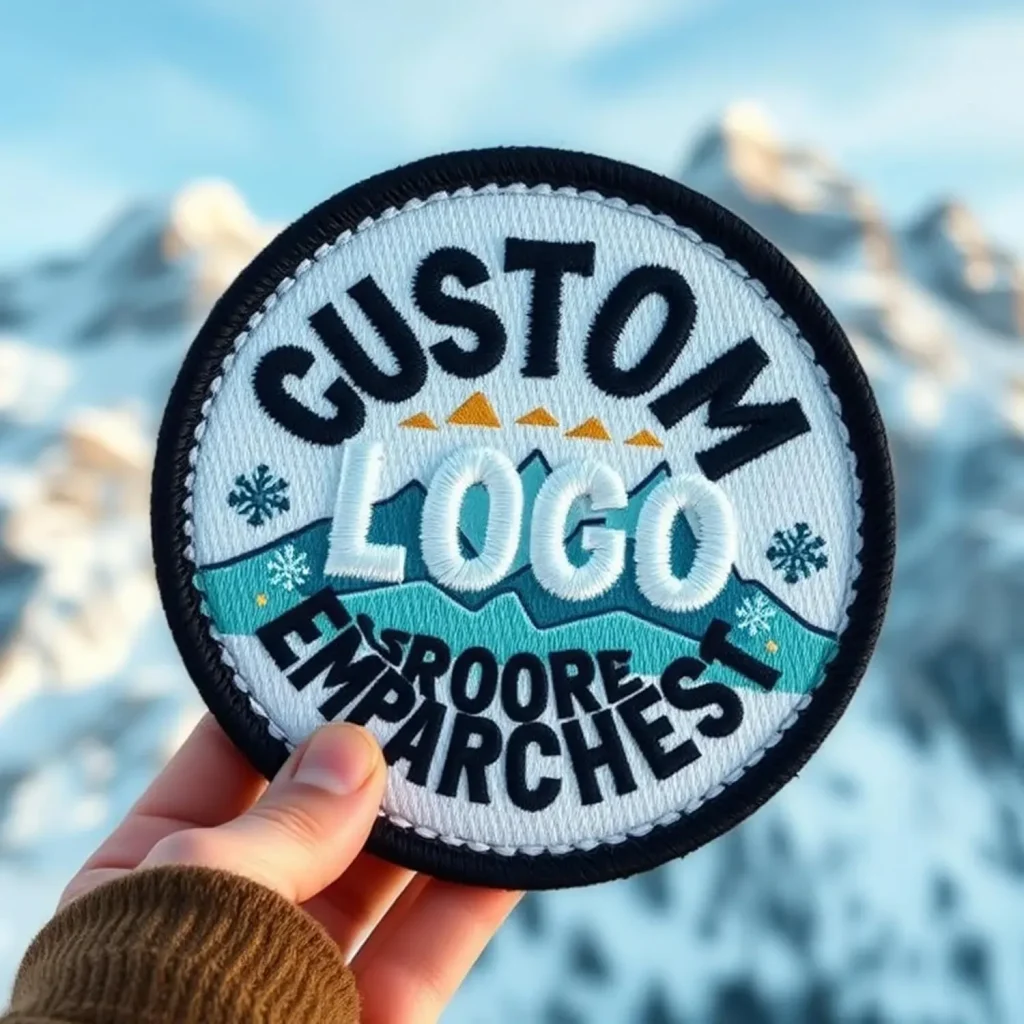
Custom patches for your brand offer a tangible, portable way to tell your story and extend your reach beyond basic branding. With texture, color, and durability, they range from embroidered patches to woven badges, transforming apparel, bags, caps, and promotional items. A thoughtful approach to patch design combines legibility, scale, and a cohesive color palette to reinforce your brand identity. This guide explains the essentials of custom patch manufacturing, production costs, and quality considerations to help you make informed choices. From concept to delivery, the right patches act as portable ambassadors that travel with customers and colleagues, strengthening brand patches across touchpoints.
Viewed through the lens of branding assets, these fabric emblems and logo badges translate a brand’s story into a tactile accent. From simple woven emblems to durable embroidered patches or PVC options, the concept remains a scalable branding tool. By framing the design around the audience and use-case, teams can plan for production scale, cost efficiency, and consistent color reproduction. In practice, think of these branding patches as modular components that can be deployed across product lines, employee uniforms, and promotional gear. In short, adopting a thoughtful patch strategy turns a small adornment into a lasting and recognizable element of your brand language.
Custom patches for your brand: design, production, and scaling
Custom patches for your brand offer a tangible, portable way to tell your story. They extend your logo into texture, color, and personality that travels with customers, employees, and partners, turning apparel and promotional items into ambassadors for your business. A well-crafted patch design aligns with your brand strategy and uses the right patch type to capture your distinct identity.
As you scale, understanding production costs, MOQs, sampling timelines, and the realities of custom patch manufacturing helps you balance quality with affordability and speed. Working with a capable partner can optimize cost per unit while maintaining durability, ensuring your brand patches remain consistent across diverse applications.
Patch design essentials: from concept to scalable embroidery
A strong patch design begins with vector artwork, clean shapes, and legible typography that scales down to patch size. Emphasize the patch design fundamentals so embroidered patches retain detail when produced at varying dimensions, with a color palette chosen for colorfast thread and accurate replication.
During development, collaborating with designers and patch manufacturers early reduces sampling cycles and accelerates production. Prioritize simplicity, strategic color limits, and clear Pantone references to ensure your brand patches look cohesive across all products and campaigns.
Choosing the right patch type: embroidered, woven, and PVC options
Patch type selection defines the overall appearance and durability of your product. Embroidered patches offer a classic badge style with rich texture, woven patches provide finer detail and smooth edges, and PVC patches deliver bold, weather-resistant branding for active wear and streetwear.
Consider your audience, use-case, and environment when choosing. Outdoor gear or uniforms may benefit from durable backing and weather-resistant finishes, while premium apparel might favor the nuanced look of woven patches. Each option impacts production costs, turnaround times, and end-user experience.
Costs and planning: managing production costs, MOQs, and timelines
Understanding production costs, minimum order quantities (MOQs), and lead times helps you price patches accurately and plan inventory. Factors such as patch type, size, thread colors, and backing influence the per-unit cost, while sampling fees can affect upfront budgeting.
Strategic planning—staging production in batches, starting with a smaller run, and optimizing color usage—can reduce overall costs without sacrificing quality. Clear communication with suppliers about dimensions, Pantone references, and edging ensures predictable timelines and budget alignment.
Durability, backing, and QA for lasting brand patches
Backings and attachment methods directly affect patch performance over time. Iron-on backs offer quick application but may lose adhesion after washing, while sew-on patches tend to be more durable for long-term use. Velcro or pin backs add versatility for removable branding across different garments.
Quality control is essential to protect your brand patches. Implement pre-production checks against Pantone references, in-process inspections for stitching and backing alignment, and final QC tests for wash-fastness and adhesion. Thoughtful packaging and labeling further elevate the perceived value of brand patches.
Launch and storytelling: distribution, branding, and scale
Patches are powerful storytelling devices when distributed with intention. Use limited editions, drops, employee programs, and co-branding to amplify your brand narrative and expand reach through brand patches in action.
Practical tips for a successful rollout include requesting pre-production samples, testing wash cycles, and integrating patches with digital campaigns. A well-executed launch aligns patch design with broader branding efforts, transforming patches into scalable assets that reinforce your brand across products and experiences.
Frequently Asked Questions
How do I start with Custom patches for your brand, and why is patch design critical in the early stage?
Begin with your goal and target audience, then choose a patch type (embroidered, woven, or PVC) and outline a clear patch design. Prepare vector artwork (SVG/AI/EPS) and simplify logos for scale, paying attention to color palettes and Pantone references to guide production. This sets up efficient custom patch manufacturing and helps control production costs by reducing sampling rounds.
In the realm of Custom patches for your brand, how do embroidered patches compare to woven or PVC options in terms of patch design and durability?
Embroidered patches offer a classic badge look with rich texture, great for traditional branding. Woven patches provide finer detail and are better for small text, while PVC patches are highly durable and weather-resistant for outdoor wear. Your patch design and intended use (fabric type, wash cycle) should drive the choice to balance aesthetics, durability, and production costs.
What drives production costs for Custom patches for your brand, and how can I manage them from the start?
Costs are driven by patch type and size, number of thread colors, backing options, MOQs, and prototyping fees. Plan by staging production in batches, limit color counts, and request pre-production samples to validate color and stitch density before mass production, helping control production costs.
What should I include in the handoff to a custom patch manufacturing partner to ensure accurate production of Custom patches for your brand?
Provide complete specifications: vector artwork, a stitch plan, Pantone color references, patch size and shape, backing type, and edging details. Include any special instructions and allow for pre-production samples to verify color accuracy and durability before full production.
What QA steps ensure that brand patches meet quality standards for Custom patches for your brand?
Implement a pre-production color and stitch check against Pantone references, in-process inspections for alignment and stitching, and a final quality test for durability and wash-fastness. Packaging and labeling should also meet brand standards to ensure consistent presentation.
What best practices help launch and scale Custom patches for your brand while managing production costs and timelines?
Use limited editions or drops to create demand, pilot with smaller MOQs to test market response, and plan phased releases. Align packaging and branding with your patch strategy, and maintain clear communication with your manufacturer to optimize lead times and control costs as you scale.
| Aspect | Key points |
|---|---|
| Patch types and use cases | Common patch types include embroidered (classic badge-style), woven (higher detail with a smoother texture), and PVC/rubber (durable and weather-resistant) suited for different applications. |
| Material choices | Threads: polyester offers stronger colorfastness and lower cost; backings include iron-on, heat-seal, sew-on, Velcro-backed, etc.; choose based on durability, wash cycles, and ease of application. |
| Design with brand in mind | Use vector artwork; simplify complex logos; limit colors with Pantone references; ensure legibility at patch size; establish visual hierarchy to reinforce brand identity. |
| Digitization and production readiness | Digitize artwork into stitch plans; consider patch shapes (circle, shield, custom contours); prototype with samples; provide clear production specs (dimensions, backing, Pantone colors, edging instructions). |
| Backing and attachment methods | Iron-on vs sew-on for durability and ease; Velcro backs or pins for removable or low-profile needs; safety/compliance considerations for kids’ clothing; durability under wash. |
| Production costs, MOQs, and scheduling | Understand cost drivers (patch type/size, thread colors, backings); MOQs (commonly 100–1000); prototyping fees; lead times (2–6 weeks or longer for custom shapes/colors); plan production in stages. |
| Quality control, labeling, and packaging | Pre-production color/texture checks against Pantone; in-process inspections for stitching/backing alignment; final QC for wash-fastness and adhesion; packaging alignment with brand image. |
| Distribution, launch, and brand storytelling | Use patches for limited editions, employee/ambassador programs, and co-branding; align with digital campaigns and product launches to amplify brand storytelling. |
| Practical tips | Always request a pre-production sample and test wash cycles to verify color stability and durability before mass production. |
Summary
Custom patches for your brand are more than badges—they are strategic branding assets. The process starts with choosing the patch type (embroidered, woven, or PVC) and material, then designing with your brand in mind using vector artwork and a carefully limited color palette. Digitization and prototyping ensure the stitch plan and shape preserve brand integrity, while backing and attachment choices balance durability with ease of use. Understanding production costs, MOQs, and lead times helps you plan scalable production, and rigorous quality control plus thoughtful packaging protect your brand during distribution. Finally, launch strategies and brand storytelling turn patches into ambassadors, extending your brand narrative across products, teams, and partnerships. By following a structured, step-by-step approach—from design through production to distribution—you can create patches that reinforce your brand identity, endure wear, and travel with customers and fans as lasting brand assets.