
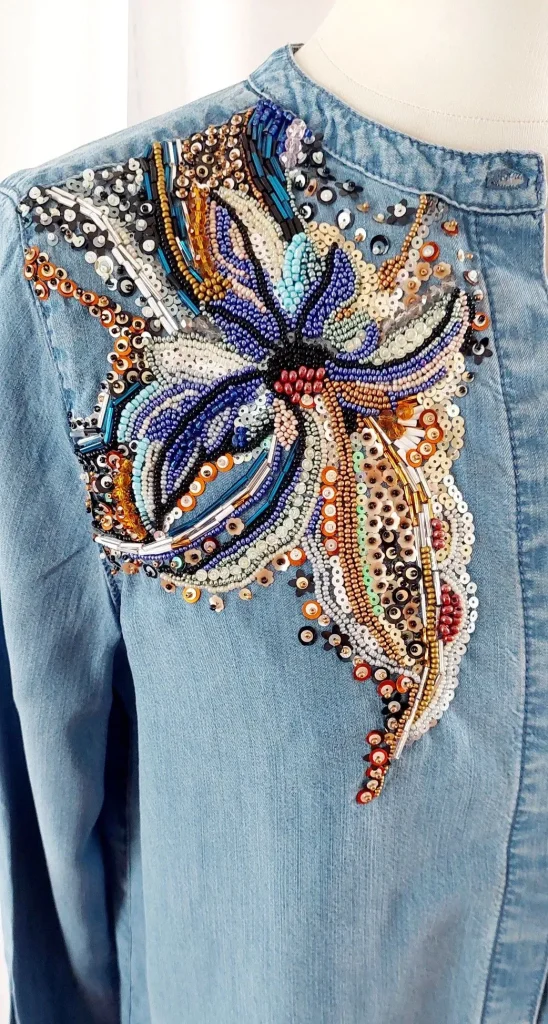
Embroidered design on clothing adds a timeless layer of texture and story to everyday wear, elevating outfits with a subtle, tactile luxury. From delicate accents to bold focal points, mindful stitching can transform a simple garment into a personal statement that respects craft and sustainability. Mastery comes from practice, especially through hand embroidery techniques that blend patient skill with design intent, letting color, texture, and form interact on the fabric. A small emblem or motif placed on a sleeve or pocket can become a signature detail, turning ordinary pieces into cherished keepsakes. As fashion trends move toward personalization, slower production methods, and artisanal appeal, designers continue to explore expressive possibilities for ready-to-wear garments.
Viewed through the lens of textile decoration, these stitches become more than ornament, they tell a story through texture and craft. Rather than relying on mass-produced prints, designers favor hand-applied motifs, patchwork, and decorative stitching that add depth to garments. This approach to garment embellishment supports sustainability by encouraging repair, personalization, and longer wear while inviting wearers to participate in the making process. Through terms like needlework, appliqué, and surface embroidery, the idea of stitched garments is framed as wearable art, rather than a passing fad.
Embroidered design on clothing: A Timeless Wearable Artwork
Embroidered design on clothing remains a timeless form of wearable art, weaving texture, light, and narrative into everyday fabrics. Each stitch catches the eye and invites a closer look, transforming a simple garment into something with character and story. The tactile quality of embroidery adds a dimension that mass-produced items can’t imitate, making wardrobe pieces feel personal and uniquely yours.
This approach aligns with broader embroidery fashion trends that value craftsmanship, sustainability, and customization. By choosing hand-stitched details or small embroidered motifs, you create a lasting piece that travels through seasons, rather than a trend that fades. The result is a wardrobe that speaks of taste, skill, and a slower approach to fashion.
Hand Embroidery Techniques That Elevate Everyday Garments
A strong embroidered design on clothing starts with solid hand embroidery techniques. Mastery of stitches such as back stitch for precise outlines, satin stitch for solid shapes, and running stitch for breezy lines gives you a versatile toolkit to build texture and depth. French knots add tiny focal points that can become delicate floral centers or abstract specks of color.
Beyond individual stitches, choosing the right thread weight and fabric base matters. Heavier cottons or linens hold stitches securely for durable daily wear, while lighter fabrics like voile or silk reward careful tension and stabilizing layers with a refined, delicate finish. A hoop or frame helps maintain even tension, reducing puckers and enabling cleaner lines as you work.
The Allure of Hand-Stitched Clothing in Modern Wardrobes
Hand-stitched clothing embraces craft as part of daily wear, turning a small, visible motif into a statement about taste and process. A single hand-stitched detail on a hem, pocket, or sleeve can elevate a plain tee into a personal canvas, adding texture and depth that machine embroidery often lacks.
Whether you prefer a minimal, modern aesthetic or an opulent, embroidered panel, hand-stitching offers control over scale, color, and placement. The art becomes a dialogue between garment and maker, a way to infuse personality into everyday wear while honoring traditional techniques.
Embroidery Design Ideas for Clothes: From Florals to Abstract Motifs
Embroidery design ideas for clothes span florals, geometrics, monograms, and abstract motifs, providing endless opportunities to customize your wardrobe. Florals bring timeless romance; a single rose on a neckline or a vine along a sleeve adds texture and charm. Geometric patterns offer clean lines that work well on denim jackets or cuffs, while initials personalize gifts and wardrobe staples.
For the more expressive, abstract landscapes or narrative themes stitched across a panel can feel contemporary and artistic. Planning begins with a rough sketch on paper, then a light transfer to fabric. Curved shapes should follow the garment’s natural lines to ensure the embroidery sits harmoniously when worn, and stabilizers help manage thicker fabrics or layered pieces.
Embroidery Fashion Trends: Craft, Personalization, and Sustainability on the Rise
Embroidery fashion trends highlight sustainability, personalization, and craft culture as central to modern style. Embracing handmade details encourages longer wear and care, standing in contrast to disposable, fast-fashion norms. Contemporary looks blend embroidery with appliqué, patchwork, or embroidery-inspired prints to create dynamic, mixed-media pieces.
Designers and crafters alike are drawn to motifs that range from vintage florals to graphic, contemporary symbols. Wearing embroidered items lets individuals express identity with a handmade touch, while supporting slow fashion values and the longevity of cherished garments.
Getting Started with Embroidery on Clothing: Tools, Tips, and First Projects
If you’re new to embroidery on clothing, start with approachable projects that build confidence. A simple emblem on a pocket or a decorative seam can teach balance in stitch density and color without becoming overwhelming. Gradually progress to larger panels on jackets, skirts, or jeans, planning a strategic path that keeps your embroidered design durable through wear and washing.
Begin with practical steps: select forgiving fabrics like denim or cotton blends, choose a complementary thread palette, and prepare the fabric with a stabilizer. Transfer your design accurately, start with basic outlines, then fill shapes with satin or decorative stitches. Regularly check tension and alignment, finish with a gentle wash, and press with a protective cloth to preserve the stitches for years to come.
Frequently Asked Questions
Why does the embroidered design on clothing have lasting appeal?
The embroidered design on clothing remains timeless because it adds texture, light-catching detail, and handcrafted character that mass‑produced prints can’t match. Embroidery sits on the fabric surface as wearable art, offering bold statements or subtle accents depending on the garment. Its longevity also comes from personalization, sustainability, and the craft behind hand-stitch work, making it a lasting feature in any wardrobe.
Which hand embroidery techniques are essential for creating a high‑quality embroidered design on clothing?
Key hand embroidery techniques form the backbone of a strong embroidered design on clothing. Use back stitch for outlines, satin stitch for filled shapes, and running stitch for a light sketch line. Add French knots for small centers, and try stem stitch or split stitch for curved edges and depth. Pair these stitches with the right thread (cotton floss for a matte look, silk for a luminous glow) and a hoop or frame to maintain even tension for durable results.
How do I choose fabric, stabilizers, and threads for hand-stitched clothing to support the embroidered design on clothing?
Start with fabric that tolerates stitching—denim, linen, or cotton blends work well—while lighter fabrics may require stabilizers. A soft backing or stabilizer helps prevent puckering, especially on lighter or sheer textiles. Use a hoop to keep tension steady, and select thread weights that balance visibility with fabric weight. Transfer your design accurately, then begin with outlines and gradually fill shapes to protect the embroidered design on clothing.
What are embroidery design ideas for clothes that work well for beginners?
Embroidery design ideas for clothes include florals and botanical motifs, geometric patterns, and simple monograms or initials. You can place a small motif on a pocket, cuff, or collar to learn balance and density. For a beginner-friendly approach, start with a rough sketch, transfer a light guide to the fabric, and build up stitches gradually to complete a cohesive embroidered design on clothing.
What embroidery fashion trends influence the embroidered design on clothing today?
Current embroidery fashion trends emphasize sustainability, personalization, and craft culture, shaping how the embroidered design on clothing is used. Mixed-media looks—combining embroidery with appliqué, patchwork, or embroidery-inspired prints—are popular. Designers range from vintage floral motifs to bold, graphic designs, allowing wearers to express individuality with handmade details aligned with embroidery fashion trends.
How should I care for hand-stitched clothing to preserve the embroidered design on clothing?
Care for hand-stitched clothing with the embroidered design on clothing by washing gently: cold water and a mild detergent, ideally by hand. If machine washing is necessary, use a mesh bag and a gentle cycle. Dry flat or hang to air-dry away from direct sunlight, and iron from the reverse side with a pressing cloth to protect the stitches. Periodic re-stitching of loose threads helps preserve the embroidery over years and keeps the garment looking fresh.
| Aspect | Summary |
|---|---|
| Overview | Embroidered design on clothing is timeless wearable art that personalizes wardrobe and tells a story; appeals to fashion, interior-inspired textiles, and handmade crafts. |
| Why it Persists | Embroidered motifs sit on fabric surface as tactile art; can be bold or delicate; offers customization, sustainability, and craftsmanship beyond mass-produced items. |
| Techniques | Hand embroidery uses stitches like back stitch, satin stitch, running stitch, French knots, stem/split stitch; thread weights and fabrics affect look; hoops/frames maintain tension. |
| Philosophy | Hand-stitched clothing embraces craft in daily wear; single motif can transform a plain garment; adds texture and depth that machine embroidery rarely matches. |
| Design Ideas | Florals, geometric patterns, monograms, abstract landscapes, and storytelling motifs; planning and transferring design to fabric are crucial. |
| From Concept to Finished Piece | Start small, then scale up; steps include choosing garment and thread, stabilizing fabric, transferring design, outlining, filling, maintaining tension, washing and pressing. |
| Trends & Sustainability | Fits slow fashion values, personalization, and craft culture; encourages longer wear and care; diverse aesthetics from vintage florals to modern motifs. |
| Care & Longevity | Careful washing (cold, mild detergent, hand wash when possible), mesh bag for machine wash if needed, dry flat, avoid direct sun, iron from reverse side, occasional re-stitching. |
| Inspiration & Practice | Seek inspiration from fashion magazines, online communities, and craft markets; practice on scraps; evolve from replication to personal interpretation. |
| Closing Thoughts | Embroidered design on clothing is a form of creative expression with practical value; it enables control over color, texture, and form, fostering garments with stories and potential for ongoing life in a wardrobe. |
Summary
Embroidered design on clothing is a tactile, story-rich form of wearable art that blends craft with personal style. This exploration highlights how hand-stitched motifs transform simple fabrics into unique garments that carry texture, color, and narrative, offering a more intentional alternative to mass-produced fashion. The craft invites patience and experimentation, rewarding wearers with pieces that age gracefully, travel well, and reflect individual taste. Whether used as delicate accents or bold panels, embroidered design on clothing turns everyday wardrobes into lifelong canvases where skill, texture, and memory intertwine.