
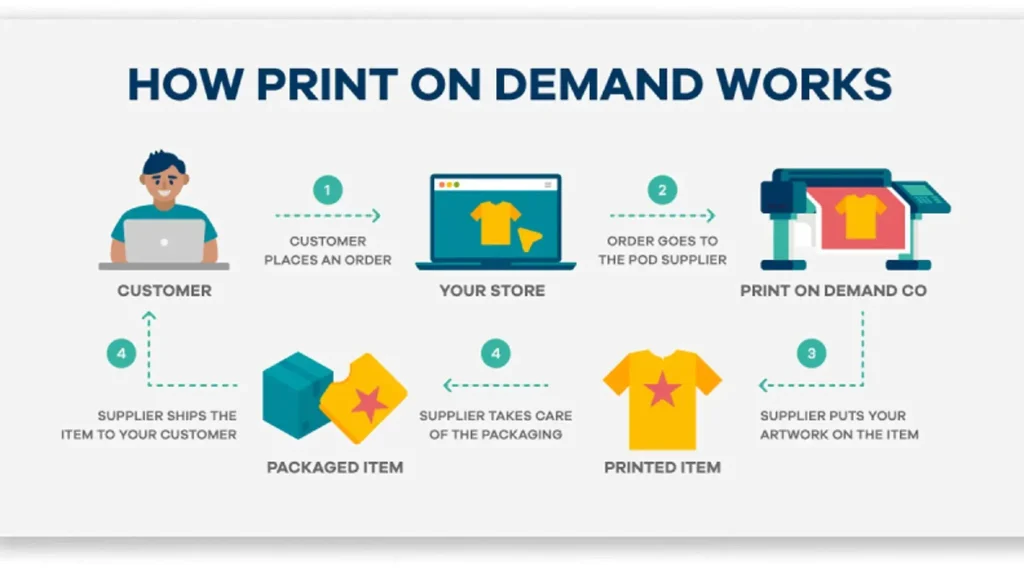
Print on Demand has transformed how creators bring ideas to life, letting them launch products without the burden of inventory. By printing only after a customer orders, it minimizes upfront costs and reduces the risk of unsold stock. For artists, designers, and small businesses, this model offers a flexible, scalable path from concept to customer. A thoughtful approach to design quality, product presentation, and pricing helps you test ideas quickly and iteratively. This guide introduces the POD process and practical steps to move from idea to sale with confidence.
In practical terms, this on-demand printing model stands between traditional manufacturing and drop shipping, offering a flexible fulfillment system that starts after a customer’s order. Using print on demand platforms, creators connect their artwork to a curated range of items, letting demand drive production and shipping. A focus on product customization enables brands to tailor colors, sizes, and styles, turning generic products into unique offerings. From design to sale, the approach emphasizes rapid iteration, quality mockups, and clear communication about production timelines and returns. Finally, a smooth order fulfillment workflow ensures customers receive accurate, timely deliveries while you preserve margins.
1. Understanding the POD Process: From Ideation to Order Fulfillment
The POD process is the blueprint that turns ideas into shippable products without carrying inventory. By focusing on concept development, scalable artwork, and production-ready files, creators can test concepts with low upfront risk. Embracing the POD process also means embracing a clear path from design to sale, where each step is aligned with customer demand and timely fulfillment.
From ideation and design to file preparation, mockups, product selection, listing optimization, and finally production and fulfillment, the journey is designed to minimize waste and maximize speed-to-market. Effective order fulfillment is central to this model, ensuring customers receive accurate items on schedule. This end-to-end view helps you forecast profits, test new designs, and iterate quickly without the burden of unsold stock.
2. Choosing the Right Print on Demand Platforms for Sustainable Growth
Selecting the right print on demand platforms is essential for scalability. Consider how well each platform integrates with your storefront, supports a diverse product catalog, and maintains consistent print quality. Evaluating print on demand platforms also means looking at reliability, production times, and the ability to automate order routing so the POD workflow remains seamless.
Beyond technical fit, assess branding controls, packaging options, and support networks. Some platforms offer white-label branding or custom packing inserts that reinforce your story, which can influence perceived value and repeat purchases. By comparing POD platforms on these criteria, you choose a foundation that sustains growth as you expand your product line and audience.
3. Elevating Product Customization to Drive Design to Sale
Product customization sits at the heart of a successful POD strategy. By enabling customers to choose colors, add text, or select among design variations, you increase engagement and average order value. This focus on customization strengthens the link between design quality and sales performance, supporting a smoother design to sale process.
To maximize appeal and minimize returns, prioritize production-ready customization guidelines: clear design parameters, scalable artwork, and robust licensing. High-quality customizations require consistent typography, legible fonts, and color accuracy across products, ensuring a cohesive brand experience. When customization is well-executed, it translates into higher customer satisfaction and stronger brand loyalty.
4. Designing for Scale: Visuals, Typography, and Production Readiness
Effective design for POD demands attention to printing constraints and production realities. Use high-resolution artwork (typically 300 DPI or higher), proper color management, and safe zones to prevent important elements from being trimmed. A design that scales gracefully across apparel, home decor, and accessories helps realize the ‘design to sale’ mindset by keeping visuals consistent and compelling.
In addition to technical specs, create compelling product visuals with realistic mockups and lifestyle photography. Clear, SEO-friendly product pages and descriptive alt text improve discoverability for Print on Demand while giving shoppers an accurate sense of how designs translate to real items. Consistent branding across assets reinforces trust and accelerates the buyer’s journey from browsing to purchase.
5. Pricing Strategies, Margins, and Platform Economics in POD
Pricing in a POD business must balance base costs with perceived value. By understanding production costs, platform fees, and shipping, you can set price points that protect margins while staying competitive. Bundling products or offering limited-time collections can lift average order value without eroding profitability.
Seasonal pricing, promotions, and tax considerations also play a role in sustainable growth. Track lead times and shipping costs to avoid negative customer experiences, and factor these realities into pricing strategies. A clear view of platform economics, including any additional services like branding or inserts, helps you optimize the POD process for long-term profitability.
6. Growth Tactics: SEO, Marketing, and Customer Experience for POD Success
Marketing and SEO are essential to drive traffic to POD listings. Create SEO-ready product pages that feature the focus keyword Print on Demand along with related terms like POD process, product customization, and design to sale. Content that answers common questions helps capture long-tail search traffic and positions your brand as an authority in the POD space.
Building social proof, email marketing, and retargeting campaigns amplifies reach and conversion. Encourage reviews and user-generated photos, offer exclusive promotions, and provide transparent returns and support policies. A smooth post-sale experience, including reliable order fulfillment and responsive customer service, reinforces loyalty and fuels sustainable growth.
Frequently Asked Questions
What is the POD process and how does it work from design to sale?
The POD process starts with ideation and design, moves through file preparation and mockups, then product selection and listing optimization, followed by production and fulfillment, and ends with delivery to the customer and post‑sale support. This design‑to‑sale workflow minimizes inventory risk and enables rapid testing of ideas with real customers, leveraging print on demand to scale your brand.
How do I choose the right print on demand platforms for my store?
Evaluate print on demand platforms based on product catalog breadth, print quality, production times, and reliable order fulfillment. Also consider pricing, margin potential, brand control (packaging and inserts), and how well the platform integrates with your store (Shopify, WooCommerce, etc.) to ensure smooth fulfillment.
What is product customization in POD and how can I optimize it for best results?
Product customization in POD lets customers tailor designs on selected items. To optimize, ensure artwork is print‑ready (high DPI, proper color profiles), maintain consistent branding across products, and limit customization options to protect fulfillment speed and margins while reducing returns.
How can I optimize my design to sale strategy to improve conversions?
Create SEO‑driven product pages that feature Print on Demand as a focus keyword and use related terms to support discovery. Use high‑quality mockups, clear value propositions, and a steady design‑to‑sale cadence across platforms to boost engagement and conversions.
What are key considerations for production, fulfillment, and shipping in POD?
Expect longer lead times than traditional inventory; clearly communicate delivery estimates and provide tracking. Use branded packaging when available, establish a straightforward returns policy, and develop a good relationship with your POD provider’s support team to resolve issues quickly.
How should I price POD products to maintain margins and stay competitive?
Price by balancing base production costs, platform fees, and shipping with desired margins. Consider bundles and limited‑time offers to increase average order value, and set prices that reflect design quality and brand value while leaving room for profit after all fees.
| Topic | Key Points |
|---|---|
| What is Print on Demand? |
|
| The POD Process: From Design to Sale |
|
| Choosing the Right POD Platform & Products |
|
| Product Customization & Design Best Practices |
|
| Production, Fulfillment & Shipping Considerations |
|
| Pricing, Profit & Business Model Considerations |
|
| Marketing, SEO & Audience Growth for POD |
|
| Common Pitfalls & How to Avoid Them |
|
| Case Study: A Small Designer’s POD Journey |
|
Summary
Conclusion