
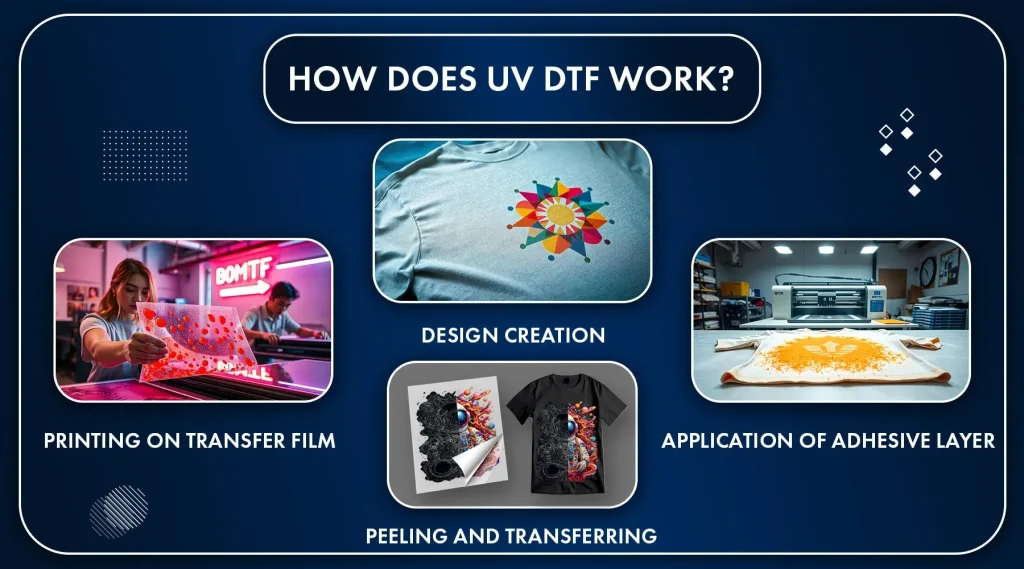
UV DTF transfer substrates are the foundation of successful prints, directly affecting adhesion, color fidelity, and the longevity of your transfers. Choosing the right substrate can unlock vibrant colors and sharp details when paired with the appropriate UV-curable inks, adhesives, and print settings. This guide highlights the best substrates for UV DTF, explains substrate types for UV printing, and shows how to test compatibility with DTF transfer compatible fabrics. By understanding surface energy, porosity, and heat resistance, you can predict adhesion quality, edge sharpness, and wash durability before committing to a full run. With the right substrate selection, you can achieve consistent results across applications—from apparel to hard goods—while following UV DTF printing guidelines.
Viewed through an alternative lens, surface readiness for UV transfers centers on selecting print-ready materials that bond well with UV-curable inks and flexible adhesive layers. Consider the gamut of textile and non-textile substrates—from white polyester fabrics to coated plastics—as compatible media when all components align. In other words, DTF media compatibility depends on surface energy, texture, and thermal tolerance, not just the fabric type. Future posts will explore how different coatings, primers, and pre-treatments optimize adhesion, color accuracy, and durability across UV printing workflows.
UV DTF Transfer Substrates: Key Factors for Optimal Adhesion and Color
Choosing the right substrate is critical for achieving strong adhesion, vibrant color, and durable UV DTF results. UV DTF transfer substrates influence how the adhesive film bonds, how the ink cures under UV light, and how the final print withstands wear and washing. Evaluating surface energy, texture, porosity, and heat resistance helps predict edge sharpness, color fidelity, and overall print quality across different substrate types for UV printing.
In practice, start with substrates that offer moderate to high surface energy and a clean, uniform texture. This foundation reduces the risk of peeling or cracking and supports reliable post-process performance. Considering the substrate from the outset aligns UV DTF printing guidelines with your workflow, ensuring consistent results from test swatches to full production.
Best Substrates for UV DTF: Fabrics and Hard Surfaces
When selecting the best substrates for UV DTF, polyester-based fabrics are among the most reliable, delivering bright color reproduction and strong adhesion. Whites and light-colored polyesters typically provide the sharpest results, while cotton blends can work well with proper pre-treatment and post-processing.
For hard surfaces, coated plastics, acrylics, wood, and lightly pre-treated metal or glass can yield striking UV DTF transfers. The key is matching the substrate to the adhesive and ink chemistry, and validating through tests that simulate real-world use with a curing profile aligned to UV DTF printing guidelines.
DTF Transfer Compatible Fabrics: Aligning Adhesives, Inks, and Substrates
DTF transfer compatible fabrics require careful pairing of fabric, adhesive, and UV-curable ink to ensure clean release, strong adhesion, and edge definition. Fabrics with varying textures, porosity, and fiber structures may respond differently to primers or pre-treatments, so testing on representative swatches is essential.
Understanding fabric compatibility also means considering hand feel, breathability, and durability. A well-matched trio—substrate, adhesive, and UV ink—reduces issues like edge peeling or color shifts, helping you meet UV DTF printing guidelines while delivering comfortable, wearable results for apparel and other textiles.
Substrate Types for UV Printing: A Practical Guide for Fabrics and Hard Surfaces
Substrate types for UV printing span fabrics, canvas, plastics, wood, metal, and coated surfaces. Each category presents unique challenges, such as texture for edge sharpness on textiles or coating readiness for hard surfaces. A practical approach is to classify substrates as fabric-based or hard-surface and then evaluate surface energy, porosity, color brightness, and heat tolerance.
Within fabrics, prioritize polyester for color vibrancy and wash durability, while testing cotton blends for feasibility with appropriate adhesives and heat settings. On hard surfaces, ensure coatings or primers are compatible with UV inks and the chosen adhesive layers to reduce bleed and improve adhesion.
UV DTF Printing Guidelines: Testing, Curing, and Post-Processing
Following UV DTF printing guidelines starts with rigorous testing: color checks under different lighting, adhesion tests after washing, and post-curing stability assessments. These tests reveal color fidelity, edge sharpness, and durability across substrate types for UV printing.
After curing, evaluate hand feel, drape, and wash resistance to ensure the final product meets performance expectations. Document results for each substrate and adhesive combination so you can reuse successful configurations in future projects and maintain consistency across runs.
Choosing the Right Substrate for Your Project: A Step-by-Step Evaluation
Define the end-use scenario first: will the item be washed, flexed, or handled frequently? This informs durability requirements and guides substrate selection within the broader context of best substrates for UV DTF.
Next, select a primary substrate family (fabric vs hard surface) and then evaluate color brightness, adhesive compatibility, and curing profiles. Run small test batches to compare edge sharpness, color fidelity, and wash performance, and document findings to optimize future UV DTF transfer projects.
Frequently Asked Questions
What are the key factors to consider when choosing UV DTF transfer substrates?
When choosing UV DTF transfer substrates, consider adhesion, ink curing, surface energy, texture, porosity, heat resistance, and durability. Evaluate compatibility with adhesives and films and how the substrate type impacts color fidelity and wash performance. Following UV DTF printing guidelines helps ensure consistent results.
Which fabrics are the best substrates for UV DTF printing?
Polyester-based fabrics, especially white or light-colored, are the best substrates for UV DTF, delivering vibrant color and strong adhesion. Cotton blends can work with the right pre-treatments, though color fidelity may vary. Always test DTF transfer compatible fabrics to confirm performance.
How do substrate types for UV printing affect color fidelity and durability in UV DTF transfer substrates?
Substrate types for UV printing influence ink curing, edge sharpness, and wear resistance. White or light substrates often yield truer color reproduction, while very dark or colored surfaces may require opaque underlayers. Heat resistance and care requirements govern long-term durability.
What are DTF transfer compatible fabrics, and why do they matter for UV DTF transfer substrates?
DTF transfer compatible fabrics are materials that bond well with the transfer adhesive and UV inks used in DTF processes. They are central to UV DTF transfer substrates because the fabric choice affects adhesion, color, and washability. Always verify with test swatches and follow UV DTF printing guidelines.
What are the UV DTF printing guidelines for substrate preparation and curing?
Key guidelines include cleaning and prep, possible pre-treatments, selecting compatible adhesives and films, and optimizing UV curing and post-press conditions. Adjust curing profiles for substrate texture, and perform adhesion and color checks to ensure reliable results.
How should you test UV DTF transfer substrates before full production?
Run small batch tests on representative substrates: check adhesion after curing, color fidelity under multiple light conditions, edge sharpness, and hand feel. Perform wash/dry cycles to gauge durability and document results to guide future projects.
| Aspect | Key Points |
|---|---|
| What are UV DTF transfer substrates? | Materials used for UV cured inks and films in the UV DTF transfer process. They include fabrics for apparel and hard surfaces such as plastics, wood, or coated substrates. The chosen substrate affects adhesion, ink curing, color fidelity, durability, and overall print performance. |
| Why substrate matters for UV DTF transfers? | Adhesion and durability depend on substrate type. Ink curing and color fidelity rely on substrate compatibility. Hand feel is important for apparel, and wash durability depends on the substrate as well. |
| Key factors to consider when selecting substrate types for UV printing | Surface energy and texture; porosity and absorbency; color and brightness; heat resistance; durability and care; compatibility with adhesives and films. |
| Substrate types for UV printing: fabrics | Polyester based fabrics offer strong adhesion and bright colors with good wash durability. Whites and light polyesters tend to give the sharpest results. Cotton and cotton blends can work well with the right adhesive and pre treatment, but color brightness may vary from polyester. Canvas and heavier textiles can be suitable with proper pre treatment and adhesives; texture can affect edge sharpness and testing is essential. |
| Substrate types for UV printing: non fabric substrates (hard surfaces) | Plastics and polymers like acrylic, PVC, and polycarbonate can accept UV DTF transfers when properly primed or pre treated. Wood and coated surfaces can accept transfers with minimal bleed, with surface prepping and sealing improving durability. Metal and glass require coatings or primers designed to interact with UV inks and adhesive layers for durable vibrant prints. |
| Adhesives and film considerations | Adhesive compatibility is key; some fabrics need stronger adhesives while delicate materials may need gentler options. Film thickness and curing profiles should suit the substrate surface; thicker films can bridge minor imperfections but may not be ideal for ultra smooth substrates. Pre treatment and priming can boost adhesion on certain substrates. |
| DTF transfer compatibility: fabrics and surface readiness | Align fabrics, films, and adhesives for DTF transfers and test on representative fabrics. A well matched trio yields better edge definition and fewer post press issues. Testing helps reveal edge peeling, color shifts, or crackling under flexing. |
| How to evaluate substrates during testing | Color checks under multiple lighting; adhesion tests with wash cycles; after curing stability checks for warping or curling; assess hand feel and drape; examine edge sharpness around fine details. |
| Best substrates for UV DTF: practical recommendations | For apparel and textiles, white or light polyester fabrics are typically best for color vibrancy and adhesion. For gifts and hard surface items, coated plastics, acrylics, and lightly pre treated glass or metal can perform well with the right adhesive and cure profile. For promotional items and bags, canvas and similar lightweight fabrics are viable with proper testing. |
| A practical guide to choosing the right substrate (step by step) | Define the final use case, choose the primary substrate family (fabric vs hard surface), check color brightness expectations, verify adhesive compatibility, run small test batches, and iterate with documentation. |
| Cost, availability, and maintenance considerations | Substrate availability varies by region. Polyester fabrics are common and affordable; coated plastics and specialty substrates may cost more or have longer lead times. Plan for testing swatches and possible pre treatments; maintain consistent curing parameters and store substrates properly. |
Summary
UV DTF transfer substrates are the foundation of successful UV DTF prints, guiding adhesion, color fidelity, and durability across fabrics and hard surfaces. Understanding substrate properties, including surface energy, porosity, color/brightness, heat resistance, and compatibility with adhesives and UV inks, is essential. Selecting the right substrate requires thorough testing on representative fabrics and hard surfaces, aligning adhesive films and UV curing profiles, and validating edge sharpness, wash durability, and hand feel. By applying the concepts of best substrates for UV DTF, substrate types for UV printing, and practical evaluation guidelines, you can consistently achieve high quality, long lasting results for diverse applications.