
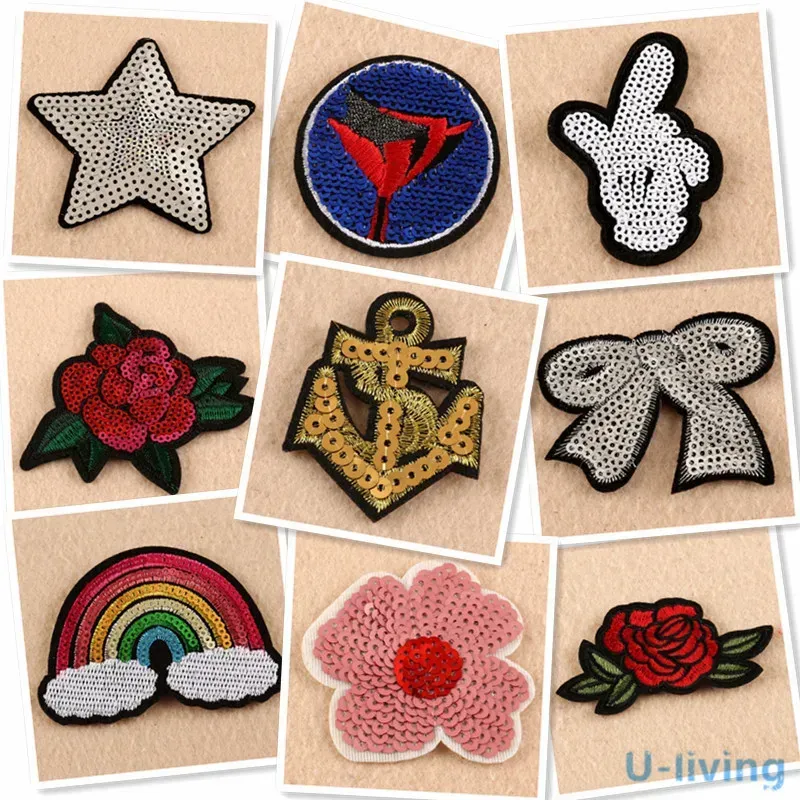
Patches for Clothing and Accessories have become a versatile way to mend, decorate, and express personal style. They offer a practical solution for repairing worn areas while also letting you create one-of-a-kind pieces that reflect your tastes. You can start with iron-on patches for quick fixes, or sew-on patches for a durable finish that lasts. Embroidery patches bring detailed color and texture, while patch care tips help you keep designs vibrant through washes. For many makers, patch customization ideas spark creativity, turning worn garments into wearable stories.
Beyond patches, the concept expands into fabric embellishments such as decorative appliqués, cloth patches, and badge-style embroidery that revive gear and add character. In DIY fashion circles, these ideas are described as patchwork accents, sewn-on emblems, and embroidered patches that repair and decorate without sacrificing style. This framing aligns with sustainable wardrobe practices and upcycling, encouraging you to reuse, remix, and tell a personal story through textiles.
Patches for Clothing and Accessories: A Comprehensive Guide to Styles and Applications
Patches for Clothing and Accessories offer a versatile way to mend, decorate, and personalize fabrics. This guide covers the main patch types—iron-on patches, sew-on patches, and embroidery patches—and explains how each option can transform denim, tees, bags, and more. Understanding when to choose iron-on versus sew-on methods helps you balance speed with durability. With options ranging from leather jackets to canvas backpacks, patches let you express personal style while extending the life of belongings.
Beyond aesthetic appeal, patches serve practical goals: repairing small holes, reinforcing seams, and creating storytelling through designs. When selecting patches for clothing and accessories, consider fabric type, wash frequency, and the look you want—bold graphic embroidery patches, subtle woven patches, or fun iron-on accents. We'll also explore patch care tips and patch customization ideas to keep your collection vibrant.
Iron-On Patches: Quick, Clean, and Durable Fixes for Everyday Wear
Iron-on patches provide a fast, non-sewing solution for decorating or repairing everyday garments. They use a heat-activated adhesive backing that bonds with heat when properly applied, delivering a smooth, professional finish on cottons and denims. For best results with iron-on patches, start with a clean, pre-washed fabric and test a small area before completing the full bond.
While iron-on patches are convenient, durability depends on care and fabric. To extend adhesion, consider finishing with a tight edge stitch around the patch or reinforcing the edges with a brief sewing step after ironing. Regular patch care tips—washing inside-out, avoiding high heat, and air drying—help maintain the patch’s look and adhesion over time.
Sew-On Patches and Their Longevity: Best Practices for Durable Fabric Decor
Sew-on patches are known for longevity because stitching anchors the patch through multiple fabric layers. They work well on leather, heavy denim, and other fabrics where heat might distort adhesives. You can use a zigzag stitch around the patch edge, a merrowed edge for a clean finish, or a simple hand-stitched whip stitch for a handcrafted touch.
To maximize life, combine secure stitching with appropriate backing and careful washing. Inspect edges after several wears and washes, re-stitch if necessary, and follow patch care tips like choosing a gentle cycle and avoiding high heat drying. This approach keeps patches looking fresh while maintaining the garment’s integrity.
Embroidery Patches: Detailed Designs for a Professional Look
Embroidery patches feature designs created through stitched threads on a fabric backing, yielding crisp edges and vibrant color. They offer higher durability and a polished appearance, perfect for school mascots, team logos, or personal artwork. Embroidery patches stand out with intricate detailing and a premium finish that can elevate any garment.
Embroidery patches can be ironed or sewn on, depending on backing. Many people prefer sewing embroidery patches for longevity and a tailored finish. For a professional look, choose patches with high-quality embroidery, secure backing, and colorfast threads to ensure your designs stay vibrant through frequent wear and washing.
Patch Care Tips: Extending Life and Vibrancy of Your Patches
Care tips help patches stay vivid and firmly attached over time. For iron-on patches, wash on a gentle cycle inside-out and avoid high heat to preserve the adhesive and design. If you wash frequently, consider adding a temporary stitch around the edges for extra security.
Air drying is the gentlest option, and if you must use a dryer, select a low heat setting and remove promptly. Regularly inspect edges and stitching after several washes; re-sew or re-adhere as needed. Storing garments with patches in a cool, dry place also helps prevent fabric aging and patch peeling.
Patch Customization Ideas: Creative Ways to Personalize Garments and Accessories
Patch customization ideas invite experimentation with theme, color palettes, layering, and placement. Mixing iron-on patches, sew-on patches, and embroidery patches can create a dynamic, gallery-like statement on a single piece. Themed collections and coordinated color schemes make outfit planning easier while showcasing personal style.
Try layering patches in clusters or overlapping patches to achieve a bold, urban aesthetic. Use patches to display hobbies, initials, or favorite quotes, and extend your customization to bags, hats, and shoes for a cohesive look. PVC patches can add a tactile, durable element, while upcycling old clothing with a thoughtful mix of patches brings new life to forgotten pieces.
Frequently Asked Questions
What are iron-on patches and how do they compare to sew-on patches for patches for clothing and accessories?
Iron-on patches are patches with a heat-activated adhesive backing that bonds to fabric when pressed with an iron. For patches for clothing and accessories, iron-ons offer quick, label-free application on cotton and denim, but they may be less durable with frequent washing or on delicate fabrics. For longevity, finish with a secure stitch around the edges after ironing.
How do you apply embroidery patches to a denim jacket for patches for clothing and accessories?
Embroidery patches are designs created via embroidery on a fabric backing before attaching. To apply on a denim jacket, place the patch, secure with pins, and sew around the edge with a tight zigzag or straight stitch for durability. You can use iron-on backing as a temporary aid, but sewing provides a longer-lasting finish.
What are essential patch care tips to keep patches on bags and jackets looking fresh?
Patch care tips include washing patches for clothing and accessories inside-out on a gentle cycle to protect the design and adhesive, and air-drying when possible. Avoid high-heat drying; inspect patches after washing and re-sew or re-adhere if edges lift. Store garments in a cool, dry place to prevent cracking or peeling.
What patch customization ideas work well for backpacks and tees using iron-on patches or embroidery patches?
Patch customization ideas include themed collections with a cohesive color palette, layering multiple patches for a collage effect, adding initials or quotes, and upgrading accessories with a mix of iron-on patches and embroidery patches. Experiment with alternating sizes, placements, and textures to create a unique, wearable story.
Which patches are best for different fabrics like denim, knit, or leather when using iron-on or sew-on patches?
For denim and heavy cotton, iron-on and sew-on patches both work well, offering bold designs and strong backing. For knit fabrics, choose patches with delicate edges and consider sewing to avoid heat distortion. For leather or faux leather, sew-on patches are preferred for durability; test a small area first on synthetic blends.
How can you safely remove or reposition patches on clothing and accessories without damaging the fabric?
To remove or reposition patches, first soften the adhesive on iron-on patches by applying gentle heat along the edge, then lift slowly with a tool. For sew-on or embroidery patches, carefully cut threads with a seam ripper and lift the patch away. After removal, inspect the fabric for residue and consider resewing a new patch in the desired spot.
| Aspect | Key Points |
|---|---|
| What patches are | Versatile items to mend, decorate, and express personal style; repair worn areas and create unique pieces. Suitable for rescuing denim jackets, refreshing backpacks, or jazzing up plain tees. Patches transform fabric into something new and personal; they also reflect tastes and can extend item life. |
| Why patches matter | A functional and creative tool beyond fashion. They can cover small holes, reinforce seams, or simply add personality. Useful for families to customize school bags and uniforms; for crafters to tell stories through patches; contributes to sustainable wardrobe practices. |
| Types of patches | Iron-On, Sew-On, Embroidery, and Other options (PVC, felt, woven). Each type has advantages and best-use scenarios depending on fabric and project. |
| Applying patches: Iron-On | Placement, preheating, protection with parchment, heat application (15–20 seconds), press with even pressure, re-press if edges lift, optional edge stitching for security, wash inside-out and avoid high-heat drying. |
| Applying patches: Sew-On | Position and pin, choose a tight stitch around edge, stitch slowly with backstitch at start and end, finish edges as needed; heat backing may exist but stitching remains primary. |
| Care and maintenance | Wash gently inside-out for iron-on patches; air-dry when possible; inspect after washes and resew or re-adhere as needed; store garments properly to prevent aging or peeling. |
| Patch customization ideas | Themed collections, layering/mixing, personal statements, accessory upgrades (PVC on jackets/backpacks), and upcycling worn items to extend life. |
| Choosing the right patch for fabrics | Guidelines by fabric: denim/heavy cotton suit iron-on and sew-on; knits need delicate edges or sewing; leather/faux leather favors sew-on; test on synthetics; consider backing compatibility and heat sensitivity. |
| DIY patch projects | Examples include denim jacket revival, backpack personalization, plain tee refresh, and tote bag makeover using combinations of patch types. |
| Where to buy and quality | Look for clear backing, high-quality embroidery, strong adhesives or stitching, and accurate size/color. Choose patches that balance design with durability for your project. |