
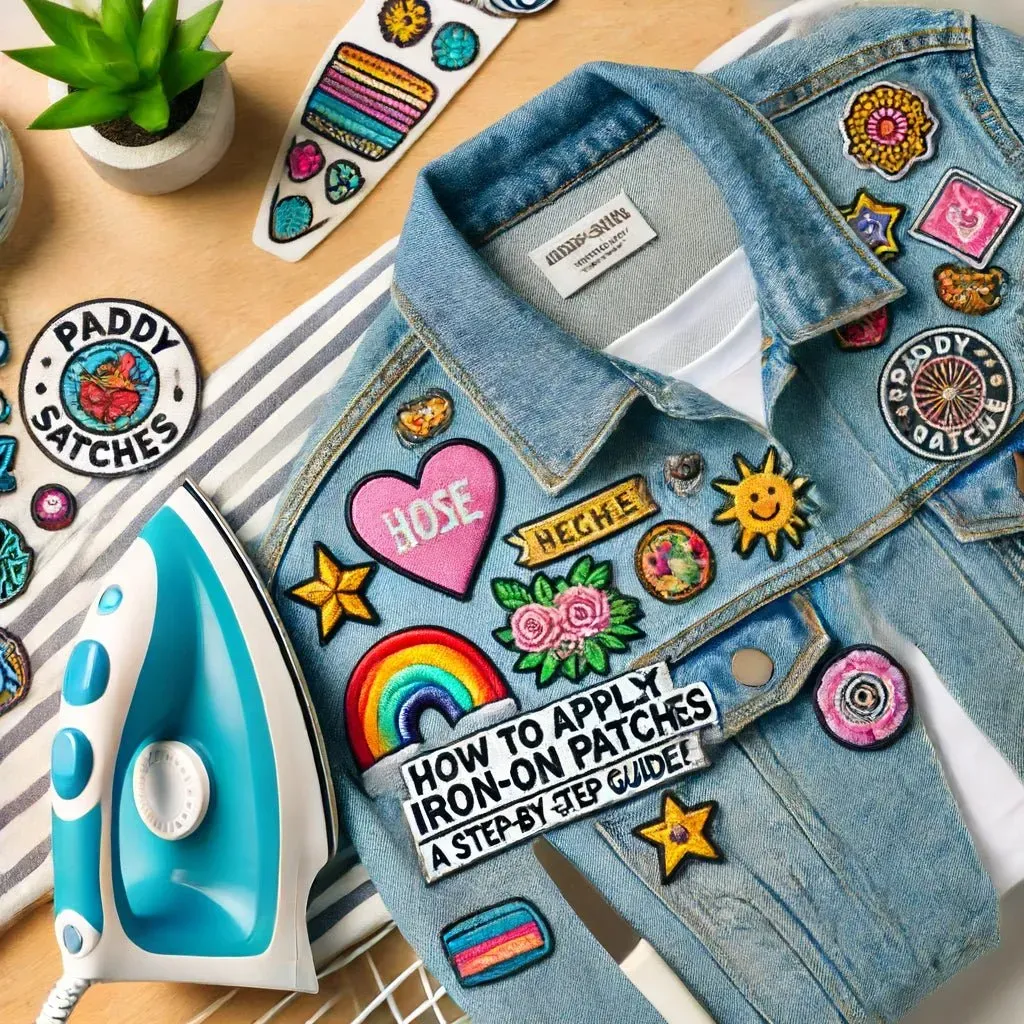
Iron-On Patches have transformed how we refresh wardrobes, turning worn jackets and tired totes into fresh, personal statements. They’re an affordable, beginner-friendly option that lets you customize fabrics without sewing and with minimal equipment. If you’re wondering how to apply iron-on patches, this guide breaks the process into clear, practical steps you can follow. From choosing the right patch and fabric to achieving a neat bond that lasts, you’ll learn everything you need to know. With a little prep, steady hands, and patience, you can transform ordinary items into standout pieces that express your style.
In other words, these adhesive-backed fabric decorations use heat-activated glue that fuses to the fibers when pressed with a hot iron. Think of them as small, durable emblems or badges that stick firmly to sturdy materials like denim, canvas, or cotton blends. This language-friendly approach follows Latent Semantic Indexing principles by connecting related concepts such as patch backing, heat transfer, and fabric compatibility to help search engines understand the topic. As you explore, you’ll find guidance on choosing patches and preparing fabrics that maximize adhesion and minimize edge lift.
Iron-On Patches: A Beginner’s Overview and How They Work
Iron-On Patches are fabric patches with a heat-activated adhesive backing. When pressed with a hot iron, the adhesive melts and bonds to the fibers, creating a flexible, semi-permanent repair. This makes them a simple, budget-friendly option for breathing new life into denim, cotton twill, canvas, and other sturdy fabrics. Understanding how the patch adheres helps you choose the right fabric and patch type for a lasting result.
For beginners, this method often eliminates the need for a sewing machine. It’s ideal for mending small holes, covering stains, or adding a decorative touch to everyday garments. With careful prep and patience, you can achieve a clean bond that lasts through regular wear. This guide will walk you through the essentials—from selecting patches to caring for items after application.
Choosing the Right Patch and the Best Fabrics for Iron-On Patches
Patch selection blends style and durability. Start with patches designed for clothing repair rather than complex embroidery patches. You’ll encounter opaque patches with fabric backing and clear, heat-activated patches that rely on the adhesive. Choosing the right type depends on the garment and how visible you want the patch to be.
The best fabrics for iron-on patches are sturdy materials like denim, canvas, cotton twill, and leather substitutes. Delicate fabrics such as silk, satin, or knit blends with stretch may need stabilizers or alternative methods to ensure a strong bond. Always test on a small, inconspicuous area to confirm adhesion before applying patches to visible spots.
Essential Tools and Prep for a Clean Iron-On Patch Application
To achieve a neat, durable patch, gather essential tools: the patch itself, a dry iron or heat press, a flat ironing surface, a pressing cloth, parchment paper, scissors, a seam ruler, and masking tape or double-sided fabric tape for alignment. A small amount of fabric adhesive or a few extra stitches can be added later for extra security, especially on high-friction areas.
Prep your garment by washing and drying it as usual, but avoid ironing directly at first. A smooth, wrinkle-free surface makes placement easier. Plan your patch location, then secure it with a touch of masking tape to prevent shifting during pressing. Having a barrier between the patch and fabric helps distribute heat evenly and protects both surfaces.
A Step-by-Step Tutorial: How to Apply Iron-On Patches
Step 1: Prep the fabric by washing and drying it, ensuring the surface is flat. Step 2: Plan patch placement and lightly tape the patch in place to prevent movement during pressing. Step 3: Place a barrier—such as a pressing cloth or parchment—over the patch area to protect both the fabric and patch backing.
Step 4: Heat and pressure. Set the iron to the patch’s recommended temperature (often a cotton or synthetic blend setting) and press firmly for 15–30 seconds without gliding. Step 5: Check the edges; if any area hasn’t bonded, re-cover with the barrier and press again for 10–15 seconds. Step 6: Allow the garment to cool completely before testing adhesion. Step 7: Optional finishing step: sew around the patch edge for added security in high-friction zones.
Finishing Techniques and Care After Applying Iron-On Patches
Finishing touches can extend the life of your patch. If you want extra security, perform a few small stitches along the border with a tight stitch, staying close to the edge. This approach is common in the beginner guide to iron-on patches and helps patches on sleeves, elbows, or high-mabraded areas stay in place.
Care after applying iron-on patches matters for longevity. Wash items in cold or warm water on a gentle cycle, turn garments inside out to reduce friction, and air-dry when possible. If you use a dryer, opt for low heat and avoid mixing with items that could snag the patch. If edges begin to lift over time, a quick re-press can refresh the bond and extend wear.
Troubleshooting Common Issues and Long-Term Maintenance for Iron-On Patches
If a patch won’t stick, re-evaluate fabric compatibility, re-barrier the area, and extend the pressing time by 5–10 seconds with steady pressure. Edges curling or lifting can be addressed by re-pressing with a barrier and, if needed, adding stitches along the border for security. A patch that peels after washing may indicate fabric or patch size not suited to the surface—consider a smaller patch or a different type.
To keep patches looking fresh, avoid aggressive washing early on and re-press as needed after several washes. Regularly inspect patches, especially on high-friction areas like elbows and knees, and re-apply heat if you notice dullness or edge lift. Following care guidelines from the patch and garment care labels—along with the care after applying iron-on patches principles—will help maintain adhesion and appearance over time.
Frequently Asked Questions
Iron-On Patches: How to apply iron-on patches – a beginner-friendly guide?
To apply Iron-On Patches, start with a clean, flat fabric. Position the patch, cover with a barrier, and press with a hot iron for 15–30 seconds, applying steady pressure without sliding. Lift the barrier and check the edges; re-press any loose areas if needed and allow the patch to cool completely. For extra security, optional stitching around the edge can be added after setting.
Iron-On Patch Tutorial: What tools do you need?
In this iron-on patch tutorial, gather a clean surface, a dry iron or heat press, a pressing cloth, parchment paper, scissors, and tape or weights to hold the patch in place. Follow the patch instructions for temperature and duration, then press firmly with even pressure. Allow cooling before testing adhesion and consider a light stitching for durability on high-stress areas.
Beginner guide to iron-on patches: what are the essential steps?
Key steps include prepping the fabric, planning patch placement, using a barrier, heating and pressing, checking edges, and letting the patch cool. Start on sturdy fabrics like denim or canvas to build confidence before trying delicate materials. Optional stitching around the border can provide extra security on sleeves or high-friction areas.
Best fabrics for iron-on patches: which fabrics work best?
The best fabrics for iron-on patches are sturdy, non-stretch materials such as denim, canvas, and cotton twill, which provide strong adhesion. Avoid very lightweight knits or delicate fabrics unless you use a stabilizer or alternative method. Always test a small area first to confirm compatibility.
Care after applying iron-on patches: how to care for patched items?
Care after applying iron-on patches includes washing items on a gentle cycle in cold or warm water, and turning them inside out to protect the patch. Air-dry when possible, and if you use a dryer, choose a low-heat setting and avoid rough items that could snag the patch. If edges lift over time, re-press or re-sew along the border for longer life.
Iron-On Patches troubleshooting: why won’t it stick and how to fix it?
If an Iron-On Patch won’t stick, check fabric compatibility and ensure you used a barrier and adequate heat. If edges curl or lift, re-press with longer duration and apply light stitching along the border. If it peels after washing, consider a larger patch or switching to a patch type with stronger adhesive.
| Aspect | Key Point | Details |
|---|---|---|
| What Iron-On Patches Are | Heat-activated adhesive patches | Backed with an adhesive that bonds to fabrics when heated with a hot iron or heat press; creates a flexible, semi-permanent repair suitable for sturdy fabrics like denim, twill, and cotton blends. Adhesion varies by fabric type; heavier fabrics typically hold better, while delicate or stretchy fabrics may require care or alternative methods. |
| Best Fabrics for Patches | Suitable fabrics for strongest adhesion | Heavier fabrics yield stronger adhesion (denim, canvas, broadcloth, cotton twill). For lightweight, stretchy, or delicate fabrics, use stabilizers or apply patches with extra care and test on a hidden area first. |
| Patch Types | Two main categories | Opaque patches with fabric backing and clear, heat-activated patches that rely on adhesive. Choose based on clothing repair needs and desired look. |
| Tools & Materials | Essentials | Patch; iron or heat press; flat surface; pressing cloth or thin cotton; parchment paper or barrier; scissors, ruler, masking tape or fabric tape; weights; optional fabric adhesive or post-press stitching for extra security. |
| Step-by-Step Overview | Prep, placement, barrier, heat, check edges, cool, optional finishing | 1) Wash/dry garment; 2) Plan patch placement and tape to prevent shifting; 3) Place barrier over patch; 4) Press with iron/heat at patch-specified temperature for 15–30 seconds; 5) Check edges and re-press if needed; 6) Let cool to set; 7) Optional: sew around the edge for extra security. |
| Common Pitfalls | Common mistakes to avoid | Too hot or too long of a press; using the wrong fabric; edges not sticking; wrinkled patches; washing too soon. Solution: follow patch instructions, test on scrap fabric, use barriers, re-press as needed, and consider stitching for security. |
| Care After Applying | Post-application care | Wash in cold/warm water on gentle cycle; turn garment inside out; air-dry if possible; if using a dryer, choose low heat and keep away from items that may snag the patch; avoid aggressive dry cleaning unless allowed; re-press if adhesion loosens. |
| Troubleshooting | Adhesion issues and fixes | If patch won’t stick, re-check fabric compatibility and barrier; extend press time and apply steady pressure. If edges curl, re-barrier and press again; if it peels after washing, reassess fabric suitability or patch size and consider stitching. If the patch looks dull, re-press with a barrier at slightly firmer pressure. |
| Creative Ideas | Creative applications | Enhance backpacks or totes, reinforce wear areas on jeans/jackets, layer patches for a mixed-texture look, repurpose old garments, and coordinate patches with embroidery for a unique style. |
| Language & Terms | Key terms | Patch backing; heat-activated adhesive; pressing cloth; stabilizer backing. |
| Final Takeaway | Summary of practical steps and confidence-building guidance | Master the basics by starting with simple repairs on sturdy fabrics, then expand to more complex patches. Remember prep, barrier, heat, and patience to achieve clean, durable results. |
Summary
Conclusion: Iron-On Patches open a practical, budget-friendly path to refreshing clothing and accessories with minimal sewing. By understanding fabric compatibility, choosing the right patch type, and following a careful heat-and-press process, anyone can achieve durable, professional-looking repairs. Start with sturdy fabrics like denim or cotton twill, use a barrier to distribute heat, and allow the patch to cool fully before washing. With practice, Iron-On Patches become a reliable tool for mending, customizing, and revitalizing wardrobe staples, turning worn items into lasting, personalized pieces.