
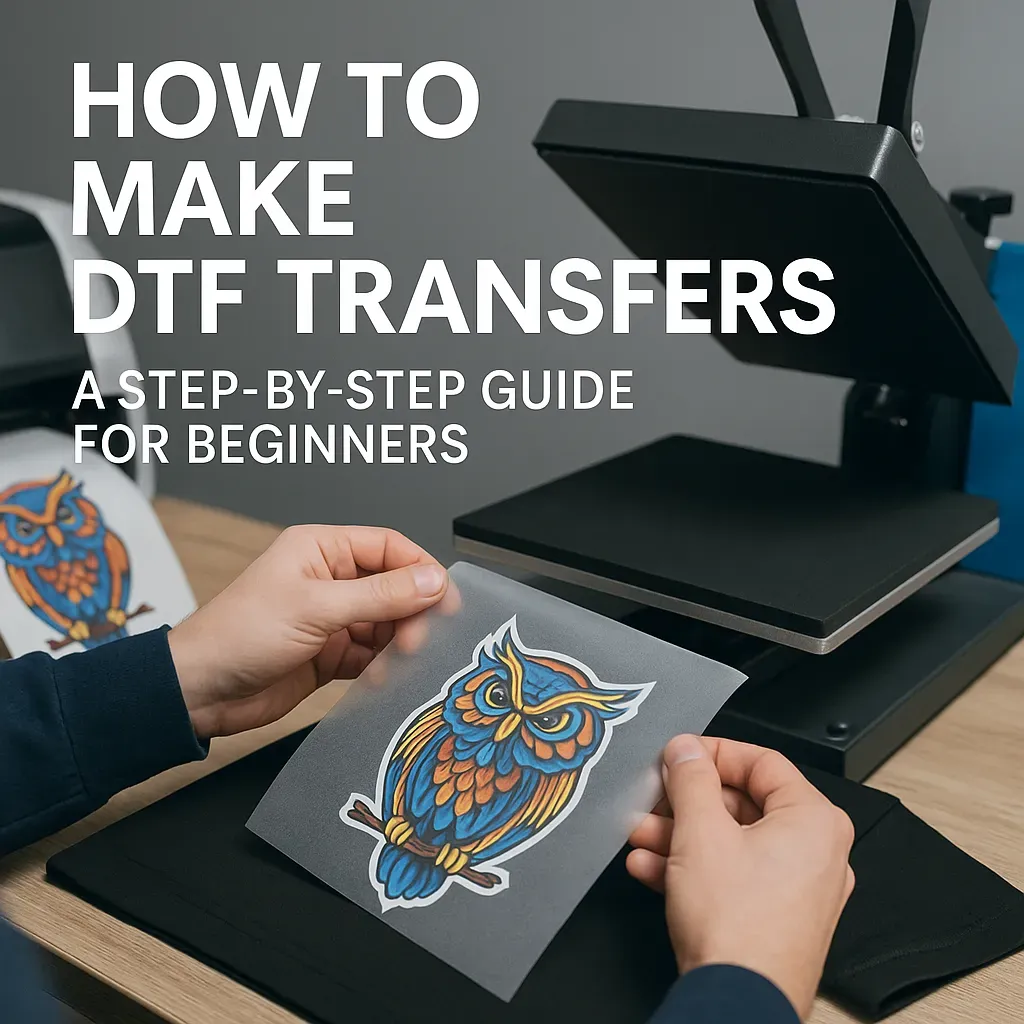
DTF transfers for beginners open a world of bright, durable designs on fabrics with a straightforward path from concept to finished garment. This guide covers the essential DTF transfer equipment and walks you through the DTF printing process, so you know what to have on hand before you start. You’ll also pick up DTF heat press tips and practical strategies for avoiding common mistakes, plus troubleshooting steps under DTF transfer troubleshooting. A quick comparison of DTF vs DTG helps you weigh softness, setup, and fabric compatibility for different projects. By taking a steady, hands-on approach, you can produce reliable, vibrant designs while building confidence in your early print runs.
Seen through a beginner-friendly lens, direct-to-film decoration emphasizes a film-based workflow that starts with design and ends with a pressed, durable image on fabric. Think of it as a layered process: a white underprint, color ink, a powder adhesive, and careful heat application, all coordinated to deliver clean edges and strong adhesion. The emphasis is on small, repeatable steps, proper equipment setup—such as choosing a heat press with stable temperature and pressure—and practical tips for avoiding common issues. By framing the method in these terms, newcomers can approach garment decoration with confidence and gradually scale from practice tees to small runs.
DTF transfers for beginners: essential workflow, tools, and setup
DTF transfers for beginners benefit from a clear, repeatable workflow that keeps projects consistent and reduces learning curves. From initial design to final transfer, understanding the DTF printing process and how your DTF transfer equipment fits into each step helps you predict outcomes, control color, and manage edge detail.
By outlining the sequence—design, print, powder, cure, then heat press—you set a baseline you can refine as you gain experience. This approach minimizes waste, speeds setup for multiple shirts, and helps you scale from hobby projects to small-batch orders.
DTF transfer equipment: building your starter kit
Choosing the right DTF transfer equipment is the foundation of successful results. A reliable printer with white ink capability, compatible DTF transfer film, a curing method for the powder, and a quality heat press all play pivotal roles in adhesion, color brightness, and edge detail.
In addition to the core gear, consider a powder shaker, lint-free cleaning tools, heat-resistant gloves, and protective coverings to keep fatigue at bay. Start with the essentials and plan future upgrades as your volume grows.
DTF printing process: from design to finished transfer
The DTF printing process starts with design and color management, ensuring artwork uses proper color profiles (CMYK) and accounts for white underprint on dark fabrics. Printing onto the DTF film with the white layer first provides opacity and a solid canvas for vibrant colors.
After printing, you powder and cure while the film is tacky, then trim and prepare for transfer. The precision in this stage—how you shake off excess powder, align the transfer, and set the heat press parameters—largely determines the final result and durability.
DTF heat press tips for reliable results
DTF heat press tips emphasize consistent temperature, time, and pressure. A typical starting point is around 300-320°F (150-160°C) for 12-15 seconds, with medium, even pressure and a pre-press to remove moisture from the garment.
Use protective sheets, align with a grid or positioning aids, and follow the cold- or hot-peel instructions for your specific transfer. These practices reduce edge lift and ensure uniform adhesion, especially on mixed fabrics or heavier blends.
DTF troubleshooting: common issues and fixes
Even beginners encounter challenges such as faded colors, missing white underprint on dark fabrics, or powder that clumps. Start by verifying the DTF transfer equipment setup, confirming the printing process produced a solid white layer, and ensuring the adhesive powder is fresh and evenly distributed.
Common fixes include recalibrating printer color management, cleaning print heads, adjusting humidity, and re-curing or re-pressing when edges lift. Documenting defect causes helps you avoid repeating mistakes and speeds up future runs.
DTF vs DTG: choosing the right method for your projects
When deciding between DTF vs DTG, consider fabric variety, run length, and color fidelity. DTF tends to offer better adhesion on a wider range of fabrics, stronger white underprint for dark garments, and lower setup time for small runs, while keeping costs reasonable for beginners.
DTF or DTG choice often depends on your project goals—DTG can yield very soft hand-feel prints on light fabrics with pretreatment, whereas DTF provides durable results with less pretreatment and broader media compatibility. This practical comparison helps new decorators select the best approach for their needs.
Frequently Asked Questions
What is the DTF printing process for beginners and what should you know?
The DTF printing process for beginners involves designing artwork, printing onto DTF film with a white underprint plus CMYK colors, applying adhesive powder, curing the powder, and transferring the image to the fabric with a heat press. The white underprint is essential on dark fabrics to keep colors bright and opaque.
What essential DTF transfer equipment does a beginner need to start?
Core DTF transfer equipment includes a DTF-capable printer with white ink capability, DTF transfer film, adhesive powder and a shaker, a curing device or oven, a heat press with adjustable temperature and time, protective sheets, heat-resistant gloves, and basic trimming tools. Start with a reliable heat press and quality film, then upgrade the printer or ink system as you gain volume.
What are the best DTF heat press tips for beginners to get reliable results?
Set baseline temperatures around 300-320°F (150-160°C) for 12-15 seconds, adjust for fabric and transfer thickness, apply even medium pressure, pre-press 5-10 seconds to remove moisture, protect with a silicone or Teflon sheet, and use alignment aids for consistent placement.
What are common DTF transfer troubleshooting steps for new users?
If colors look faded, verify printer ink density and ensure a solid white underprint; if white underprint is missing, check the order and occlusion of ink layers; if powder doesn’t adhere, ensure the printed film is tacky and powder is evenly distributed and cured; edge lifting may require better trimming and pre-press; ghosting can indicate improper film or settings.
How does DTF transfer compare to DTG for beginners?
DTF transfers for beginners offer cost-effective small-run capability, strong white underprint on dark fabrics, and simpler workflows with less pretreatment compared to DTG; DTG can deliver a very soft hand-feel on light garments but often needs pretreatment and fabric-specific optimization, making DTF a forgiving entry point for many beginners.
What is a quick-start checklist for DTF transfers for beginners?
Use a basic DTF transfer equipment setup appropriate for your volume, conduct test prints on scrap fabrics to dial in temperature, time, and pressure, verify heat press settings for common fabrics, practice garment alignment, build a simple design library, and follow post-press instructions from your transfer film and adhesive powder suppliers.
| Topic | Key Points |
|---|---|
| Understanding the DTF transfer workflow |
|
| Essential tools and equipment (DTF transfer equipment) |
|
| The DTF printing process (step-by-step) |
|
| Heat press tips for reliable results (DTF heat press tips) |
|
| Troubleshooting common issues (DTF transfer troubleshooting) |
|
| DTF vs DTG and other methods (DTF vs DTG) |
|
| Practical tips to optimize your DTF journey |
|
| A beginner’s quick-start checklist |
|
Summary
DTF transfers for beginners offer a practical, accessible path to vibrant, durable prints on a wide range of fabrics. By understanding the workflow, equipping yourself with essential tools, and following proven heat press and troubleshooting practices, you can achieve high quality results with less trial and error. Start with small tests, document your settings, and progressively scale as you gain confidence and volume. With patience and consistent practice, DTF transfers for beginners can become a reliable method for personal projects or small business ventures.