
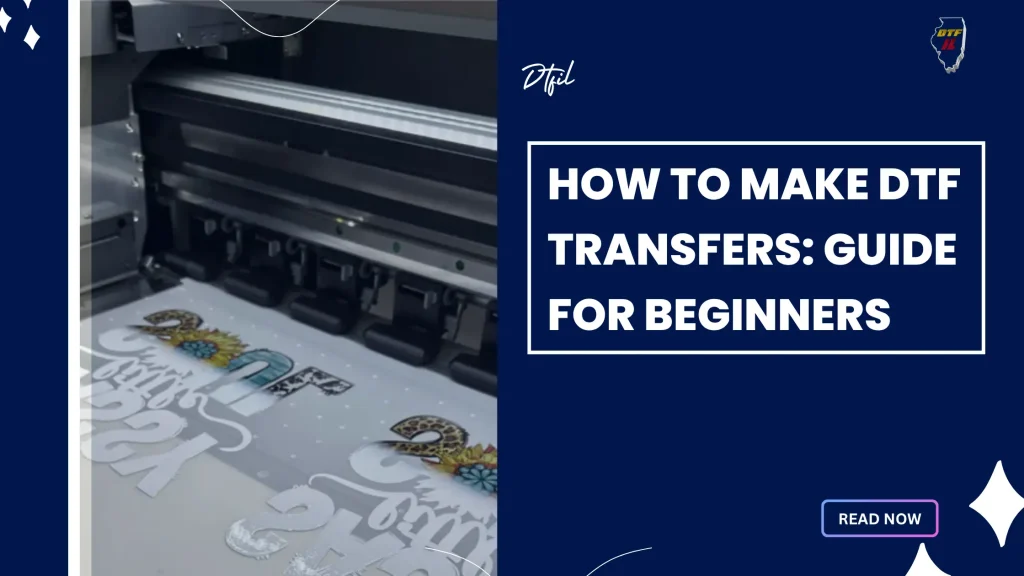
DIY DTF transfers have transformed how hobbyists and makers create crisp, durable designs at home. They offer vibrant color, a soft hand-feel, and the ability to reproduce intricate artwork for DTF transfers at home without needing large-format printers. This guide helps you assemble DTF printing supplies, explains how to make DTF transfers, and covers DTF heat press setup for reliable at-home results. Whether you’re a creator, a small business owner, or simply curious about print-on-demand, you’ll discover practical steps, equipment, and best practices. By the end, you’ll be ready to start your at-home DTF journey with confidence and clarity.
From a film-based transfer workflow to garment-ready artwork, this approach relies on Direct-to-Film technology to print vibrant designs. It starts with choosing the right transfer film, white underprint when needed, and a powder coating that bonds the design to fabric. A heat press and properly calibrated temperatures ensure the printed image adheres cleanly, while testing on swatches helps prevent surprises. This home-friendly method shares the same goal as professional production: durable, full-color designs with a soft feel, suitable for small runs and custom projects.
DIY DTF transfers at home: essential supplies and workspace setup
Launching into DIY DTF transfers at home starts with a solid toolkit of DTF printing supplies and a clean, organized workspace. Key components include a printer capable of handling DTF film and white underprint options, compatible inks, high-quality DTF film, adhesive powder, a curing method, and a dependable heat press. Creating a dedicated area with ventilation and a clean surface helps maintain powder and film condition, ensuring more consistent results for every project.
Establishing a repeatable workflow from the outset reduces variability and speeds up production. Calibrated color profiles, tested film brands, and a defined garment prep routine (pre-press, wrinkle removal, and moisture control) contribute to reliable transfers. Investing time in the right DTF printing supplies now pays off with fewer troubleshooting sessions and smoother DIY projects.
From design to print: how to make DTF transfers
This section walks you through the practical steps of turning a digital design into a finished DTF transfer. Start with a high-resolution design, anticipating how it will look on the garment and whether you need a white underprint for dark fabrics. Careful file preparation and color management set the stage for vibrant results when you print onto DTF film.
Next, mirror the image if necessary and print using the appropriate settings for your film and printer. After printing, dust the film with adhesive powder while it’s warm, cure the powder so it bonds, and prepare the garment with a clean, pre-pressed surface. The core sequence—print, powder, cure, transfer—remains consistent across projects and helps you achieve durable, high-quality results.
Choosing the right DTF printing supplies for reliable results
Selecting the right DTF printing supplies is essential for reproducible outcomes. Prioritize a printer and inks compatible with DTF films, especially if you need a reliable white underprint. Evaluate DTF film coatings for ink adhesion and clean release, and choose an adhesive powder that distributes evenly without clumping.
Consider curing methods and heat sources that suit your setup, whether you use a dedicated curing oven, a hot air tool, or another device. A dependable heat press with even heat distribution and flat platen performance, combined with properly prepped garments, makes it easier to replicate results across multiple prints and sessions.
DTF heat press setup: temperature, pressure, and timing for best transfers
A solid DTF heat press setup starts with a reliable baseline. Common starting points are around 320°F (160°C) for 12–15 seconds, but you should adjust based on fabric type and film brand. Achieving consistent pressure across the garment is crucial; use a clamp-down method or weighted press to prevent uneven transfer edges.
To optimize results, perform a brief pre-press to remove moisture and a post-press cooldown to help set the transfer flush with the fabric. Use protective layers like parchment paper or a silicone sheet, and align carefully to avoid shifting during pressing. With a stable heat press setup, you’ll reduce misprints and achieve longer-lasting transfers.
Troubleshooting common issues in DIY DTF printing
Even with careful setup, you may encounter issues such as faded colors, poor adhesion, or halos around the design. Start by verifying that the adhesive powder has been evenly applied and fully cured, and that white underprint layers (if used) are correctly placed. Recheck your printing settings and color profiles to ensure accurate color representation on fabric.
If you notice cracking, peeling, or sticky finishes, re-evaluate temperature, time, and pressure. Ensure the garment stays still during the transfer and that cooling is adequate before peeling. Cleanliness on the transfer and garment surfaces also helps prevent powder residue and ink smudges, improving overall transfer quality.
Safety, maintenance, and tips for a long-lasting at-home DTF workflow
Safety is essential when working with DTF films, powders, and hot presses. Work in a well-ventilated area, wear appropriate PPE as recommended by manufacturers, and keep powders dry and sealed to prevent clumping. Regularly inspect and maintain your heat press surface and cleaning tools to avoid residue buildup that can affect future transfers.
Maintenance tips include keeping your DTF film and powders in controlled environments, documenting successful settings for different fabrics, and performing periodic tests on fabric swatches. As you gain experience with DIY DTF printing, you’ll refine your process, reduce waste, and improve color fidelity and transfer durability over time.
Frequently Asked Questions
What are the essential DTF printing supplies for DIY DTF transfers at home?
Core DIY DTF transfers at home start with reliable DTF printing supplies: a printer capable of handling DTF film with a white underprint option if needed; compatible inks or a dedicated DTF printer; DTF film; adhesive powder; a method to cure the powder (curing oven, conveyor dryer, or heat gun with temperature control); a heat press; clean, pre-pressed garments; protective layers like parchment paper or silicone sheets; a ventilated workspace and PPE as recommended by the film or powder manufacturer; plus color calibration profiles to help achieve accurate fabric color.
How should you set up a DTF heat press for DIY DTF printing?
Establish a reliable baseline: start around 320°F (160°C) for 12–15 seconds, with even pressure across the platen. Use a brief pre-press to remove moisture, and a post-press with the garment flat to reduce edge curl. Protect the transfer and garment with parchment or silicone sheets. Adjust time, temperature, and pressure according to fabric type and film guidelines, and keep the press clean for consistent results.
How to make DTF transfers at home: a step-by-step guide?
1) Create or prepare your design and decide if you need a white underprint. 2) Mirror the image and print onto DTF film using the appropriate settings. 3) While the film is warm, dust it with adhesive powder for full coverage. 4) Cure the powder and let the film cool slightly. 5) Pre-press the garment to remove moisture. 6) Align the transfer and press at the recommended temperature/time with protective layers. 7) Peel the film (hot or cold per your film instructions). 8) Cure the garment again if needed and allow cooling before washing.
What are common issues with DIY DTF transfers and how can you troubleshoot them?
Common issues include faded colors or weak adhesion, cracking or peeling, white halos, or sticky finishes. Troubleshoot by verifying a uniform, fully cured adhesive powder coating; checking print settings and color profiles (including white underprint, if used); ensuring proper curing and temperature/pressure; confirming precise alignment during transfer; using appropriate peeling (hot or cold) per film guidelines; and ensuring a clean, dry workspace to avoid powder or ink smudges.
What factors should I consider when choosing DTF printing supplies for DIY DTF transfers?
Consider printer compatibility (especially support for white underprint), DTF film quality, adhesive powder quality, and a reliable curing method. Also assess heat press size and temperature range, fabrics you plan to print on, ventilation and safety needs, storage conditions for powders/films, and brand support or documentation to help troubleshoot. Starting with a tested starter kit can simplify your DIY DTF transfers workflow.
What role does DTF heat press setup play in achieving durable DIY DTF transfers?
A proper DTF heat press setup ensures even heat and uniform pressure across the garment, accurate temperature and timing, and consistent results. Key factors include stable platen temperature, even pressure with a suitable size platen, proper pre- and post-press steps, protective layering, and regular maintenance to prevent powder buildup or heat inconsistencies. A good heat press setup is essential for durable DIY DTF transfers.
| Topic | Key Points | Notes |
|---|---|---|
| What is DTF printing? | Direct-to-Film printing uses pigment inks on special film, includes a white underprint when needed, coats with adhesive powder, cures, then transfers via heat press. Supports full-color designs, durable on cotton blends, and is relatively affordable for short runs. | Provides the core concept and advantages for home setups. |
| Essential supplies & setup | Printer & inks; DTF film; adhesive powder; curing method; heat press; garment prep; PPE and workspace. | Foundational toolkit for reliable, repeatable transfers. |
| Step-by-step workflow | Design → print onto film (mirror as needed, include white underprint) → apply adhesive powder → cure → prep garment → align and transfer → peel and finish → cure & care. | A practical workflow to achieve consistent results. |
| DTF heat press setup | Baseline around 320°F (160°C) for 12–15 seconds; ensure even pressure; use pre- and post-press; protect with parchment/silicone; test on fabric. | Key settings to avoid under/over-press issues. |
| Troubleshooting | Faded colors, cracking, halos, sticky finish: check powder coating, curing, temperature/pressure, and alignment. | Common fixes to maintain quality. |
| Safety & best practices | Work in ventilation, use PPE as needed, store powders dry, follow manufacturer instructions, handle hot film with heat-resistant gloves. | Minimize risk; extend equipment life. |
Summary
DIY DTF transfers empower makers to create vibrant, durable designs at home with a repeatable workflow and access to high-quality results. By starting with essential DTF printing supplies, calibrating your printer, and mastering the powder-cure-and-transfer steps, you can achieve professional-looking results on cotton blends and poly-cotton fabrics. This approach scales from hobby projects to small runs, offering flexibility in colors, artwork, and garment types. A well-organized workspace, proper safety practices, and careful testing on fabric samples will help you minimize issues and maximize transfer longevity. As you gain experience, you’ll refine your setup, improve color fidelity, and expand your DIY DTF transfers capabilities into new designs and products.