
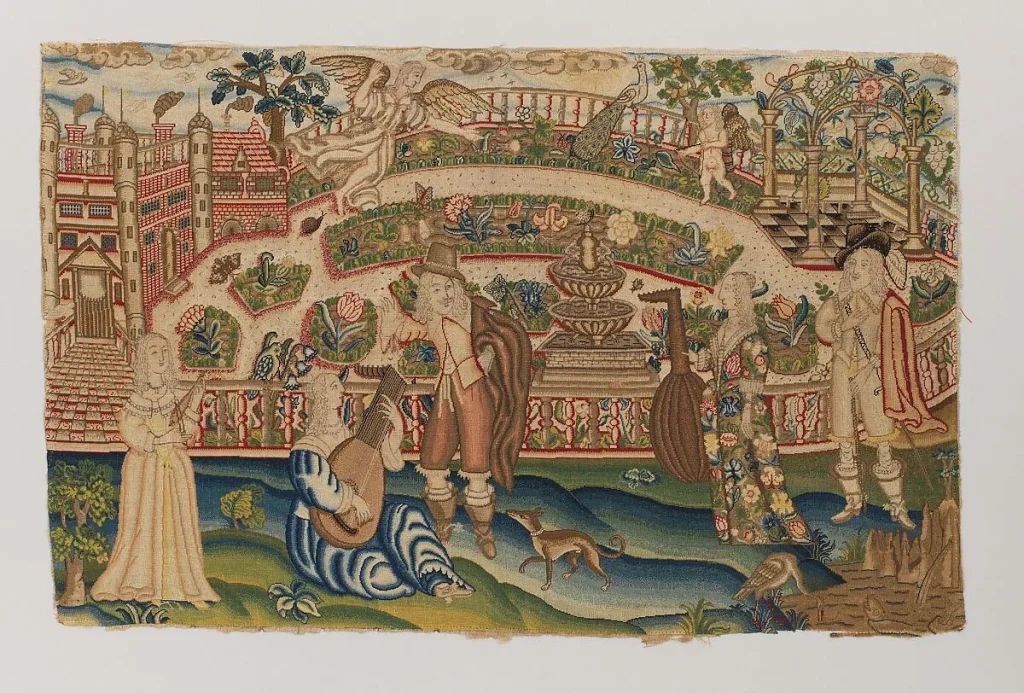
History of embroidered textiles reveals a tapestry of human creativity, cultural exchange, and meticulous handwork that traveled with merchants, pilgrims, and artisans, stitching memories into the fabric of daily life. From ancient motifs stitched by hand to today’s high-tech machine methods, embroidered textiles tell stories about identity, ritual, wealth, and the exchange of ideas across continents. This introductory survey traces how embroidery evolved from primordial forms to contemporary expressions, highlighting the key techniques, regional flavors, and turning points that shaped the broader history of embroidery. Across cultures, materials such as linen, silk, cotton, and metallic threads carried symbolic meanings as much as decorative purposes, embedding religious beliefs, social status, and local identity into durable textiles, and cultural narratives attached to dress and ceremony throughout. By tracing these threads through time, we can appreciate how enduring motifs persist while new aesthetics, technologies, and global connections push craft traditions toward innovative futures.
Beyond the timeline, this topic can be framed as a long-standing needlework heritage that spans continents, weaving fabric decoration into social rituals, economic practice, and everyday life. Researchers and designers often refer to stitched textiles, threadwork traditions, and fabric ornament as living vocabularies, where techniques travel, adapt, and fuse with new materials and technologies. Intercultural exchange in textile arts shows how craft knowledge migrates along trade routes, translating into regional embroidery styles, decorative stitches, and signature motifs that remain legible across eras. Contemporary practice blends heritage with innovation—digital embroidery files, laser-cut appliqué, and hybrid methods coexisting with hand-guided stitches—demonstrating how old skills adapt to current aesthetics.
History of embroidered textiles: Tracing a Global Legacy
From the earliest civilizations, people stitched to decorate clothing, banners, and ceremonial textiles. The history of embroidery unfolds as a tapestry of identity, ritual, and exchange, linking distant cultures through shared techniques and motifs. Across continents, linen, silk, cotton, and later metallic threads shaped patterns that spoke to religious beliefs, status, and daily life. Embroidered textiles traveled with traders, travelers, and armies, becoming portable archives of culture.
As communities refined stitches—running, backstitch, satin, and chain—layers of thread created textured surfaces that endured for generations. The story of embroidery moves from practical decoration to symbolic artistry, shaping regional embroidery patterns that endure in modern craft and design. This long arc, traced in museums and ateliers, helps explain why traditional patterns remain vibrant even as modern embroidery trends reshape contemporary aesthetics.
Ancient Roots and Techniques: Exploring Ancient Embroidery Techniques Across Cultures
Ancient embroidery techniques emerged in multiple centers independently, turning simple stitches into meaningful textiles for clothing, ritual, and display. Whether on linen, silk, or early cotton, techniques such as couching with gold thread and running stitches created dimensional surfaces that conveyed status and myth. The accessibility of materials meant that many cultures developed parallel vocabularies of line, texture, and motif that still influence design today.
Over time, cultures shared technique through trade and migration, enriching each region with new textures. The vocabulary of stitches—satin, filled satin, French knots, and counted-thread work—became the foundation for ceremonial fabrics and everyday adornment. In this evolution, the language of embroidery becomes a bridge between art and craft, a hallmark of ancient embroidery techniques that echo through modern practice.
Medieval to Early Modern Expansion and Exchange: Motifs Across Continents
As trade networks expanded, embroidery motifs traveled far beyond their origins, creating a dialogue among Byzantine, Persian, Indian, Ottoman, and Chinese centers. This cross-cultural exchange enriched the history of embroidered textiles, weaving together heraldry, sacred imagery, and floral patterns into luxurious textiles for court and church. Workshops specialized in translating complex designs into stitches, pushing the technical limits of the craft.
European courts leaned into sumptuary laws that defined who could wear which patterns, prompting a flourishing of silk, gold, and embroidery on robes and banners. Meanwhile, regional traditions carried on, preserving traditional embroidery patterns that signaled lineage and belief. The techniques—couching with metallic threads, decorative knots, and long-and-short fill—became a shared toolkit that traveled with merchants along caravan routes.
Industrialization and the Rise of Machine Embroidery: A Turning Point in Production
The Industrial Revolution reframed embroidery as an industry, enabling durable patterns to be produced at scale and sold to broader audiences. Machine embroidery emerged as a powerful complement to handwork, giving designers speed, repeatability, and access to intricate motifs. As sewing and specialized embroidery machines matured, textile producers could democratize decorative stitching for fashion, home textiles, and advertising.
Even as machines multiplied patterns, artisans retained a vital hand touch, inspiring hybrid approaches that combined machine foundations with hand finishing and embellishment. This period marks a pivotal shift in the embroidery timeline, where technique, speed, and economy could coexist with personal expression. The result is a spectrum that shapes modern embroidery trends while honoring the legacy of ancient and traditional motifs.
Modern Innovations: 20th Century to Today—Where Art, Fashion, and Tradition Converge
The 20th century sparked renewed interest in heritage as artists and designers revived traditional embroidery patterns within contemporary work. Museums elevated stitched textiles to art objects, encouraging experimentation with color, materials, and scale. From couture gowns to quilts and installation pieces, embroidery became a medium for concept, texture, and storytelling.
In recent decades, digital tools and new fibers expanded the vocabulary of embroidery. Software to digitize patterns, high-precision machines, and even 3D embroidery open possibilities for large-scale textiles and wearable tech, all while keeping a connection to the long history of embroidery. This era is characterized by a balance between honoring traditional embroidery patterns and exploring new media, making modern embroidery trends a dynamic field.
Techniques, Materials, and Regional Styles: A Global Map of Embroidered Textiles
Regional traditions offer a visual map of cultural identity through stitches and motifs. Kantha from Bengal layers simple running stitches into complex narratives about repair, memory, and daily life. Sashiko from Japan uses geometric patterns with quiet precision, while Suzani from Central Asia showcases lush floral motifs in bold colors. Each tradition demonstrates how materials, threads, and surfaces shape meaning in embroidery.
The materials journey—from linen and silk to cotton and metallics—drives the mood and function of a piece, whether ceremonial, utilitarian, or decorative. By studying these practices, we trace the embroidery history and understand how regional styles persist while integrating global influences. Today, designers reinterpret traditional embroidery patterns with new palettes and digital workflows, continuing the conversation between past and present. This exploration links the history of embroidery to today’s design challenges.
Frequently Asked Questions
What is the History of embroidered textiles and how did ancient embroidery techniques shape its origins?
The History of embroidered textiles begins in several ancient civilizations where needlework decorated clothing and ceremonial fabrics. Early embroidery techniques such as running stitch, satin stitch, couching with gold threads, and counted-thread work created durable, expressive motifs that traveled with traders and artisans, helping establish regional styles that endure today.
How did medieval to early modern exchange shape the embroidered textiles history?
Cross-cultural exchange among Byzantine, Persian, Indian, Ottoman, and Chinese centers enriched the embroidered textiles history by spreading motifs and techniques along trade routes. This era saw specialized workshops, the rise of courtly luxury embroidery in silk and gold, and adaptations of patterns to local materials and social codes.
What impact did industrialization and machine embroidery have on the history of embroidered textiles?
Industrialization introduced machine embroidery, enabling faster production and wider access to intricate patterns. Hand embroidery persisted alongside machines, and designers developed hybrid techniques that blend machine precision with manual finishing, keeping traditional skills relevant within a modern, mass-produced context.
In what ways did 20th-century innovations and modern embroidery trends reshape traditional embroidery patterns within the embroidered textiles history?
The 20th century revived traditional embroidery patterns while embracing experimentation with new textures and materials. Modern embroidery trends—bold color palettes, mixed media, and art‑world contexts—helped elevate embroidery to contemporary fashion and art, prompting reinterpretations of classic motifs while preserving their cultural heritage.
What core techniques and materials define the history of embroidery across regions, and how did ancient embroidery techniques influence regional patterns?
Across regions, core stitches such as backstitch, satin stitch, chain stitch, couching, and appliqué built the vocabulary of embroidery, while fabrics like linen, silk, and cotton—often with metallic threads—shaped texture and symbolism. Ancient embroidery techniques informed regional patterns, giving rise to distinctive traditions such as Kantha, Sashiko, and Suzani.
How do modern embroidery trends influence the preservation and reinterpretation of traditional embroidery patterns in the history of embroidered textiles?
Modern embroidery trends combine digital design, advanced machines, and sustainable materials to create new expressions while honoring traditional embroidery patterns. Digitized archives, cross-cultural collaborations, and careful reinterpretation allow traditional motifs to stay relevant in contemporary fashion and art, ensuring their place in the ongoing history of embroidered textiles.
| Era / Section | Key Points | Representative Techniques / Materials |
|---|---|---|
| Introduction | The History of embroidered textiles is a tapestry of human creativity, cultural exchange, and meticulous handwork; spanning ancient motifs to modern machine methods; explores identity, ritual, wealth, and daily life; demonstrates how patterns persist amid changing trends. | General sense of handwork, evolution from primordial forms to contemporary expressions; materials include linen, silk, cotton, metallic threads. |
| Ancient Roots and Early Techniques | Origins across multiple ancient civilizations; embroidery as aesthetic and symbolic practice; practical skills evolved into sophisticated art forms. | Stitches: counted thread work, couching gold, satin stitch, running stitch; materials: linen, silk, cotton, metallic threads. |
| Medieval to Early Modern Expansion and Exchange | Cross-cultural exchange (Byzantine, Persian, Indian, Ottoman, Chinese); rise of workshops; European courts’ wealth display; sumptuary laws shaping wear. | Techniques: couching with metallic threads, French knots, long-and-short filling stitches; fabrics: silk, velvet, fine linens; motifs: heraldic, religious, regal. |
| Industrialization and the Rise of Machine Embroidery | Industrial Revolution enabled mass production and standardized patterns; machine embroidery coexists with handwork; hybrid techniques emerge. | Machine embroidery, sewing machines, digital designs; materials compatible with machines; appliqué as hybrid technique. |
| 20th Century Innovations and Artistic Movements | Revival of traditional motifs; embroidery used in art, fashion, and interiors; museums elevated embroidery as a serious art form; diverse interpretations emerge. | Experimental materials and techniques; quilts, banners, couture; preservation of patterns with new color palettes and concepts. |
| Techniques, Motifs, and Material Realities | Core techniques and materials define the field; regional patterns map cultural identity. | Stitches: backstitch, running, satin, chain, couching; cross-stitch, appliqué, needle-painting, Goldwork; fabrics: linen, silk, cotton; metallic threads; regional motifs: Kantha, Chikankari, Sashiko, Suzani. |
| Modern Embroidery Trends and the Future | Heritage and innovation merge; digital tools, software, and 3D embroidery expand possibilities; emphasis on sustainability and global collaboration. | Digitizing software, embroidery machines, digital embroidery files, laser-cut appliqués; sustainable fibers and materials. |
| Practical guidance for appreciation and practice | Accessible steps to engage with embroidery: learn core stitches, study regional patterns, and experiment with new materials and media. | Core stitches (satin stitch, backstitch), regional motifs, modern materials (wool blends, metallics, sustainable fibers). |
Summary
History of embroidered textiles is a vast tapestry of technique, material culture, and human expression. From ancient hand stitches to contemporary digital embroidery, this field reveals how identity, ritual, and daily life are woven into fabrics across continents and centuries. By tracing the arc of embroidered textiles, we can appreciate how traditional patterns endure while modern methods push design into new directions, connecting makers across time and space. Whether preserving an heirloom by hand or creating a digital embroidery file for a contemporary collection, practitioners participate in a living continuum of creativity that links past craftsmen with future makers.