
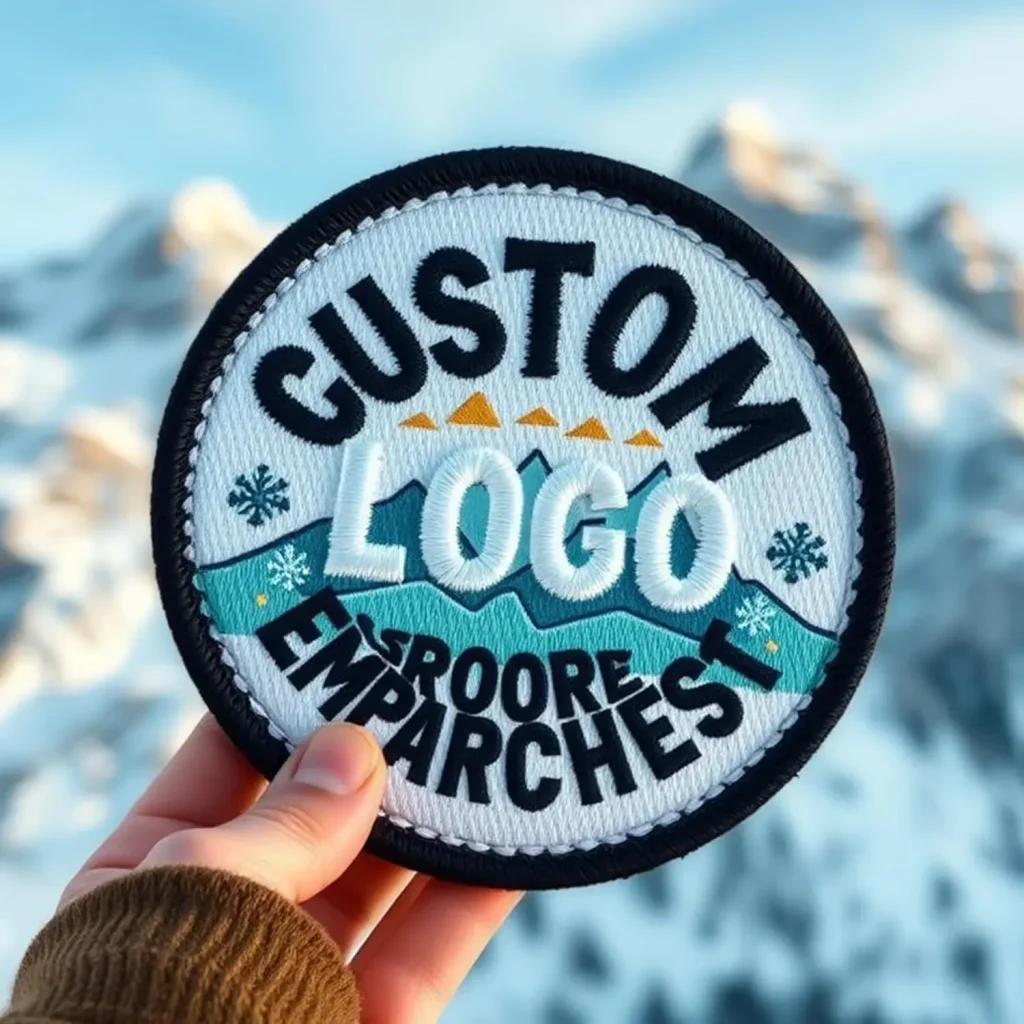
Custom embroidered patches are versatile branding tools that help teams, brands, and individuals tell their stories with color and texture. From stadium uniforms to product launches, these patches—from embroidered patches to distinctive emblems—serve as portable ambassadors. A successful patch starts with a clear custom patch design, ensuring that custom embroidered patches translate the idea into artwork that machine embroidery patches can reproduce faithfully. Understanding the patch manufacturing process, materials, and backing options helps control cost, lead time, and durability. Whether you need small runs or large campaigns, patch customization services can tailor backing, shape, and finishes to fit your budget.
In plain terms, these textile emblems are portable identifiers that carry a brand story across uniforms, bags, and event gear. Think of embroidered emblems, fabric badges, or sew-on insignias as flexible branding assets that can be swapped or updated. The journey from idea to finished badge involves concept refinement, digitizing the artwork into stitch data, choosing colors, and selecting the right fabric and backing. This workflow mirrors the patch production process, emphasizing proper border finishes, stabilizers, and post-stitch trimming to preserve durability. Partner with a provider offering patch customization services to streamline lead times, ensure color fidelity across embroidery patches, and secure consistent results.
Custom Embroidered Patches: Concept to Creation
Custom embroidered patches are more than decorative accents; they are portable branding tools, badges of identity, and tiny canvases for stories. They act as ambassadors for teams, brands, and organizations, carrying color, texture, and meaning from fabric to wearer. A solid concept sets the stage for a successful patch project and guides every decision around the audience, placement, size, shape, color palette, and backing options. In the realm of patch customization services, this early clarity informs the custom patch design and keeps production on track.
From the outset, a clear design brief is essential. It should describe the patch size and shape, the logo or artwork to be reproduced, color constraints (Pantone references), backing preference (iron-on, sew-on, or Velcro), quantity, and deadline. With a solid brief, designers can translate ideas into artwork suitable for embroidery and move smoothly into the patch manufacturing process, reducing revisions, lead times, and surprise costs.
Design and Digitizing: Turning Artwork into Stitch Data
Digitizing is the invisible backbone of machine embroidery patches. A skilled digitizer converts vector or raster art into stitch instructions that embroidery machines read, preserving the artwork’s character while optimizing for fabric, thread, and wear. This is the stage where custom patch design becomes a stitch-ready file for embroidery in the world of machine embroidery patches.
Key decisions include stitch types and directions (satin, fill, run), stitch count and density, outline and contour, underlay, and stabilization. A well-digitized file balances crisp edges with smooth fills, ensuring legibility of small text and fine lines once the patch enters the manufacturing process.
Materials and Backing: Base Fabrics and Support Options
The base fabric determines texture, drape, and durability. Twill, felt, and canvas are common bases, each with different handling characteristics and backing compatibility. The right base supports embroidery without undue stretching or fraying and should complement the intended use of the patch.
Backing options add versatility: sew-on for universal use, iron-on for quick applications, and Velcro for removable patches on uniforms, caps, and bags. Thread selection also matters—polyester for colorfast durability, rayon for a softer hand—and will influence the final look and wash performance of embroidered patches.
Color Strategy and Brand Fidelity for Embroidered Patches
Color management is critical for faithful reproduction of a brand or artwork. Digitizers often work with Pantone Matching System (PMS) references to guide thread color choices, and many shops request a color sew-out or thread ladder before full production to ensure fidelity across embroidered patches.
Practical tips include limiting the color palette to control stitch count and cost, using contrast and outlining to preserve legibility at distance, and selecting colorfast threads to withstand wear and washing in durable patches.
The Patch Manufacturing Process: From Stitches to Finishing
With artwork digitized and materials chosen, the patch manufacturing process generally follows a sequence: material preparation, digitized stitching, edging and border, backing application, trimming and finishing, and final quality control. Each step affects edge integrity, color accuracy, and overall durability of the patch.
During production, technicians monitor stitch density and tension to prevent fabric puckering and ensure consistency across batches. For designs with tiny details, adjustments to stitch types or edge thickness may be necessary to preserve readability after trimming and finishing.
Finishing Touches, Packaging, and Patch Customization Services
Final finishing touches elevate patches: merrowed or satin edges, secure backing (iron-on, sew-on, or Velcro), and thoughtful packaging with care instructions and branding. These details influence wear, washing, and perceived quality across embroidered patches.
To minimize surprises, request a pre-production sample and a precise quote based on stitch count and backing, and discuss patch customization services to tailor patches for every application. A well-planned finish ensures your patches look, wear, and perform exactly as envisioned.
Frequently Asked Questions
How do I start a project for custom embroidered patches?
Begin with a clear design brief for your custom embroidered patches. Define purpose, audience, size, shape, colors, backing, and quantity. Then prepare the logo or artwork for the custom patch design and review options with a patch customization services provider if desired.
What are the main steps in the patch manufacturing process for machine embroidery patches?
The patch manufacturing process for machine embroidery patches typically includes: material selection and base fabrication; digitizing artwork into stitch data; machine embroidery stitching; edging with merrowed or satin borders; backing attachment (sew-on, iron-on, or Velcro); trimming, finishing, and final quality control.
Which materials and backing options should I consider for embroidered patches?
Choose a base fabric such as twill, felt, or canvas to suit wear and backing compatibility. Backing options include sew-on, iron-on, and Velcro. Consider thread types (polyester for colorfastness or rayon for a softer hand) and how the patch will be used.
How can I ensure color accuracy in custom embroidered patches?
Coordinate with PMS references to guide thread colors, and request a color sew-out or thread ladder before full production. Limit the color palette to control stitch count and cost, and use outlining to preserve legibility.
What backing is best for embroidered patches, and how does it affect wear and application?
Sew-on backing is universal and durable; iron-on backing offers quick application but may require heat setting; Velcro backing provides removable customization. Choose based on placement, laundering, and wearer needs.
What factors influence lead times for custom embroidered patches?
Lead times depend on design approval speed, patch design complexity (digitizing), number of colors, backing type, whether a pre-production sample is required, and order quantity. Providing final artwork and clear specs up front helps streamline the patch manufacturing process.
| Aspect | Key Points |
|---|---|
| Concept & Design Brief | Define purpose, audience, placement, size/shape, color palette, and backing. Prepare a design brief with patch size/shape, artwork/logo details, color constraints (PMS), backing, quantity, timeline, and budget. Expect multiple revisions to keep the design legible at embroidery scale. |
| Design & Digitizing | Digitizing converts vector/raster artwork into stitch data. Balance crisp edges with fills; choose stitch types (satin, fill, run), manage stitch count and density, outline/contour, and underlay for stability. Ensure legibility of small text and optimize for scale. |
| Materials & Backing | Base fabrics include twill, felt, and canvas. Backing options: sew-on, iron-on, Velcro. Thread choices: polyester for colorfastness; rayon for softness. Consider UV-resistant threads for durability. |
| Color Management | Aim for faithful color reproduction using PMS references. Request a color sew-out or thread ladder. Limit palette, use contrast, and ensure color fastness for durable patches. |
| Patch Manufacturing Process | Steps: material prep; digitized stitching; edging/border (merrowed or satin); backing application; trimming/finishing; quality control. Monitor stitch density and tension to prevent puckering and ensure consistency. |
| Finishing Touches | Edge finishing (merrow/satin borders); backing application; packaging considerations (poly bags, care labels, branding) to influence perceived quality and wearability. |
| Quality Control & Best Practices | Inline and post-production checks for edge integrity, color consistency, thread integrity, and backing adhesion. Use pre-production samples or test patches to verify color, size, and backing performance. |
| Pricing & Lead Times | Pricing factors include patch size, stitch count, color changes, backing type, edging, and quantity. Digitizing/setup fees apply. Lead times vary with complexity; batching and precise specs up front help shorten timelines. |
| Applications & Use Cases | Team/club patches, corporate branding, event commemoratives, fashion/hobby patches, and collectible editions. Align design with intended use to optimize durability, readability, and backing choice. |
Summary
Table summarizes the lifecycle of creating custom embroidered patches, from concept and design brief through digitizing, materials/backing, color management, manufacturing, finishing, quality control, pricing, lead times, and applications.