
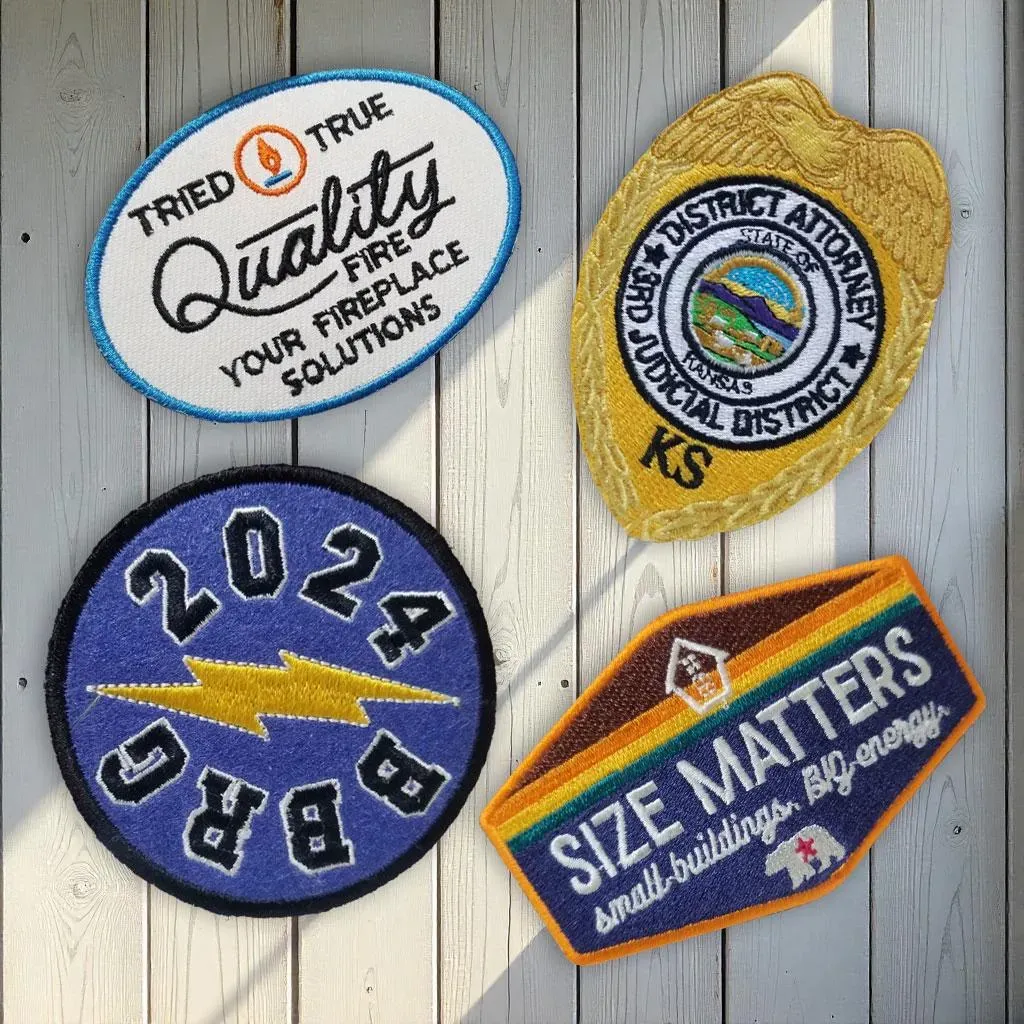
If you want to elevate your brand with tangible, durable branding items, custom embroidered patches offer a versatile solution that aligns with designing custom embroidered patches and brand storytelling. They are portable, collectible, and highly visible, making it easy to translate your identity into hat patches, apparel patches, or accessory patches, reinforcing branding with embroidered patches across products. In this guide, we’ll explore the design principles, production steps, material choices, finishing options, and proven selling strategies tied to the custom patch production process. We’ll cover material options and finishing details while sharing practical tips on how to sell embroidered patches. By the end, you’ll understand how to turn a simple logo into a thriving patch program using custom embroidered patches that reinforce your brand across products and communities.
From a terminology standpoint, think of embroidered emblems and textile badges that carry your message beyond the page and into garments. These logo patches act as portable branding assets, often produced through a structured patch production workflow that maps artwork to stitch files and backing choices. Other terms you may encounter include branded insignias, sew-on emblems, and fabric patches, all sharing the same goal of extending brand visibility. Understanding material options such as twill, felt, and chenille, along with finishing methods like merrow edges or laser-cut borders, helps you plan a cohesive patch program. Using related concepts and language grounded in design, production, and marketing makes it easier to communicate, design, and sell patches across product lines.
Designing with custom embroidered patches: align your logo and brand story
When it comes to designing custom embroidered patches, you start with your brand story and logo. A strong patch design communicates identity at a glance, so begin by converting your logo into scalable vector art and selecting a patch shape that mirrors your brand personality. In practice, the process centers on essential steps: vector art and digitizing translate your colors into threads and determine stitch types and densities, ensuring clarity at small sizes.
Keep the color palette tight—3 to 7 colors—to balance readability with production cost. Plan patch sizes from 1 to 4 inches depending on placement, and choose a shape (circle, shield, badge, or irregular die cut) that reinforces your identity. Also decide on backing early, whether sew-on, iron-on, or heat seal, and whether you want a merrow edge or a laser-cut border to finish the look.
Materials and finishes: choosing embroidery patch materials for durability and feel
Choosing embroidery patch materials is a core design decision. Embroidery patch materials like twill, felt, and chenille affect texture, stitch compatibility, durability, and how the patch wears on hats, jackets, or bags. Understanding embroidery patch materials helps balance aesthetics with cost and performance, and informs backing and finishing options.
Backing compatibility with your chosen materials matters too. For example, twill-backed patches work well with satin fills, while chenille requires different stabilization. Consider your product line—whether you need a sew-on or iron-on option—and the overall feel you want customers to experience when touching the patch.
The custom patch production process: from artwork to finished patches
The custom patch production process begins with artwork validation and digitizing. Your artwork is checked for clarity and converted into stitch files, ensuring correct color order, underlay stitches, and early detection of potential issues. This stage translates your logo into stitch data and sets the foundation for the entire production.
From there, we move to stitch types and density, material cutting and backing preparation, and color matching with quality control. Finishing and edging options—merrow edges for durability or laser-cut borders for a modern look—do require calibration to prevent unraveling. A final audit ensures color accuracy and fabric stability before production scales up.
Branding with embroidered patches: building visibility across products
In branding with embroidered patches, patches extend brand visibility beyond clothing. Transform a logo into a collectible item, ambassador gift, or rewards piece that travels with customers. Consider where people will wear patches—hats, jackets, backpacks—and design for legibility at a glance and wear resistance.
Create limited-edition releases and patch bundles that pair patches with branded pins, stickers, or enamel pins to encourage cross-sell. Use patches as part of a loyalty program or event giveaway to reinforce your identity across communities.
Backings and finishing: selecting the right backing and edge for longevity
Backings and finishing choices are critical to how a patch is applied and how long it lasts. Sew-on backings offer durability for everyday wear, while iron-on backings provide quick demos and events. Velcro backings enable easy swapping on items that change branding, such as uniforms or bags.
Finish options like merrow edges deliver a clean, durable border, while laser-cut borders offer a contemporary aesthetic. A clear heat seal can help protect colors, and a fabric backing adds stiffness for a crisper look. Align backing and finishing with your product line and customer expectations.
How to sell embroidered patches: channels, pricing, and promotions
When customers ask how to sell embroidered patches, start with clear product pages on your e-commerce storefront and include sizes, materials, backing, and care instructions. How to sell embroidered patches also means exploring marketplaces and wholesale, where distributors or retailers can scale reach; prepare a one-page spec sheet with patch type, backing, MOQs, and unit price.
Pricing, lead times, MOQs, and sample runs shape demand. Expect 1 to 3 weeks for typical orders, longer for large runs or custom die creation. Transparent proofs, color matching, and ship dates reduce friction and help customers commit, while packaging and presentation—dust-free, branded packaging, care instructions, and small samples—enhance perceived value and encourage repeat orders.
Frequently Asked Questions
How do I begin designing custom embroidered patches for my brand?
Start with your brand story and logo, then convert the logo into a scalable vector file. In designing custom embroidered patches, choose a patch shape that reflects your brand personality and plan a color palette of 3–7 thread colors. Ensure legibility by keeping sizes around 1–4 inches and testing small-scale applications. Decide on backing and edging early, such as sew-on vs iron-on and merrow edge vs laser border to guide production.
What is the typical custom patch production process for quality embroidery patches?
First validate the artwork and digitize it into stitch files with correct color order and underlay. Then choose stitch types such as satin for outlines and fill for larger areas, and set a density that balances visibility and durability. Cut the material to the exact shape, apply backing, and perform color matching before finishing. A final quality check ensures consistency across batches.
How can branding with embroidered patches boost brand recognition across products?
Branding with embroidered patches extends visibility beyond garments by turning logos into collectible items and ambassador gifts. Use patches on hats, jackets, backpacks, and bags to reinforce your identity across lines. Consider limited editions and patch bundles to drive excitement and cross-sell with pins, stickers, or enamel pins.
What embroidery patch materials should I consider for durability and cost when choosing custom patches?
Embroidery patch materials like twill, felt, and chenille each affect texture, durability, and price. Consider thread compatibility, backing options, and washability when selecting materials. The choice should balance design detail, wear performance, and budget.
What are effective channels and tips for how to sell embroidered patches?
Sell patches through ecommerce storefronts with clear product pages that show sizes, materials, backing, and care instructions. Expand to marketplaces and wholesale with a one page spec sheet listing patch type, backing, minimums, and unit price. Use promotional events and branded packaging to increase perceived value and drive repeat orders.
Which backing and finishes should be considered in the custom patch production process for durable embroidered patches?
Backings include sew-on, iron-on, Velcro, and heat seal, with corresponding finishes like merrow edges or laser-cut borders. A clear heat seal can protect colors, while a fabric backing can add stiffness for a crisp look. Align backing and finishing choices with your product line and customer expectations in the custom patch production process.
| Topic | Key Points | Notes / Practical Tips |
|---|---|---|
| Introduction |
|
Plan from design through production to sales, with an emphasis on testing samples early. |
| Design foundations |
|
Prioritize legibility; test at small sizes and keep colors limited for readability and cost control. |
| Size, shape, and material |
|
Match backing to the item and planned wear; test for durability. |
| Production process |
|
Request proofs, verify stitch density, and test with a sample before full run. |
| Finishing options and backing |
|
Ensure backing choice supports product performance and customer use cases. |
| Branding with patches |
|
Align with branding campaigns and customer touchpoints. |
| Pricing, lead times, and minimum orders |
|
Negotiate clear timelines and proofs upfront to avoid delays. |
| How to sell embroidered patches |
|
Invest in photography, packaging, and clear care guidance. |
| Common mistakes and how to avoid them |
|
Start with simple tests and verify feasibility before scaling. |
| Conclusion |
|
Use this table as a quick reference when developing or evaluating a patch program. |
Summary
custom embroidered patches offer a durable, scalable way to extend your brand across products and communities. They serve as tangible touchpoints that boost visibility, foster loyalty, and unlock cross-sell opportunities across hats, jackets, backpacks, and accessories. A well-designed patch program starts with a clear brief, a strong logo converted to vector, appropriate backing and finishing, and a practical production plan. By aligning design, materials, and channels—plus testing proofing steps—you can build a patch program that reinforces your brand identity and drives growth.